Septic design is never just about the tank. In practice, the land itself determines whether a system will work, what type of system is possible, how much treatment is needed, and how difficult permitting will be.
That is why septic system installation projects succeed or fail based on site conditions long before equipment is ordered or excavation begins.
For property owners and builders, this matters because septic systems are not interchangeable. A lot with deep, well-draining soil can support a very different solution from a mountain parcel with shallow bedrock, a high water table, or slow-percolating clay.
Anderson Psomas approaches these projects with that reality front and center: the site is not a detail to review later, but the starting point for engineering, compliance, and long-term performance.
Why the Land Dictates the System, Not the Other Way Around
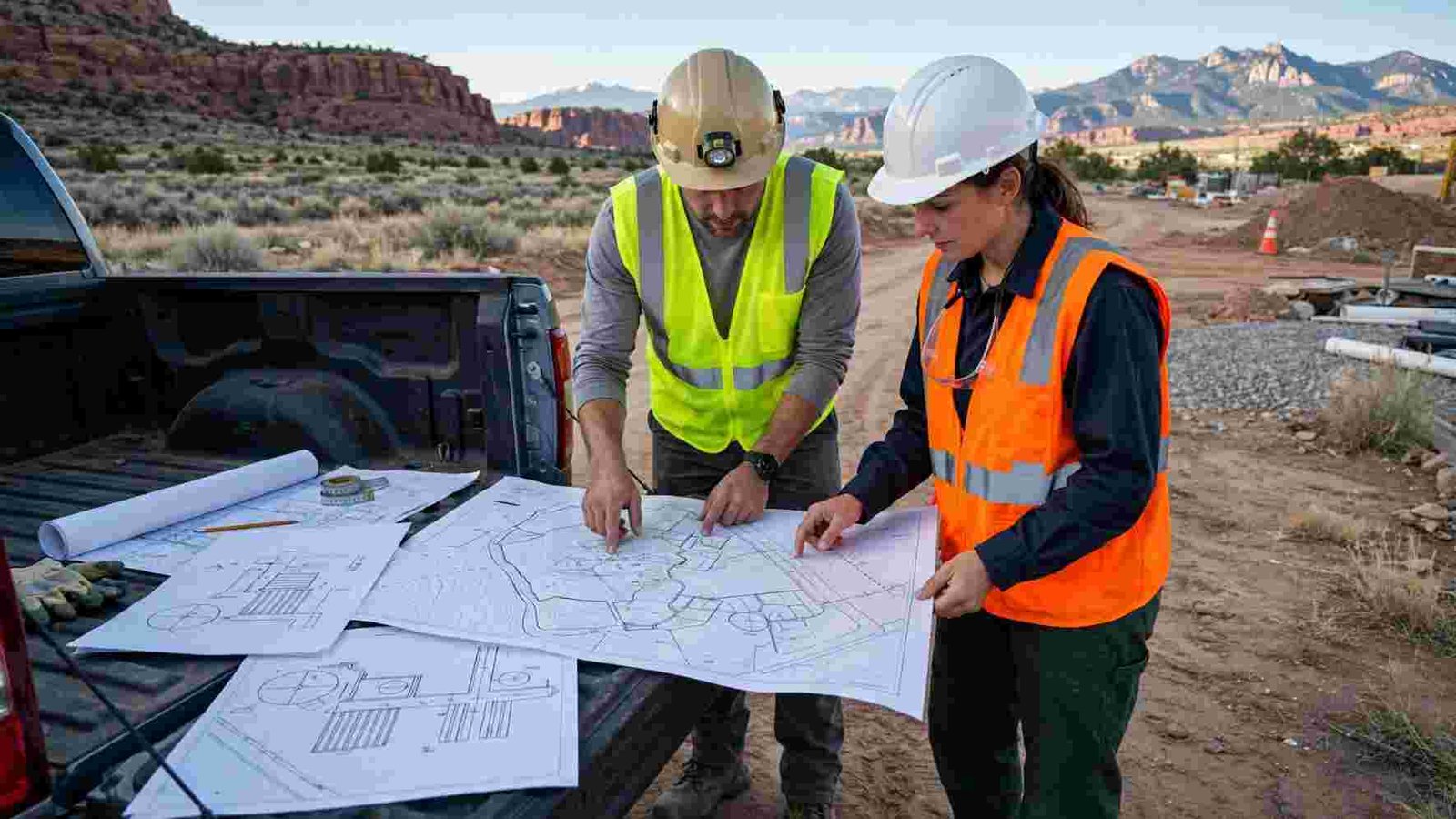
A septic system is designed to treat and disperse wastewater safely into the soil. That means the soil, slope, groundwater depth, and available lot area all become part of the operating environment. If those conditions are favorable, a conventional system may be appropriate. If they are not, forcing a standard layout onto the site can create performance problems, permit delays, or outright failure.
This is where many projects get expensive. Property owners often begin with the assumption that the system type is a choice. In reality, the site usually narrows the choice quickly. Anderson Psomas evaluates those constraints early so clients do not spend money designing around a system that the property cannot support.
The most important site variables usually include:
- Soil absorption rate
- Water table depth
- Available reserve area
- Slope and grading
- Bedrock depth
- Lot size and shape
- Seasonal groundwater fluctuation
- Access for installation and maintenance
Each of these affects how wastewater moves after it leaves the tank. If effluent cannot disperse properly, the drain field is overloaded. If groundwater is too close to the dispersal area, treatment can be compromised. If the site is too small, a conventional drain field may simply not fit.
Soil, Water, and Topography Control Septic Performance
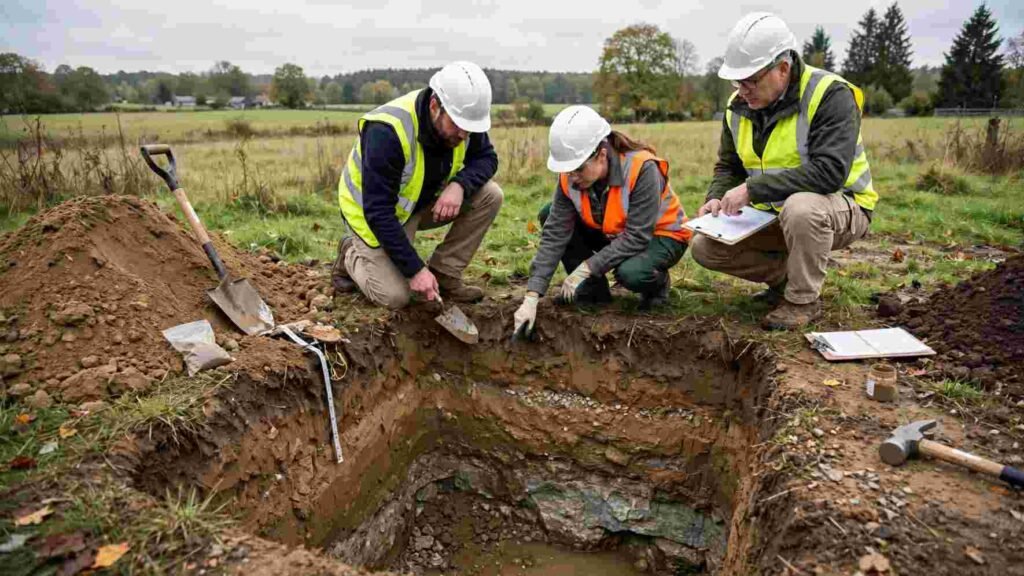
A septic system is only as good as the conditions around it. The tank separates solids from liquids, but the soil-based disposal area does the real treatment work. That is why percolation testing and soil analysis are more than permit requirements; they are the foundation of the design itself.
Here’s how slow soil absorption can change everything:
Clay-rich or compacted soils can slow absorption dramatically. When that happens, wastewater may remain in the dispersal area too long, creating backups or surface issues. On sites like these, Anderson Psomas may need to explore alternative septic system options such as sand filters, mound systems, drip dispersal, or aerobic treatment units.
The goal is not to “make” the soil behave differently. The goal is to match the treatment method to the site’s actual absorption capacity.
Understanding how water moves through a property is also important for outdoor systems, including garden irrigation systems.
If groundwater sits too close to the dispersal area, the system has less room to treat effluent before it reaches saturated soil.
That raises the risk of contamination and can make traditional systems unworkable. In those cases, a more specialized design may be required to keep the system within code and protect the environment.
This is one reason Anderson Psomas is often brought in for difficult parcels. The firm’s engineering approach is built around the site’s real limits, not optimistic assumptions.
Conventional vs Alternative Designs: The Right Match Depends on Conditions
A conventional anaerobic septic system can be cost-effective on the right property, but it is not a universal solution. Some sites are straightforward. Others are constrained by shallow soil, small building envelopes, steep grades, or groundwater concerns. Those properties often need alternative engineering from the start.
Anderson Psomas designs both conventional and alternative systems, which matters because the permit strategy should follow the site rather than force the site to follow the strategy. That distinction can save significant time and reduce redesign risk later in the process.
For constrained properties, common alternatives include:
- Mound systems for sites with shallow soil or restrictive native ground
- Sand filters where additional treatment is needed
- Drip dispersal for controlled distribution across limited space
- Aerobic units where higher treatment levels are helpful
- Evapotranspiration or constructed wetlands in appropriate applications
- Chambered systems for specific layout or dispersal needs
Aerobic systems are often a strong option when a project has tight space or groundwater limitations. They can break down waste faster than traditional anaerobic systems and may require less drain field area, which makes them useful when the site does not leave much room to work with.
The important point is not that alternative systems are inherently better. It is that they are more adaptable. On difficult parcels, adaptability is often the difference between a workable project and a dead end.
A Septic Permit Is More Than Paperwork
In Utah, septic installation is a regulated process, and the local health department must approve the design before work can move forward. That means site conditions do not just influence engineering; they influence the approval path as well. If the soil report, layout, or treatment method does not align with local requirements, the project stalls.
That is why Anderson Psomas provides both technical design and permitting support. A design that looks acceptable in concept still has to meet county-level expectations in practice.
Experienced onsite professionals know how to translate site data into a defensible submittal that supports approval.
Anderson Psomas also helps clients manage the realities that affect schedule and cost. Designing and permitting a conventional septic system in Utah typically ranges from $2,000 to $6,000, depending on soil testing, site layout, and system complexity. Challenging sites may require more analysis or a more complex design, which is exactly why early site review is so valuable.
A strong permitting package usually depends on:
- Accurate soil and percolation testing
- Correct system sizing
- Clear site mapping
- Realistic setback compliance
- Proper selection of treatment and dispersal components
- Documentation that matches local health department expectations
When those pieces are aligned, the permit process becomes much more predictable. When they are not, delays multiply quickly.
Coordinating these steps in the right order is also important for building a realistic construction timeline.
What Strong Operators Do Before They Break Ground
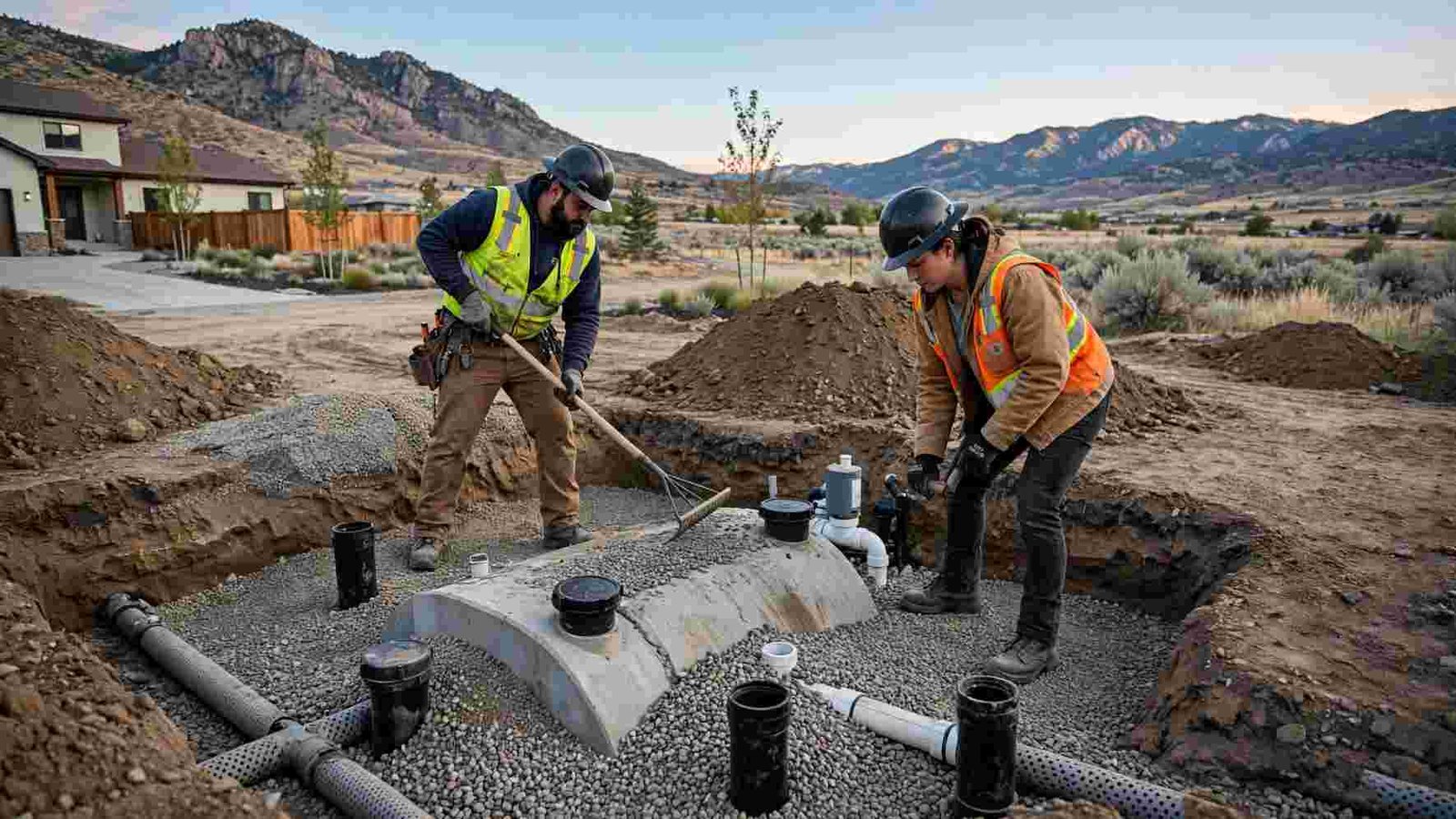
The best septic projects are decided before excavation starts. Strong operators do not wait until construction to discover that a site is too wet, too steep, or too constrained. They evaluate the property early, understand the limitations, and choose the system that best fits the land.
For residential properties, planning the surrounding outdoor space also matters, especially when considering hardscaping ideas for backyard renovations.
That is the operating model Anderson Psomas brings to septic system installation Utah projects. Instead of treating engineering as a one-size-fits-all checklist, the firm builds from the actual conditions on the ground. That approach helps property owners avoid expensive redesigns, unnecessary guesswork, and avoidable compliance problems.
A practical preconstruction workflow usually looks like this:
- Review the property layout and intended use.
- Test the soil and assess absorption.
- Measure water table and bedrock constraints where relevant.
- Compare the site to conventional and alternative system options.
- Prepare a design that fits both performance needs and permit requirements.
- Submit the package through the proper health department process.
This sequence is simple, but it is not optional. The more complex the site, the more important it becomes.
The Real Value of Good Septic Engineering Is Long-Term Reliability
A septic system should not just pass inspection. It should function reliably for years under real-world conditions. That is why site conditions matter so much. The wrong design may appear workable at first, but poor drainage, shallow groundwater, or undersized dispersal areas can lead to premature failure, maintenance headaches, and environmental risk.
The strongest designs are the ones that respect the site from the beginning. That is the value of working with a firm like Anderson Psomas: the engineering, testing, and permitting are coordinated around the actual property conditions, not around assumptions.
For homeowners, builders, and developers, that means fewer surprises and a better chance of getting a system that performs as intended.
If you want to see how that process is handled in practice, Anderson Psomas outlines its septic tank system and onsite wastewater treatment design services in Utah. The right design begins with the site, and the site always tells the truth.