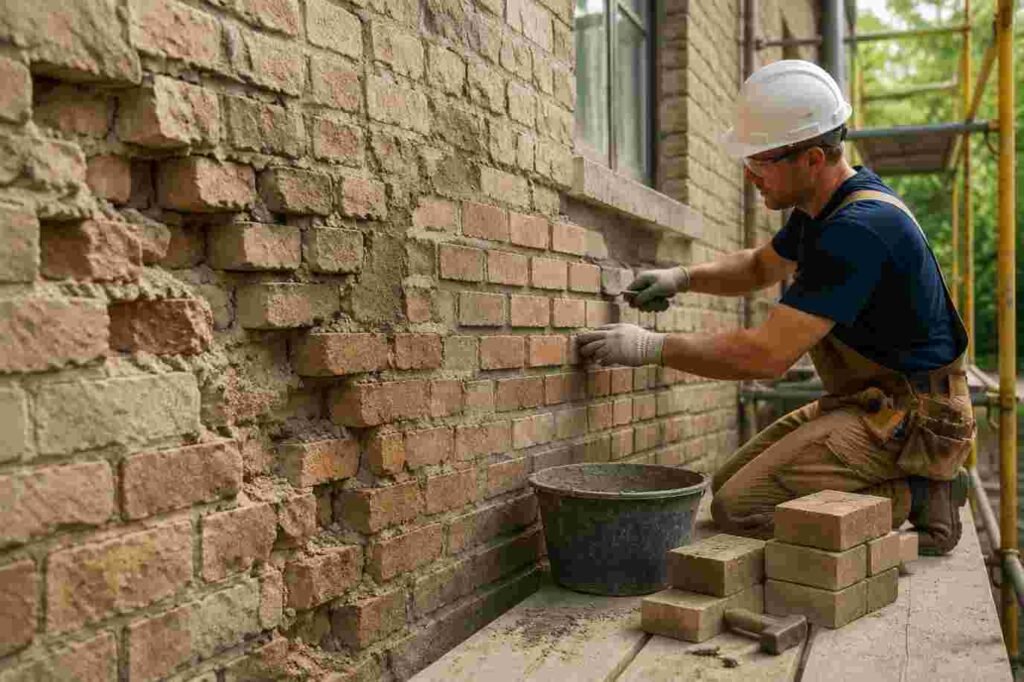

Construction site management resembles operating an enormous and powerful orchestra. The slightest imbalance in one of its instruments disrupts the whole performance. On a construction site, the out-of-sync element takes the form of safety violations or hygiene breaches.
Keeping the job site absolutely clean and safe with Supreme Site Services is not only a way to escape hefty fines from OSHA; this is, first of all, a key component of ensuring the protection of the greatest asset you have—a team. As long as the workers are healthy and their spirits are high, the project ends up being completed on schedule and without any overrun. Check out our list of the most important compliance rules to stay on top of.
1. Provide Adequate Handwashing Stations
Cleanliness always starts with having clean hands. It is mandatory that contractors provide readily available facilities for washing hands that have water, friction soap, and disposable towels. Placement of such facilities in proximity to bathrooms and dining places acts to prevent the spread of pathogens and chemicals.
2. Maintain Clean Restroom Facilities
The lack of portable toilets is a major pitfall when it comes to compliance issues, which may cause you to fail the audit. You should have a minimum number of well-ventilated and clean toilets in proportion to the number of people in your crew.
3. Establish Designated Eating Areas
Workers must never be compelled to take their food near an area where drywall is being installed or next to a chemical storage room. The creation of an independent space that is clean ensures that no one accidentally consumes any toxic dust, thereby reducing liability risks.
4. Deploy Proper Waste Management
The collected litter is not just unsightly but also poses an instant danger of someone tripping on it. Make use of properly labeled containers for general litter, recyclable litter, and dangerous litter. Hence, the removal of scrap litter from time to time guarantees clear pathways and minimizes chances of fire risks.
5. Ensure Access to Potable Water
Dehydration acts as a silent catalyst in causing fatal errors on a construction site. The contractor has a legal obligation to provide ample cool and fresh drinking water. Always ensure that the distribution method is clean and uses touch-less dispensing rather than using a common cup, which is very risky.
6. Implement Strict PPE Protocols
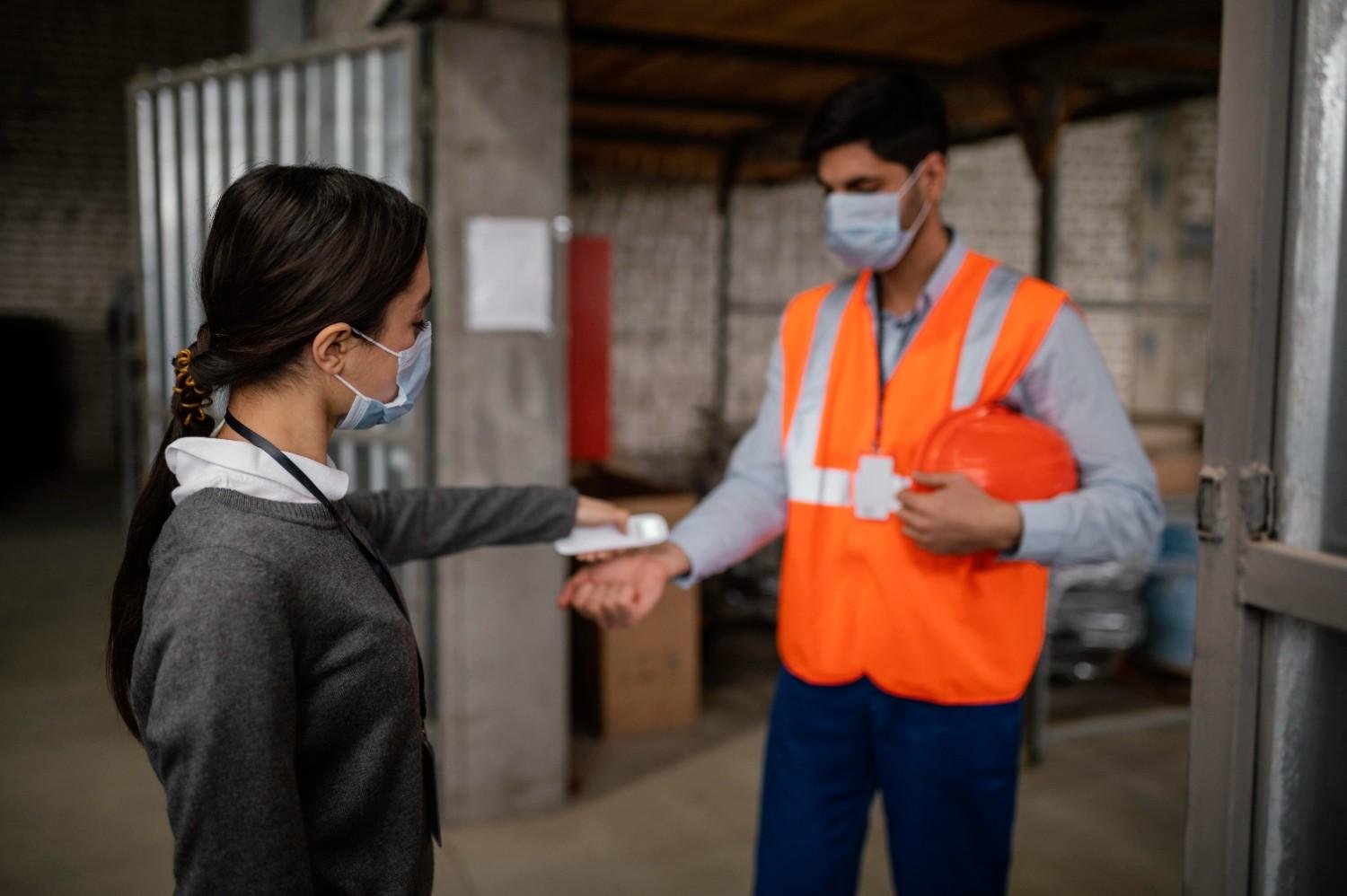
PPE can also be summed up as the topmost level of defence a person can receive against several dangers at a work site. One must equip every person at a workplace with PPE – these range from a fluorescent safety jacket to a safety helmet, goggles, as well as steel-toe safety boots. You must also check whether or not any tool is in working condition.
7. Conduct Regular Safety Briefings
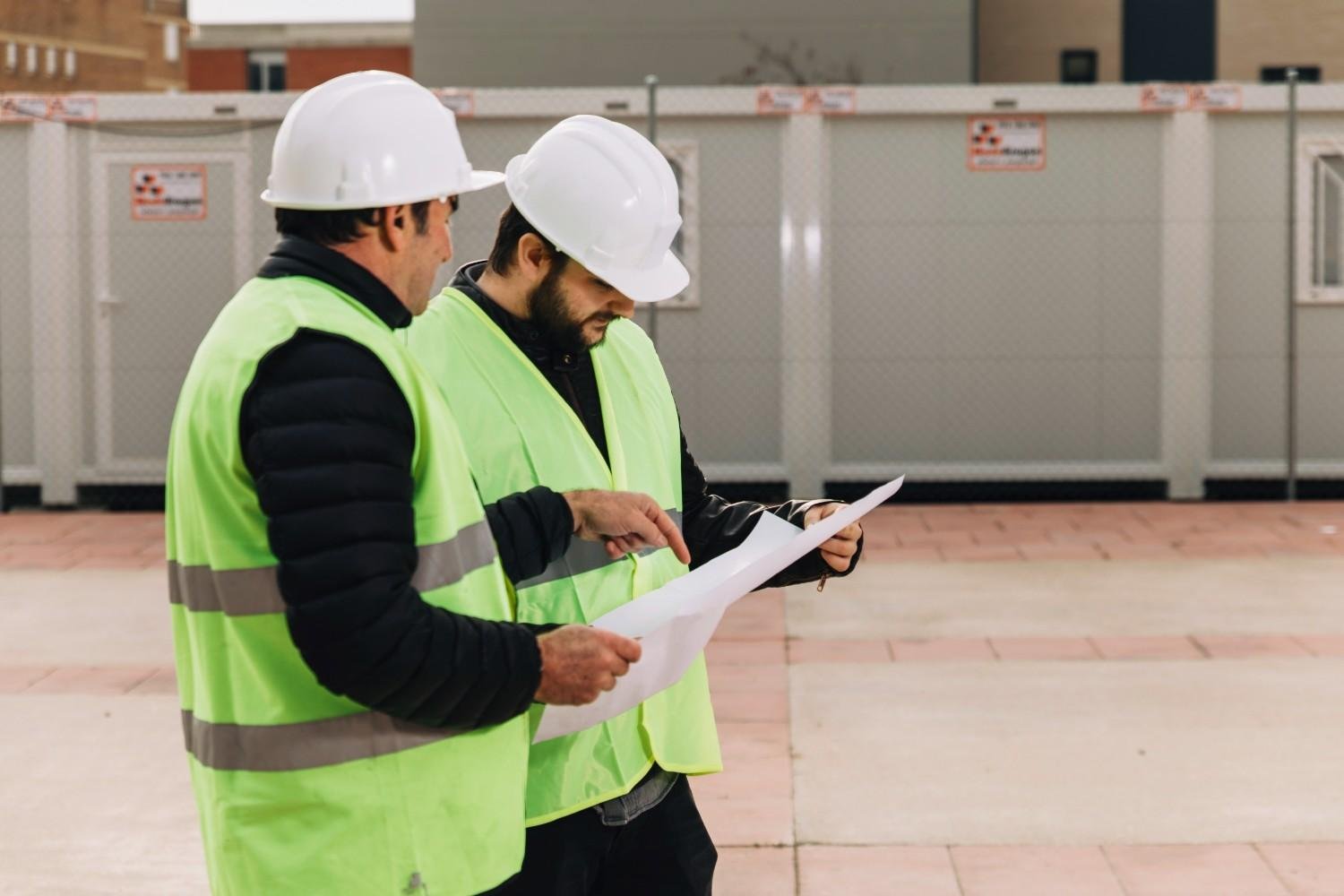
The creation of an environment where information is exchanged can bring about the best means of accident prevention on site. It is advisable to hold toolbox talks either on a daily or weekly basis and talk about risks, sanitary issues, and emergencies. Through this endless communication safety will never escape someone’s attention.
Hygiene vs. Safety: Understanding the Balance
Although they sometimes blend, hygiene and safety concerns are distinct job site hazard categories.
| Focus Area | Primary Target | Typical Compliance Requirements |
| Job Site Hygiene | Biological hazards, illness prevention, and environmental cleanliness. | Restrooms, handwashing stations, clean drinking water, and designated break areas. |
| Job Site Safety | Physical hazards, injury mitigation, and acute accidents. | Fall protection, PPE enforcement, scaffolding integrity, and heavy machinery protocols. |
The Ultimate Compliance Checklist
Before breaking ground on your next project, verify that your team can confidently check off every item below:
- [ ] Facilities: A minimum of one operational toilet per 20 workers (with separate, private facilities allocated for large, mixed-gender crews).
- [ ] Sanitation: Functional soap dispensers and running water available at all designated hygiene stations.
- [ ] Hydration: Potable water dispensers located in easily accessible areas within 2 minutes’ walking distance from work sites.
- [ ] Housekeeping: All major pathways and scaffolding are kept free from debris after each shift.
- [ ] Signage: Visibility hazard signs placed near chemical storage rooms and high-risk areas.
Key Takeaways
- Compliance Saves Money: Proactive safety policies ensure that there are no unnecessary legal fines and delays in projects due to compliance issues.
- Hygiene Increases Output: Clean sites mean that workers do not take sick leave or get injured at work.
- It Is All About Culture: The culture of safety and hygiene should be considered as a core value of the organization.
Future Trends & Best Practices

Best Practices
It is imperative to have a safety officer whose sole duty is auditing your workplace on a day-to-day basis. Furthermore, use construction planning tools to track inspections, assign cleanup tasks, and create an incentive system that encourages workers to keep their working spaces spotlessly clean.
Future Trends
The construction industry has been quick to adopt smart personal protective equipment due to new technology in construction, such as wearable gadgets that measure heat stress and vitals. Clean self-cleaning portable toilets and eco-friendly waste management methods from Supreme Site Services are now being considered the norm on construction sites.
Comprehensive Evaluation Table
| Evaluation Metric | Rating (1–5) | Detailed Assessment |
| Title Justification | 5 / 5 | The content flawlessly matches the title. It delivers exactly what is promised: a structured, actionable checklist for job site hygiene and safety. |
| Relevancy & Trust | 4.5 / 5 | High industry relevance. It correctly references OSHA, handles specific compliance metrics (like the 1:20 toilet ratio), and uses accurate construction terminology (e.g., “toolbox talks,” “drywall dust”). |
| SEO & Keywords | 4 / 5 | The keyword integration flows naturally. However, without knowing your exact target keyword list, the primary focus seems to be “job site hygiene and safety regulations” and “Supreme Site Services.” |
| AI Optimization | 4 / 5 | The structure is highly scannable with excellent formatting (bullet points, tables, checklists). The tone is professional, though a few sentences lean slightly into standard AI phrasing patterns. |
| Promotional Balance | 4.5 / 5 | The brand mentions (“Supreme Site Services”) are woven in organically as solutions rather than an aggressive, disruptive sales pitch. |
| Indexation & Ranking Potential | 4 / 5 | Strong potential due to high search intent alignment. Adding a bit more original depth or specific OSHA code references would push it to a 5. |