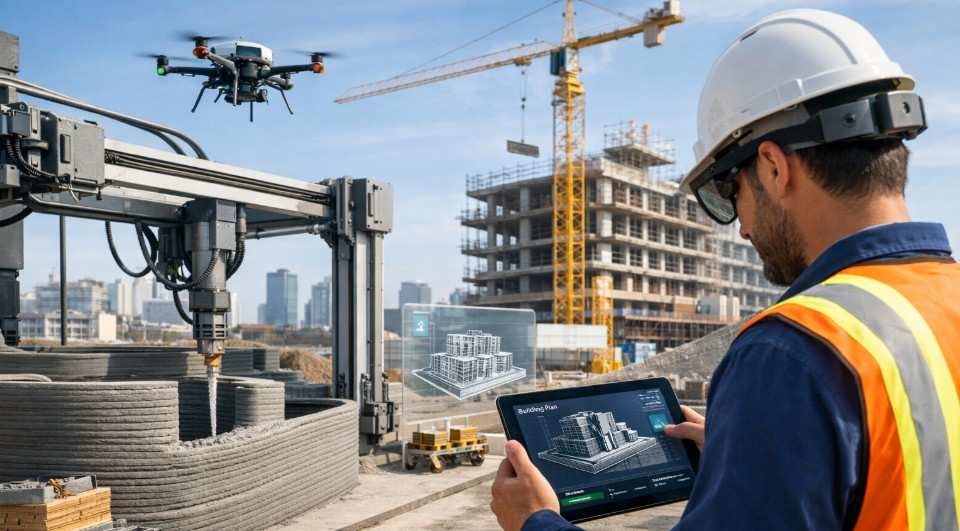
I never imagined that the construction industry would be the one leading the way in innovation, but here we are in 2026, witnessing incredible new technology in construction that’s changing how we build. From AI predicting project delays to drones helping survey massive construction sites, the advancements are happening faster than I could have ever imagined.
It’s not just about modernizing the tools we use—it’s about revolutionizing the entire building process. So, let’s explore these exciting developments and discover how they are shaping the future of construction.
What Are the Key Technologies Transforming Construction?
AI Enhancing Construction Efficiency
When we talk about new technology in construction, Artificial Intelligence (AI) is leading the charge. AI helps in project management by predicting potential delays, tracking budgets, and even identifying safety risks before they turn into serious accidents.
With machine learning, AI continuously improves its predictions by analyzing data, making it a game-changer for effective decision-making. In fact, AI-powered tools can analyze construction plans, suggest optimal workflows, and even generate design improvements in real-time. It’s like having a super-smart assistant that ensures everything runs smoothly and efficiently.
5D BIM Crucial for Modern Construction
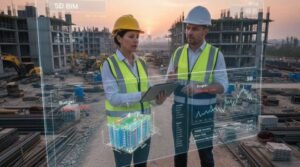
Another breakthrough in new technology in construction is 5D Building Information Modeling (BIM). Unlike traditional 3D models, 5D BIM adds cost and time data, enabling construction teams to see how design changes impact the project’s budget and timeline in real-time. This feature makes it much easier to spot potential problems before they become costly issues.
Not only does this reduce rework, but it also minimizes material waste, ultimately improving both the efficiency and sustainability of the project. With 5D BIM, every decision can be made with data-backed confidence, ensuring smoother project completion.
How Are Drones and Robotics Shaping Construction?
Drones Improve Construction Site Inspections
One of the most practical uses of new technology in construction is drones. Drones equipped with high-resolution cameras and LiDAR technology allow project managers to survey vast construction sites from the air. This process is much quicker and safer than traditional manual inspections, especially for hard-to-reach areas.
Drones can create accurate 3D maps of the entire construction site, enabling real-time progress monitoring. This reduces the need for physical inspections, saving time and minimizing risks for workers. Plus, drones can spot issues like material shortages or structural misalignments before they cause delays.
Role of Robotics in Construction
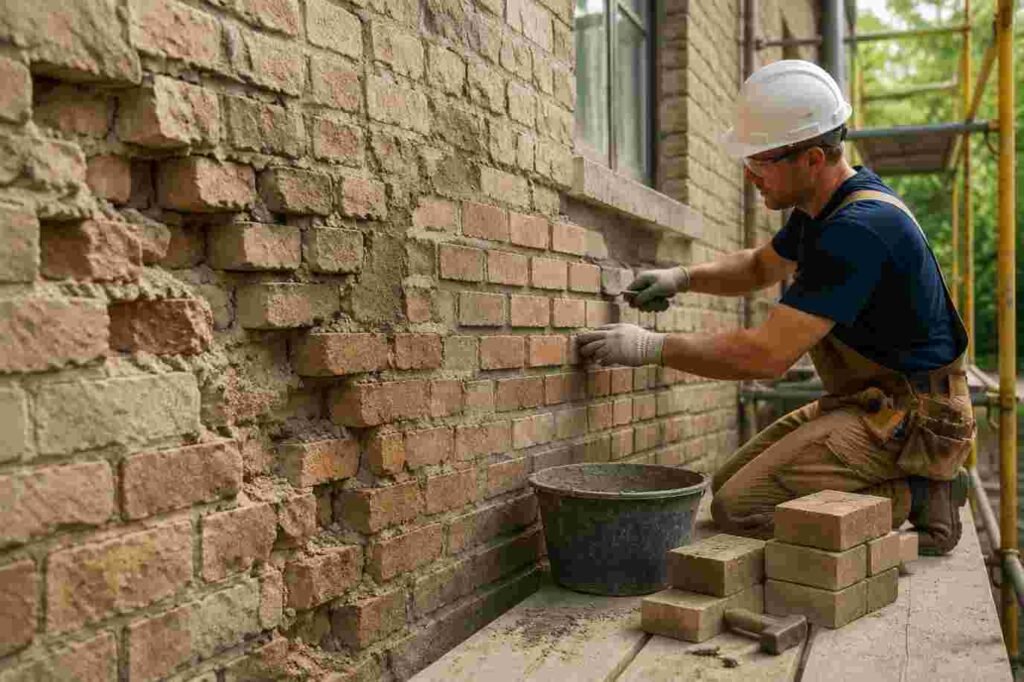
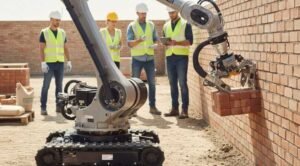
Robotics is another exciting development in new technology in construction. Robots are now taking over tasks that are either repetitive or dangerous for human workers. For example, the SAM100 robot can lay up to 3,000 bricks a day—six times faster than a human mason. Additionally, autonomous bulldozers and rebar-tying robots are becoming increasingly common, reducing labor costs and improving safety on the job.
These robots are not replacing humans but instead enhancing their capabilities, allowing workers to focus on higher-level tasks while robots take care of the heavy lifting.
How to Integrate New Technology in Construction Projects?
Embracing new technology in construction might seem like a daunting task, but it doesn’t have to be. Here’s how you can start incorporating these innovations into your projects:
1. Begin with AI-Powered Project Management Software
Start by investing in construction management software that uses AI to optimize workflows, schedules, and budgets. Platforms like Procore or Buildertrend help streamline communication, track progress, and forecast potential setbacks, saving you time and money in the long run.
2. Invest in Drones and Aerial Mapping Tools
Drones are essential for site surveys, so investing in this new technology in construction will pay off quickly. Drones provide accurate, real-time data, helping you monitor construction progress, inspect hard-to-reach areas, and map the site efficiently.
3. Adopt Robotics for Repetitive Tasks
Robots are perfect for tasks that involve repetitive or dangerous work. Invest in robots like the SAM100 for bricklaying or autonomous machinery for tasks like digging or rebar tying. These robots will increase efficiency and reduce labor costs, making them a valuable addition to any construction site.
4. Implement Virtual and Augmented Reality (VR/AR)
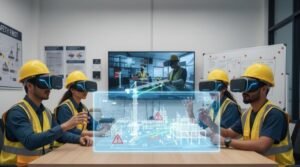
Augmented and virtual reality allow construction workers to visualize designs before the first brick is laid. With AR, workers can overlay digital blueprints onto the physical job site to verify plumbing or electrical placements. VR offers immersive safety training, enabling workers to “walk through” projects virtually before construction begins, ensuring they are well-prepared.
Frequently Asked Questions
1. How expensive is it to implement new technology in construction?
The cost of implementing new technology in construction varies depending on the tool. Drones and AI software are relatively affordable compared to advanced systems like robotics, which can be more expensive. However, these technologies save money in the long run by improving efficiency and reducing errors.
2. Will AI completely replace human workers on construction sites?
No, AI and robotics are designed to assist workers, not replace them. While robots handle repetitive tasks like bricklaying or surveying, human workers are still needed for oversight, management, and decision-making. Technology is here to improve the workflow, not eliminate jobs.
3. How do drones help with construction site inspections?
Drones are equipped with high-definition cameras and LiDAR technology, allowing for quick aerial surveys of large sites. They help monitor progress, spot potential problems, and reduce the need for dangerous manual inspections, ensuring that projects stay on track.
4. What types of robots are used in construction?
In construction, robots like the SAM100 are used for tasks like bricklaying, while other robots handle rebar tying or operating machinery. These robots improve safety and efficiency by performing tasks that would otherwise be labor-intensive or hazardous for humans.
Embracing the Future of Construction
As we look toward the future of construction, new technology in construction is undoubtedly changing the game. AI, drones, robotics, and 5D BIM are not just buzzwords—they are transforming the way we approach building, from design to completion. These technologies are solving industry problems, like labor shortages, safety risks, and sustainability concerns, making the entire process more efficient, cost-effective, and environmentally friendly.
So, if you’re not already embracing these innovations, now’s the time to start. The future of construction is tech-driven, and those who stay ahead of the curve will reap the benefits. Remember, it’s not just about having the newest gadgets—it’s about building smarter, safer, and more sustainably.