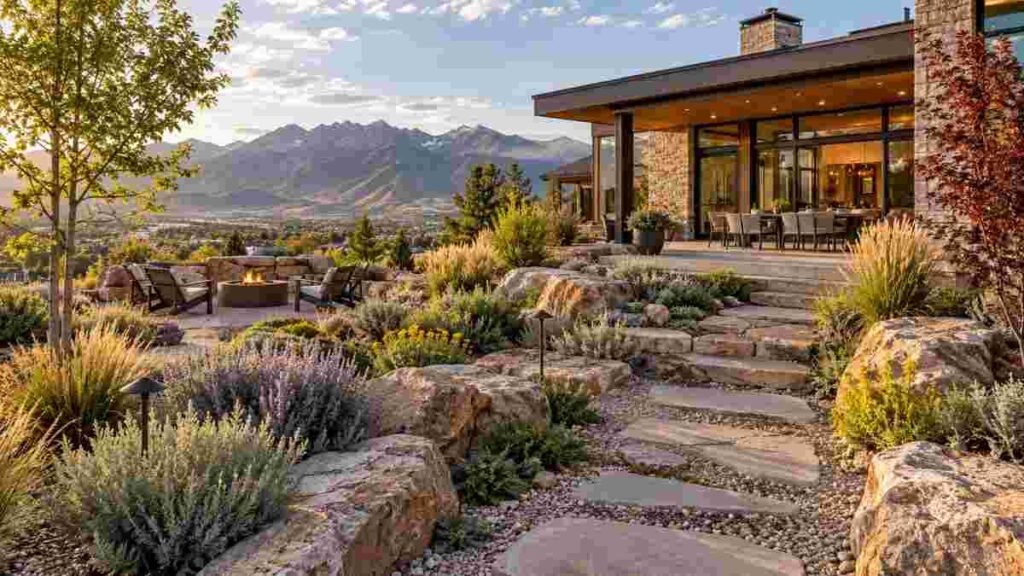
Professional landscaping is often mistaken for a purely visual upgrade. In practice, the best projects do something more valuable: they make outdoor space usable. They turn awkward yards into places where people can move comfortably, gather easily, cook outdoors, manage water effectively, and enjoy the property across more months of the year.
That difference matters most in regions with real climate demands and uneven terrain. When it comes to landscaping in Utah, function is not an optional layer added after the aesthetic work is done. It is the foundation of a good design. When Cottonwood Landscapes approaches a project, the goal is not simply to make a yard look finished. It is to make it perform well as a living environment.
Function Starts With How People Actually Use the Space
A functional landscape begins with behavior, not decoration. Before anyone chooses stone, plants, or lighting, the site should answer a few basic questions: Where do people enter and exit? Where will they sit? How much circulation is needed between the house, patio, play areas, and service zones? What needs to be screened, supported, or protected?
Those questions sound simple, but they shape the entire project. A yard that looks polished yet lacks clear pathways or defined zones often feels difficult to use. People avoid it. Furniture ends up awkwardly placed. Guests gather in the least convenient area because nothing else was planned with intention.
Professional landscaping turns vague open ground into organized outdoor rooms. That can mean a dining area that connects smoothly to the kitchen, a lounge space with enough shade for afternoon use, or a circulation pattern that keeps foot traffic away from planting beds and muddy sections. Cottonwood Landscapes builds around those decisions early, which is why the finished space tends to feel intuitive rather than improvised.
Good Design Solves Problems Before They Become Daily Frustrations
The most valuable landscape improvements are often the ones that quietly remove friction. A backyard may not feel “broken,” but it can still waste time, limit movement, or create maintenance headaches that compound over years.
Drainage, Slope, and Soil Are Functional Issues, Not Side Notes
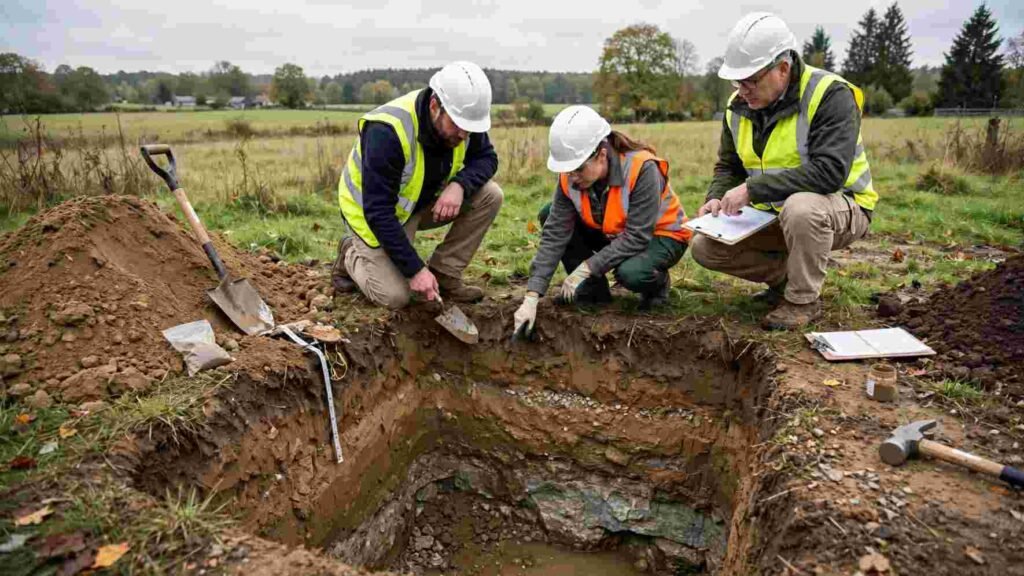
On many properties, water movement determines whether the landscape is pleasant or frustrating. Poor grading can leave standing water near living areas, stress plants, or erode soil over time. Steeper sites can create access problems and unstable transitions between levels. See these ideas for landscaping for sloped yards. These are not cosmetic concerns. They affect safety, durability, and usability.
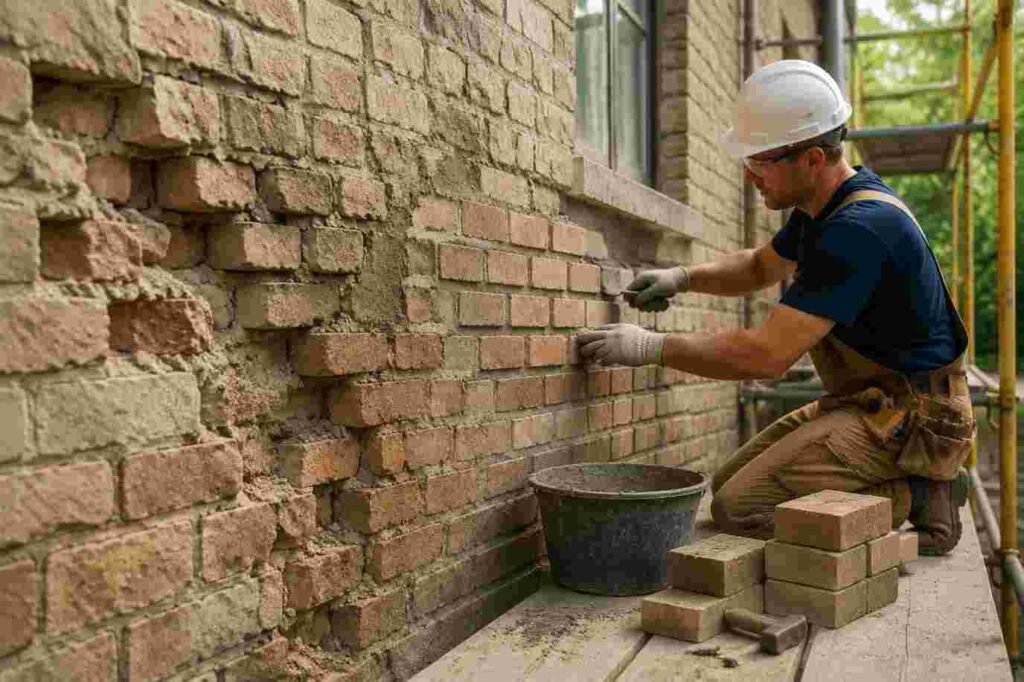
That is why retaining walls, drainage solutions, and site preparation are often central to a well-executed project. They stabilize the land, create flatter and more usable surfaces, and help the yard hold up through repeated freeze-thaw cycles. In a region like Utah, that matters. Materials and structural choices need to account for seasonal expansion, contraction, and long-term wear.
Paths and Transitions Should Reduce Effort, Not Add It
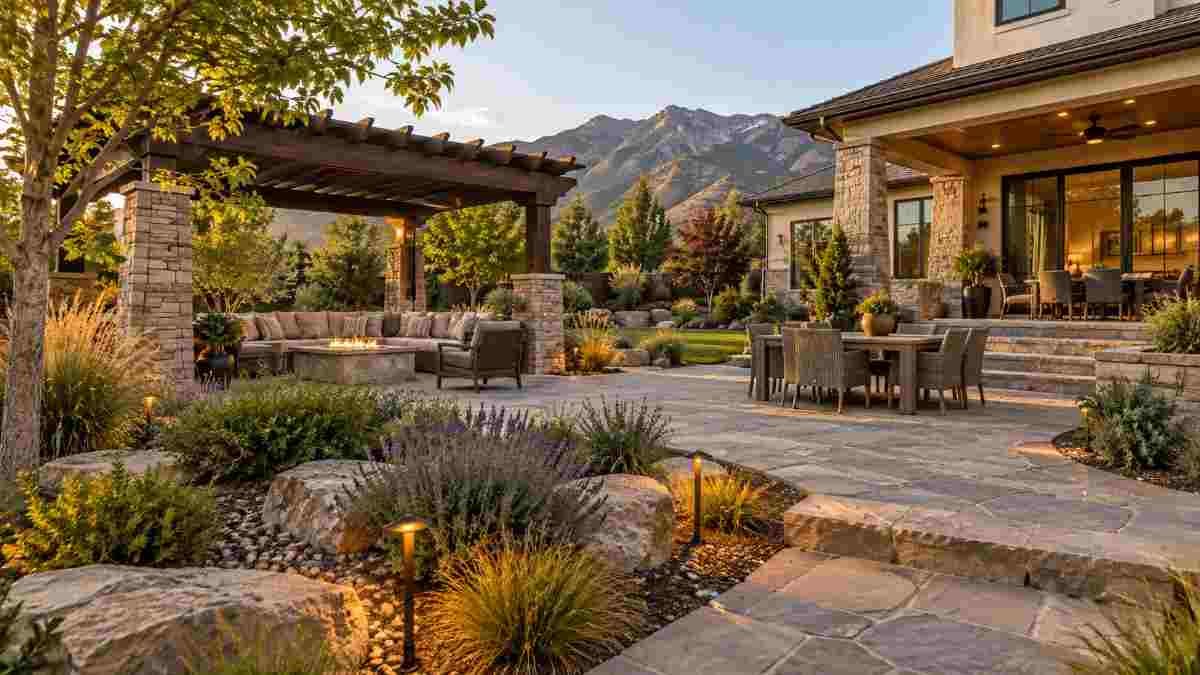
A landscape should help people move naturally from one activity to another. That is one reason paver walkways, steps, deck transitions, and patio connections are so important. They reduce hesitation and improve daily convenience.
A good example is the difference between a back door that opens onto bare slope versus one that leads to a defined patio with a direct walkway to the side yard, garden area, and driveway access. The second version is not just nicer. It is more functional because it removes barriers from ordinary routines.
Cottonwood Landscapes understands that this kind of planning is structural. Once the circulation is right, everything else becomes easier to use and easier to maintain.
The Right Features Extend the Hours and Seasons You Can Use the Yard
A truly functional outdoor space should not be limited to a few perfect afternoons in spring or fall. It should support real use across more of the day and more of the year. That is where hardscaping and structures do serious work.
Outdoor kitchens create a practical center of activity instead of forcing every meal back inside. Fire pits and fire features make cool evenings usable. Pergolas and patio covers create shade and define gathering zones. Decks and pool houses add flexible living space that supports everything from quiet mornings to larger family events. Explore backyard landscaping ideas for small spaces.
These additions matter because they change behavior. When a space is comfortable and convenient, people use it more often. That is the real return on thoughtful design: not just improved appearance, but better occupancy of the property.
Some of the most functional elements include:
- Outdoor kitchens that reduce trips indoors during meals and entertaining.
- Pergolas and patio covers that provide shade and visual structure.
- Fire pits that extend seasonal use into cooler evenings.
- Retaining walls that create level platforms for seating, planting, or circulation.
- Low-voltage lighting that improves visibility and safety after dark.
- Water features that add atmosphere without sacrificing layout efficiency.
The key is integration. A feature placed in isolation may look attractive, but a feature built into the plan improves how the whole yard works. That is where Cottonwood Landscapes adds strategic value: by designing each element to support the next.
Planting Strategy Matters as Much as Stone and Structure
Function is not only about built features. Planting plays a major role in how well an outdoor space works over time. The right plant palette can reduce maintenance, improve privacy, direct movement, soften hard edges, and support year-round visual order.
This is where softscaping becomes more than decoration. Plants can define boundaries without fences, create shade where needed, and keep high-use areas from feeling exposed. They can also make a landscape easier to care for when they are selected for the site’s soil, sun exposure, and water conditions. Use these tips to design a garden makeover.
In high-altitude, semi-arid conditions, that approach matters even more. Xeriscaping is not about making a yard barren or overly sparse. Done well, it is about choosing plants and layouts that work with the climate instead of fighting it. Efficient irrigation also supports this goal by delivering water where it is needed and avoiding waste.
For homeowners, the functional benefit is straightforward:
- Less time spent correcting plant stress.
- Better consistency across changing seasons.
- Lower risk of irrigation inefficiency.
- More predictable performance in challenging conditions.
Cottonwood Landscapes brings regional horticultural knowledge into the design process so plant choices reinforce the architecture of the yard rather than compete with it.
Why Design-Build Execution Produces Better Results Than Piecemeal Work
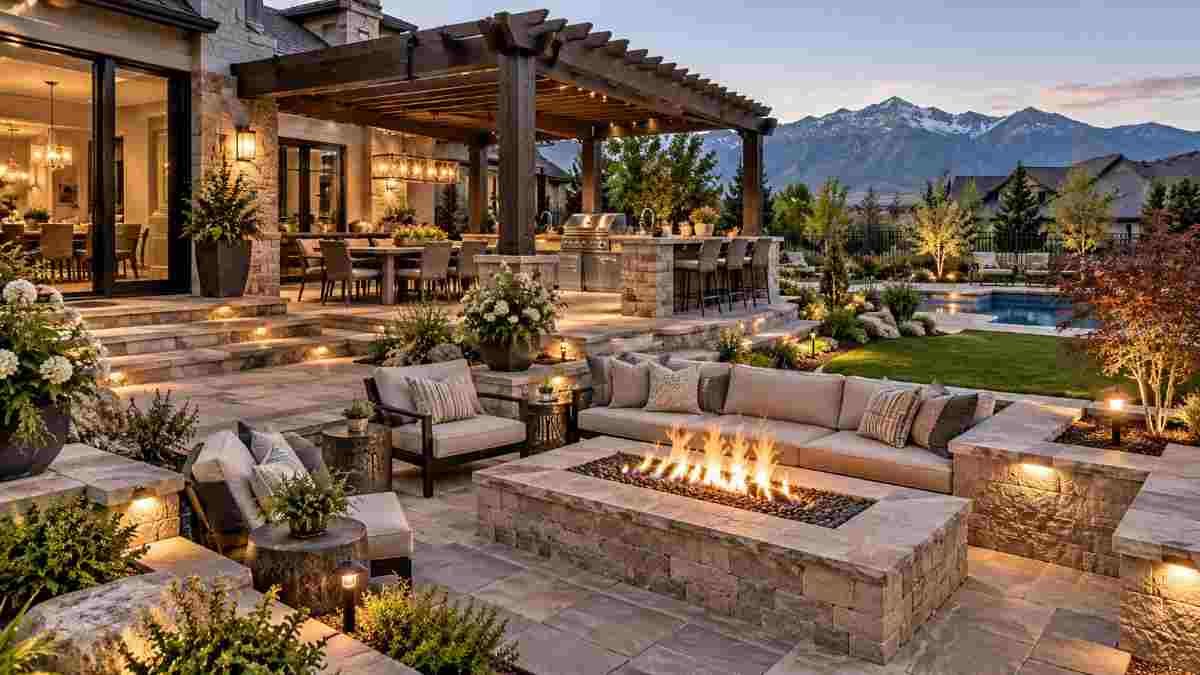
One of the biggest reasons outdoor spaces fail to become truly functional is fragmentation. A homeowner may hire one team for hardscaping, another for planting, and another for irrigation or drainage. Each piece may be acceptable on its own, but the full site can suffer when no one is responsible for the entire system.
That is where a design-build contractor like Cottonwood Landscapes stands apart. When one team handles consult, design, refinement, build, and maintenance planning, the project stays aligned. Grades, structures, irrigation, and plant selections can be coordinated instead of corrected later.
This matters in practical terms. For example, a patio should not be built before drainage is understood. A retaining wall should not be placed without considering circulation and planting. Lighting should not be added as an afterthought if it affects safety and evening usability. When all of those decisions are made together, the final yard is not just attractive. It is coherent.
For homeowners looking into Cottonwood Landscapes, that integrated approach is the real strategic advantage. It reduces guesswork and creates a landscape that performs well from the start.
The Long-Term Value of a Landscape That Works Harder
The best outdoor spaces earn their keep over time. They handle weather, support daily routines, and remain comfortable to use even as needs change. A yard that is functional today should still make sense five years from now, which is why durability and adaptability matter so much in the original plan.
Professional landscaping improves function by aligning the physical site with the way people actually live. It creates better movement, safer surfaces, more usable gathering space, and stronger resilience against climate and site conditions.
In Utah, where terrain and weather both shape performance, that kind of planning is not a luxury. It is the difference between a landscape that merely exists and one that genuinely works.
That’s why Cottonwood Landscapes brings the experience, engineering mindset, and regional understanding needed to build outdoor environments that do more than look complete. They work in daily life, which is ultimately the highest standard any landscape should meet.