A few years ago, I wouldn’t have given much thought to how buildings are built or the materials used. I assumed that a building was just a place to work, live, or shop. But as I started diving deeper into the world of sustainable living, I realized how much construction impacts not only the environment but also our wallets and our health.
Let me tell you, the benefits of sustainable construction go beyond just saving energy. They’re changing the game for everyone—homeowners, businesses, and the planet. If you’re wondering what all the fuss is about, keep reading. I’ll walk you through the key benefits and why you should consider making the switch to sustainable construction in your next project or renovation.
Why Should I Care About Sustainable Construction?
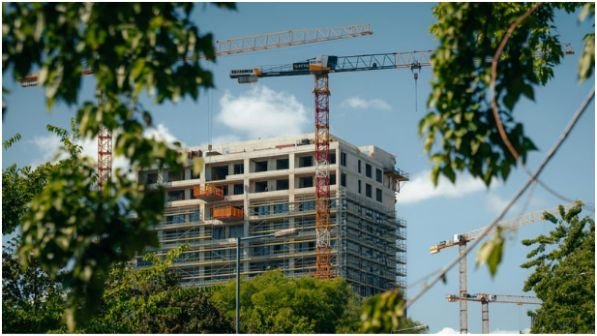
You’ve probably heard the term “sustainable construction” tossed around. But what does it really mean? Simply put, sustainable construction is the practice of designing, building, and operating buildings in a way that minimizes their impact on the environment while enhancing the quality of life for the people who live and work there.
It’s about energy efficiency, eco-friendly materials, and improving health outcomes—both in the immediate surroundings and the wider environment.
In my own journey, I’ve learned that sustainable construction is a win-win for both the environment and your pocketbook.
How Does Sustainable Construction Save Me Money?
I know what you’re thinking: “This sounds expensive! How can being sustainable possibly save me money?”
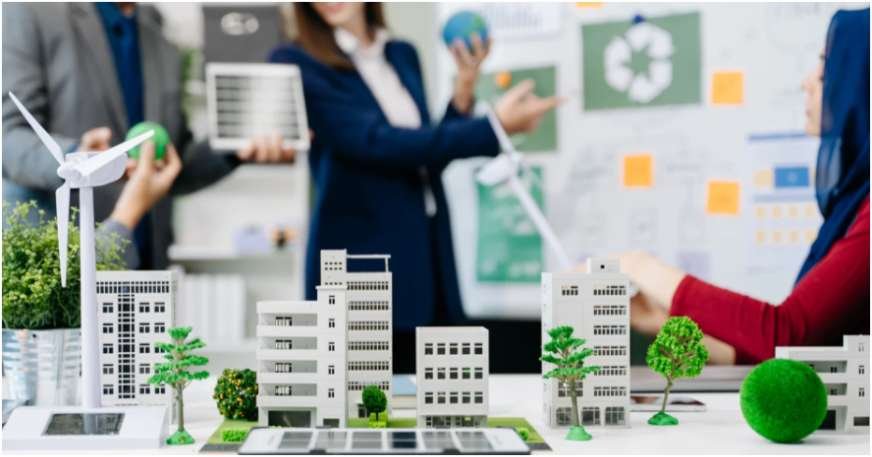
It’s true, there’s a bit of an upfront investment. But here’s the thing—net zero design principles for sustainable buildings are energy-efficient, which leads to massive savings in the long run. In fact, I’ve seen buildings with energy-efficient systems cut energy bills by 20-30%.
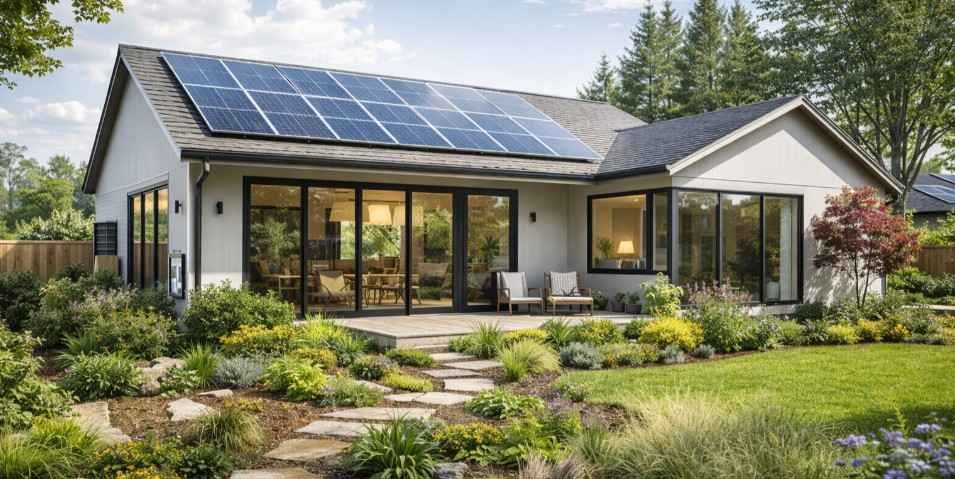
The key is that energy-efficient materials and systems (like high-quality insulation, LED lighting, and solar panels) lower utility costs. I’ve also realized that while green buildings may cost more to build initially, maintenance costs are typically lower.
For example, LEED-certified buildings have reported a 20% reduction in maintenance costs compared to traditional structures. That means fewer repairs, fewer headaches, and, best of all, fewer unexpected bills.
How Can Sustainable Construction Improve My Health?
When I first heard about how sustainable buildings impact well-being, I was curious. After all, who doesn’t want a healthier home or workplace? Sustainable buildings prioritize things like better air quality, natural lighting, and ventilation—all of which significantly improve both physical and mental health.
Think about it: Low-VOC (volatile organic compounds) paints, non-toxic materials, and energy-efficient windows reduce indoor pollutants.
For example, by having proper ventilation and using natural light, the building’s occupants (like you!) feel more energized and less stressed.
I noticed how the air quality in a friend’s LEED-certified office was noticeably fresher, and the increase in natural light made the whole space feel open and inviting.
Long-term benefits include: better sleep quality, reduced stress, and improved productivity. Imagine feeling more comfortable and energized in your own home or office without having to worry about the hidden pollutants in the air.
Is Sustainable Construction Really Better for the Environment?
Absolutely! The environment is probably the biggest winner in sustainable construction. Traditional construction methods are responsible for nearly 40% of global carbon emissions. But sustainable buildings are all about reducing that impact.
Here’s how:
- Reduced carbon emissions: Through the use of renewable energy sources like solar, wind, and geothermal power, these buildings cut down on reliance on fossil fuels.
- Efficient use of resources: Sustainable buildings incorporate recycled materials, like steel and bamboo, which means fewer resources are wasted. Plus, many green buildings are designed to be energy-positive, meaning they generate more energy than they consume.
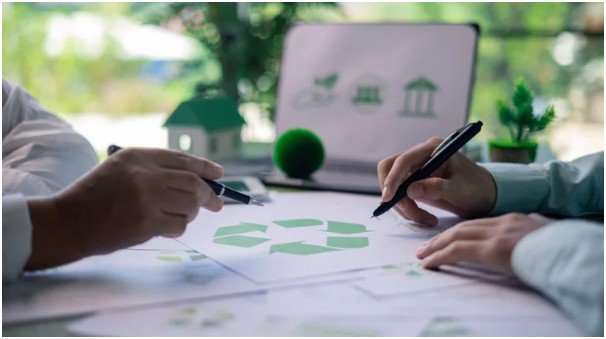
- Waste reduction: Sustainable construction practices embrace the principles of the circular economy. Rather than throwing away materials, buildings are deconstructed, and those materials are reused. This reduces the amount of waste going to landfills. In fact, sustainable construction is estimated to divert millions of tons of waste from landfills every year.
For me, this is where the real magic happens. We’re not just building for today; we’re building for the future of the planet. And it’s incredibly rewarding to know that every sustainable decision—from the choice of materials to the energy systems—helps combat climate change.
How Can I Get Started with Sustainable Construction?
If you’re like me, you probably want to get in on the action, but maybe you’re unsure where to begin. Here’s my simple, step-by-step approach to creating a sustainable space:
Step 1: Choose Sustainable Materials
Start with the basics: use recycled, renewable, or low-carbon materials in your building. Materials like recycled steel, bamboo, and reclaimed wood are fantastic options.
Step 2: Invest in Energy-Efficient Systems
Think about adding solar panels, energy-efficient lighting, high-quality insulation, and smart thermostats to reduce your energy consumption. These will save you money and lower your carbon footprint.
Step 3: Focus on Indoor Air Quality
Opt for low-VOC paints and finishes, and invest in a good ventilation system to ensure that indoor air quality is top-notch. This will make your home healthier for you and your family.
Step 4: Build for Longevity
Consider the building’s long-term maintenance and durability. Sustainable buildings are designed to be low-maintenance, meaning they’re built to last without constant repairs.
FAQ: Common Questions About Sustainable Construction
Q1: How do I know if my building qualifies for a sustainable certification like LEED or BREEAM?
To get started, work with a certified green building professional who can guide you through the certification process. The requirements differ depending on the certification, but they generally include factors like energy efficiency, water conservation, indoor air quality, and material sustainability.
Q2: Is it worth it to upgrade my current home to meet sustainable standards?
Yes! While the initial investment can seem high, upgrading your home with sustainable features can lead to significant long-term savings. Plus, it improves your home’s value and reduces your environmental impact.
Q3: What is the cost of building a sustainable home compared to a traditional one?
Sustainable homes may have a slightly higher upfront cost due to the premium for eco-friendly materials and technology, but the long-term savings on energy bills and maintenance costs make it a smart financial investment.
Q4: What are the most important things to focus on when building sustainably?
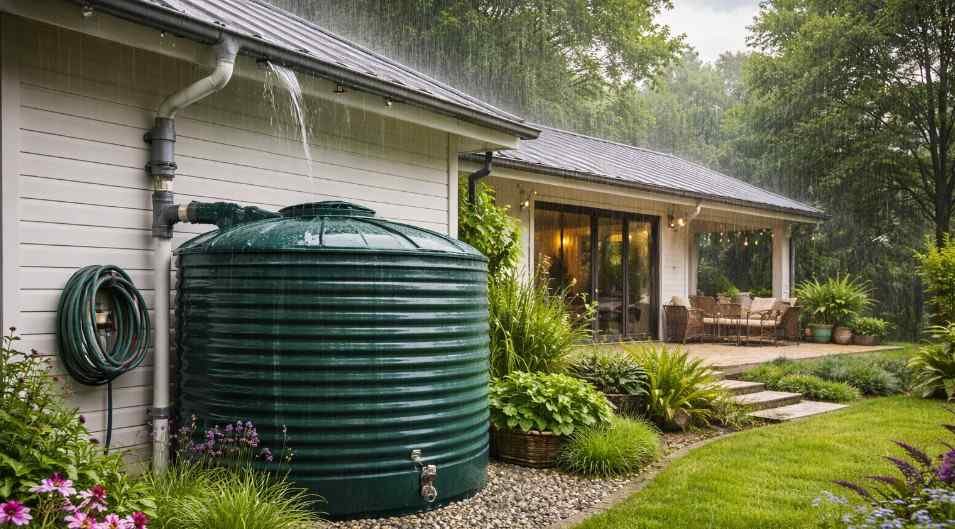
Start with the basics: energy-efficient designs, sustainable materials, and good air quality. After that, focus on waste reduction and eco-friendly systems like solar panels or rainwater collection.
A Final Word: Sustainability Is More Than a Trend
So, here’s my personal tip: sustainable construction isn’t just for “green” enthusiasts or big corporations—it’s for anyone who wants to create a healthier, more energy-efficient home that will stand the test of time.
Whether you’re renovating your current space or building from scratch, embracing sustainable practices is an investment in both your well-being and the planet.
Sustainable construction isn’t a passing trend. It’s the future of building, and I truly believe that embracing it is the best choice for everyone. Go ahead and start making those green changes—you won’t regret it!
Key Takeaways:
- Sustainable construction is an investment in your health, your wallet, and the environment.
- There are clear benefits, from cost savings to better air quality.
- Building sustainably is easier than you think, and it’s an investment that pays off in the long run.
So, what’s your next move? Time to start building the green dream!