When I decided to sell my home, I didn’t start with a sledgehammer or a contractor. I started with a notebook and a hard question: What actually makes buyers pay more?
I wanted real results, not random upgrades. That’s when I got serious about how to increase property value before selling without wasting money on things buyers wouldn’t care about.
What I learned surprised me. The biggest wins came from small, strategic moves. Not dramatic renovations. Not trendy features. Just smart, disciplined improvements that made buyers feel confident the moment they walked in.
Here’s exactly what worked for me—and what I would repeat every time.
Why Do Small Changes Often Bring the Biggest Returns?
I used to think value came from big remodels. Then I looked at buyer behavior.
Buyers walk into a home and make emotional decisions fast. If they see dirt, clutter, or broken fixtures, they assume bigger problems hide beneath the surface. Even when that isn’t true.
So I started simple.
I deep cleaned everything. Baseboards. Light switches. Windows. I decluttered every room and removed personal photos. I wanted buyers to imagine their life there—not mine.
Then I painted the walls in soft white and light greige. Neutral colors made every room look bigger and brighter. That fresh paint cost me very little, but it changed the energy of the house instantly.
Renovating old houses to transform space don’t overwhelm buyers. They reassure them.
What Upgrades Actually Increase ROI (And Which Ones I Avoided)?
I researched what projects bring strong returns in the U.S. market. Then I filtered them through my budget and neighborhood standards.
Here’s how I approached it:
| Upgrade | Why I Chose It | ROI Potential |
| Kitchen refresh (not remodel) | Updated cabinet hardware, painted cabinets | 60–90% |
| Bathroom fixture updates | Modern faucets & lighting | Strong buyer appeal |
| Garage door replacement | Boosted curb appeal dramatically | 100%+ in many markets |
| Hardwood refinishing | Made floors look new | Up to 147% |
I skipped full kitchen gut jobs. I skipped luxury upgrades that exceeded nearby homes. Over-improving rarely pays off.
I also avoided adding a pool. In many areas, buyers see pools as maintenance headaches. I wanted maximum buyer interest—not a niche audience.
When I focused on practical updates instead of flashy ones, I protected my profit.
How Does Curb Appeal Shape Buyer Decisions?
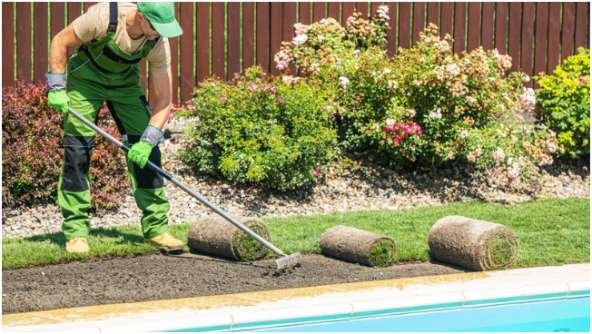
The first showing taught me something important. Buyers judge your home before they even ring the doorbell.
So I treated my exterior like a marketing campaign.
I power washed the driveway and siding. I trimmed shrubs. I planted low-maintenance greenery. I painted the front door a clean, modern color.
None of this cost much. But it created confidence. Buyers walked in already impressed.
I also replaced my garage door because it looked outdated. That one move transformed the façade and made the house look newer instantly.
Curb appeal doesn’t just attract buyers—it sets the tone for the entire showing.
Why Should You Avoid Over-Personalizing Before Selling?
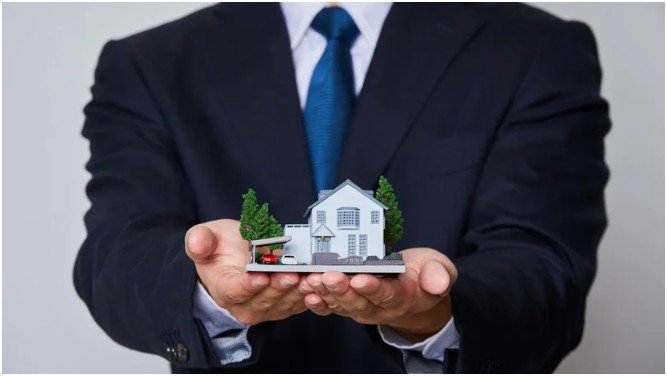
I love bold décor. But buyers don’t shop for my taste—they shop for potential.
Wallpaper, bright feature walls, dramatic tiling… those things make strong statements. Strong statements divide people.
When I prepared my house, I edited it like a magazine spread. I removed heavy drapes. I simplified décor. I kept furniture minimal.
The goal? Make it feel like a model home.
If a buyer walks in and thinks, “I’ll have to redo this,” they lower their offer.
If they walk in and think, “I could move in tomorrow,” they pay more.
How-To: How to Increase Property Value Before Selling (My Step-by-Step Routine)
Here’s exactly how I tackled how to increase property value before selling in a practical, manageable way:
Step 1: Walk through your home like a buyer.
I stood at the front door and scanned every room. I wrote down flaws—no excuses allowed.
Step 2: Fix every minor defect first.
Leaky faucet? Fixed. Loose handle? Tightened. Cracked tile? Replaced. Small issues create big doubts.
Step 3: Declutter aggressively.
I boxed up 30% of my belongings and stored them. Open space sells.
Step 4: Refresh paint and lighting.
Neutral paint and bright LED bulbs changed the mood instantly.
Step 5: Upgrade strategically.
Instead of remodeling, I updated hardware, light fixtures, and flooring finishes.
Step 6: Improve energy efficiency.
I installed LED lighting, added attic insulation, and installed a smart thermostat. Buyers love lower utility costs.
Step 7: Match neighborhood standards.
I checked nearby listings. I improved my home by installing garden irrigation system—but I didn’t exceed what buyers expected in my area.
I followed this plan over six weeks. When I listed, my home looked clean, updated, and move-in ready—without draining my savings.
How Do Energy-Efficient Upgrades Help Sell Faster?
Buyers think long-term.
When I mentioned LED lighting, insulation upgrades, and a smart thermostat during showings, buyers leaned in. They saw future savings.
Energy efficiency feels practical. It signals smart homeownership.
It also attracts environmentally conscious buyers. In many U.S. markets, sustainability adds real appeal.
These upgrades cost far less than cosmetic remodels—but buyers perceive strong value.
What Mistakes Can Decrease Property Value Before Selling?
I learned what not to do by studying common seller mistakes.
Converting bedrooms into closets or offices shrinks your buyer pool. Bedrooms drive search filters online. Never remove one before listing.
DIY work that looks sloppy raises red flags. Buyers worry about hidden problems. If you attempt repairs, finish them professionally.
Sunrooms and specialty rooms sometimes don’t count fully in appraisals. Expensive additions don’t always translate into higher valuations.
When I stayed disciplined and avoided risky projects, I protected my resale value.
Key Takeaways
- Deep cleaning and decluttering deliver massive impact.
- Neutral paint attracts more buyers.
- Small kitchen and bathroom updates beat full remodels.
- Curb appeal influences first impressions immediately.
- Energy-efficient upgrades appeal to modern buyers.
- Avoid over-improving beyond your neighborhood.
- Don’t remove bedrooms or garage space before listing.
FAQs
1. How much should I spend before selling my home?
I follow a simple rule: spend only where you can see a clear return. I avoided major remodels and focused on cosmetic updates. Most sellers recover more from strategic refreshes than from expensive renovations. Look at comparable homes in your area and improve to match—not exceed—them.
2. Should I renovate my kitchen before selling?
Not fully. I refreshed mine instead. I painted cabinets, replaced hardware, and upgraded lighting. That gave me a modern look without major expense. Buyers often prefer cosmetic updates they can personalize later rather than paying for someone else’s luxury choices.
3. Does repainting really make that much difference?
Absolutely. Fresh neutral paint makes rooms look bigger, cleaner, and brighter. Buyers respond emotionally to clean walls. Paint ranks among the cheapest upgrades with the strongest visual impact.
4. Are pools bad for resale value?
It depends on your region. In many markets, pools reduce buyer interest because of maintenance and safety concerns. Unless your neighborhood strongly supports pools, I would invest elsewhere.
So… Want Top Dollar or Just a “For Sale” Sign?
When I focused on how to increase property value before selling, I stopped thinking like a homeowner and started thinking like a buyer.
I didn’t chase trends. I didn’t overbuild. I cleaned, refreshed, repaired, and simplified.
That strategy helped me sell faster—and at a stronger price.
If you’re preparing to list, remember this: buyers don’t pay for perfection. They pay for confidence.
Give them that, and you win.
Before you schedule photos, walk through your house tonight with fresh eyes. Small changes today can mean thousands more tomorrow.