Water intrusion in a basement can lead to structural damage, mold growth, musty odors, and reduced property value. Learning how to waterproof a basement is essential for protecting your home’s foundation and maintaining a healthy indoor environment.
Most basement water problems occur due to poor drainage, foundation cracks, or hydrostatic pressure from saturated soil. A proper waterproofing strategy focuses on stopping water at the source, sealing structural gaps, and installing protective systems where necessary.
According to the Federal Emergency Management Agency, moisture-related damage is one of the most common and costly issues homeowners face, making early prevention extremely important.
Key Takeaways
- Basement waterproofing starts with identifying the root cause of water intrusion.
- Improving exterior drainage is the most important first step.
- Proper soil grading helps prevent water from collecting near the foundation.
- Sealing foundation cracks reduces long-term structural damage risk.
- Waterproof coatings provide an additional moisture barrier.
Why Basement Waterproofing Matters for Structural Safety
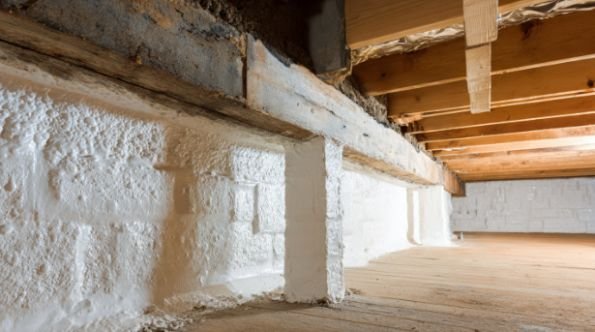
A basement sits below ground level, which exposes it to constant soil pressure. After heavy rainfall, groundwater builds up around the foundation and pushes against the walls. Over time, this hydrostatic pressure can cause cracks, leaks, and gradual structural weakening.
The influence of gradual damage becomes evident as small, unnoticed moisture intrusion slowly expands cracks, deteriorates concrete strength, weakens support structures, and increases the risk of mold growth.
Waterproofing protects foundation stability, improves indoor air quality, prevents mold growth, and preserves the overall value of your home. Ignoring minor dampness today can lead to expensive structural repairs tomorrow.
Common Causes of Basement Water Problems
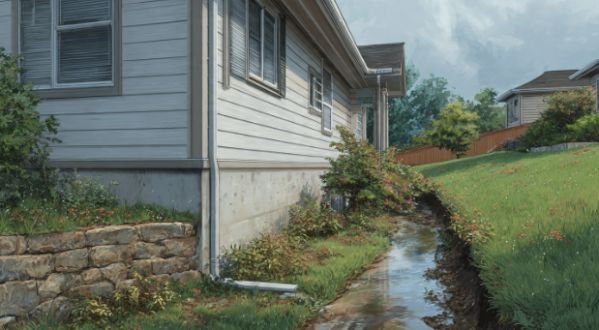
Understanding the root cause of water intrusion is the first step in solving the issue effectively. Without identifying the true source, waterproofing efforts may fail repeatedly.
Poor Exterior Drainage
Clogged gutters, short downspouts, and blocked drainage systems allow water to accumulate near the foundation. When water pools around the house, it increases soil saturation and pressure against basement walls, leading to seepage.
Improper Soil Grading
If the ground slopes toward the house instead of away from it, rainwater naturally flows toward the foundation. Proper grading ensures that surface runoff drains safely away from the structure.
Foundation Cracks and Gaps
Concrete foundations can develop cracks over time due to settling or temperature changes. Even small hairline cracks can allow moisture to enter. Gaps around utility pipes and basement windows also become common leak points.
High Water Table
In areas with naturally high groundwater levels, basements may experience ongoing moisture issues. Homes in flood-prone regions are especially vulnerable to this problem.
Step 1: Improve Exterior Drainage First
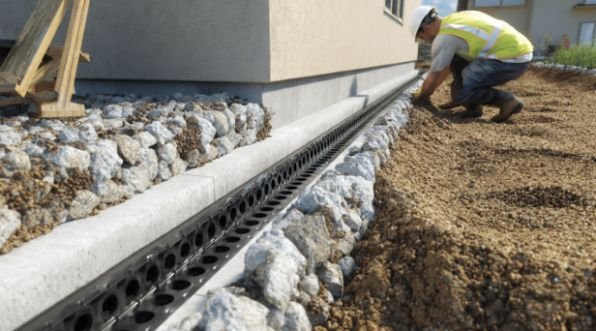
The most effective waterproofing strategy begins outside the home. Cleaning gutters regularly and extending downspouts at least 10 feet away from the foundation significantly reduces water accumulation.
Adjusting soil grading so that it slopes away from the home for several feet helps redirect surface water. In more severe cases, installing a French drain system around the perimeter of the house channels groundwater away from the foundation before it can build up pressure.
Ground Water and the Rural Homeowner is an especially important consideration, as homes in rural areas often face higher groundwater levels, limited municipal drainage systems, and naturally saturated soil conditions.
Step 2: Repair Cracks and Seal Structural Gaps
Once exterior drainage is controlled, inspect the interior basement walls carefully. Look for damp spots, water stains, or white powder residue known as efflorescence. Larger cracks can be sealed with hydraulic cement, which expands as it cures to create a watertight barrier.
Smaller cracks often require epoxy injections for durable reinforcement. Sealing around pipe entries, window frames, and other penetrations using waterproof caulk prevents additional moisture intrusion.
Step 3: Apply Waterproof Coatings to Basement Walls
After cleaning and drying the walls thoroughly, applying a waterproof coating adds an extra layer of protection. Silicate-based sealers penetrate concrete and chemically react to strengthen it from within. Elastomeric coatings create a flexible membrane that resists water pressure.
Products such as DRYLOK Extreme Masonry Waterproofer are commonly used for interior applications because they help resist hydrostatic pressure when applied correctly. Proper surface preparation and multiple coats ensure maximum effectiveness.
Step 4: Install a Sump Pump System for Persistent Water Issues
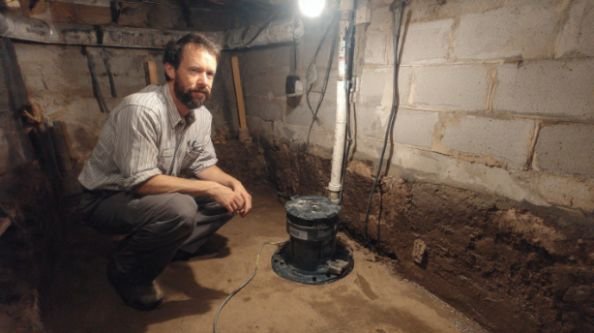
If your basement frequently floods or experiences heavy seepage, installing a sump pump may be necessary. A sump pump collects groundwater in a basin and automatically pumps it away from the home. Adding a battery backup ensures operation during power outages.
In severe cases, interior drain tile systems installed beneath the basement floor can channel water directly to the sump pit, offering long-term protection.
Legal and Insurance Considerations
Before making major waterproofing modifications, it is important to review local building codes and permit requirements. Structural drainage systems may require approval from local authorities. Homeowners in flood-prone areas should also review their insurance policies.
The National Flood Insurance Program provides information about flood risk coverage and protection options. Understanding these regulations ensures compliance and financial security.
Maintenance After Waterproofing
Waterproofing is not a one-time task. Ongoing maintenance keeps your basement dry for years to come.
Gutters should be cleaned regularly, foundation walls inspected annually for new cracks, and sump pumps tested at least twice a year. Replacing worn sealant and monitoring soil grading prevents recurring water problems.
Long-Term Benefits of Basement Waterproofing
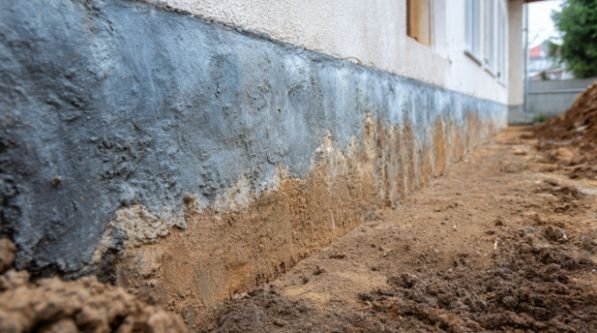
Taking proactive steps to waterproof your basement improves structural durability, reduces mold risk, enhances indoor air quality, and increases resale value. A dry basement also protects electrical systems, furniture, and stored belongings from damage.
By addressing the root causes of water intrusion and following a systematic approach, homeowners can create a safer and healthier living environment.
Frequently Asked Questions
1. What is the best way to waterproof a basement?
The best way to waterproof a basement is to first improve exterior drainage, then repair foundation cracks, apply waterproof coatings, and install a sump pump system if necessary. Addressing the root cause of water intrusion ensures long-term protection.
2. Is basement waterproofing done from inside or outside?
Basement waterproofing can be done from both inside and outside. Exterior waterproofing stops water before it reaches the foundation, while interior waterproofing manages water that has already entered.
3. How long does basement waterproofing last?
When installed correctly and properly maintained, basement waterproofing solutions can last many years. Regular inspection of drainage systems and foundation walls is important.
4. Can waterproof paint stop basement leaks?
Waterproof paint can help reduce minor moisture seepage, but it may not stop serious leaks caused by hydrostatic pressure or structural cracks.
5. How much does it cost to waterproof a basement?
The cost depends on the severity of the issue. Minor crack repairs and coatings are affordable, while installing drainage systems or sump pumps requires a larger investment.
Protect Your Foundation for the Long Term
Learning how to waterproof a basement involves improving exterior drainage, sealing structural cracks, applying protective coatings, and installing drainage systems when necessary.
A well-planned waterproofing strategy not only prevents immediate leaks but also safeguards your home’s foundation for the long term. Acting early reduces repair costs and ensures long-lasting structural stability.