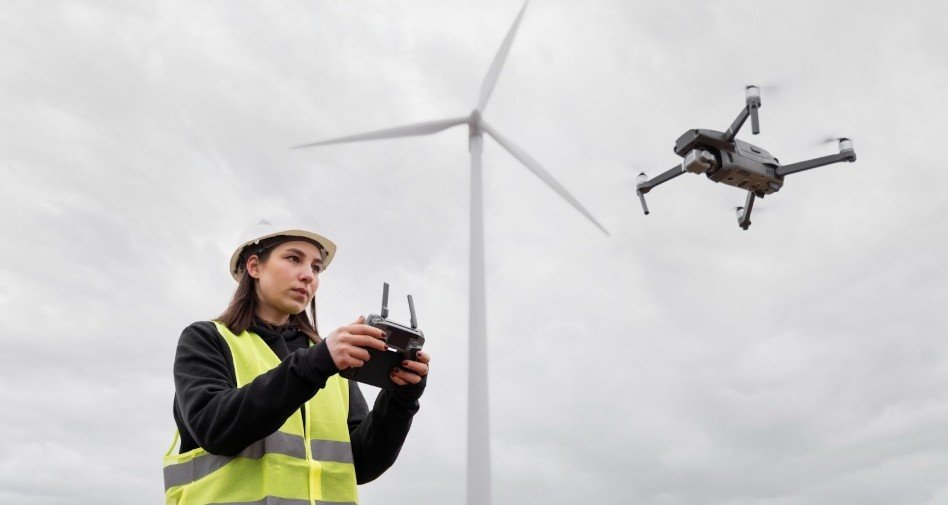
If you’ve ever seen drones whizzing around at a construction site, you might’ve wondered what they’re really up to. I sure did! As a beginner to the drone world, I thought they were just fancy gadgets, but it turns out drones are revolutionizing the construction industry. From mapping to monitoring, these flying tech tools are cutting down costs, boosting safety, and making work more efficient.
Why Are Drones Becoming Essential in Construction?
Drones have moved beyond being fun toys and are now powerful tools in construction. These nifty machines tackle a variety of tasks that once consumed time, increased costs, or put workers at risk. But why are they so effective in construction?
1. Aerial Surveys & Mapping
Gone are the days of manually mapping out construction sites. Drones are equipped with high-tech sensors, cameras, and GPS systems to capture precise data of the entire construction site. They provide quick, accurate, and up-to-date 3D maps that save both time and resources.
2. Progress Monitoring & Documentation
With drones, construction managers can track the progress of a site in real-time, ensuring that everything is on schedule. High-quality aerial photos or videos allow teams to compare the site’s development against the plans, highlighting any discrepancies before they turn into costly problems.
3. Safety Inspections
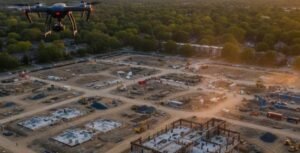
Drones are used to perform safety inspections in dangerous locations like high-rise buildings, scaffolding, or uneven terrain. This reduces the need for workers to be exposed to hazardous environments, making construction safer for everyone involved.
How Do Drones Work in Construction Projects?
So, how exactly do drones help during construction? Here’s a step-by-step breakdown of how these flying machines gather crucial data and enhance productivity:
Step 1: Choose the Right Drone and Software
Choosing the right drone is the first step in utilizing drones in construction. Whether you’re using drones for aerial photography, surveying, or safety inspections, it’s essential to select drones equipped with high-resolution cameras, GPS, and LiDAR sensors. You need specialized software like DroneDeploy or Propeller Aero to handle the massive amounts of data collected.
Step 2: Plan Your Drone Flight Path
Next, you’ll plan the drone’s flight path. With modern drones, you can set a pre-programmed path using software. This ensures that every part of the site is covered systematically. Automated flight paths help ensure no section is missed, and data is collected efficiently.
Step 3: Conduct the Drone Flight

Once everything is set, the drone takes off and follows the path to gather the necessary data, whether it’s photos, videos, or measurements. This data is stored for analysis once the flight is complete.
Step 4: Analyze the Collected Data
The real magic happens after the drone has completed its flight. The software processes the data to create 3D models, high-resolution maps, and real-time images that support deeper analysis and informed decision-making. These models provide detailed information on the site, helping the project stay on track.
Step 5: Make Data-Driven Decisions
Using the data collected from the drone, construction managers can make informed decisions quickly. Whether adjusting work schedules or reallocating resources, having the most up-to-date and accurate data leads to better outcomes for the project.
How Drones Are Enhancing Construction Site Safety
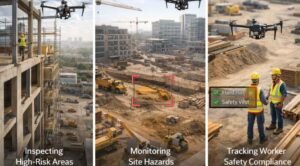
One of the most significant benefits of using drones in construction is the impact they have on safety. Construction sites are dangerous places, and keeping workers out of hazardous situations is critical. Here’s how drones make it safer:
Inspecting High-Risk Areas
Drones can fly up and inspect hard-to-reach areas, like rooftops, cranes, or power lines. This means that workers no longer need to scale scaffolds or risk climbing dangerous heights just to complete an inspection.
Monitoring Site Hazards
Drones can be equipped with thermal cameras, allowing them to detect and assess hazards, such as gas leaks or electrical issues. This proactive approach helps prevent accidents before they occur.
Tracking Worker Safety Compliance
Drones can also be used to monitor workers’ safety gear compliance. By monitoring workers on-site, drones can track whether safety helmets, vests, and other protective gear are being worn, ensuring that safety standards are met.
How to Implement Drones in Your Construction Project
Ready to take your construction site to the next level with drones? Here’s how to start:

1. Choose a Suitable Drone
Before investing in drones, determine what you need them for. Do you need drones for surveying, mapping, inspections, or all three? Make sure to invest in a drone that fits your requirements and budget.
2. Get Certified Drone Pilots
The FAA requires commercial drone operators to be certified. Ensure you hire qualified drone pilots who have experience operating drones in construction environments. Training is essential to ensure safe and efficient use.
3. Select Drone Software
Choose software that can process and analyze the drone’s data. The right software will help you turn raw data into actionable insights and integrate the data with other project management tools.
4. Plan Flight Paths and Schedules
Carefully plan the drone’s flight paths and the best times for operations. Many drones allow for pre-programmed automated flights, but you should also plan for weather conditions and any restrictions that may arise.
5. Analyze and Act on Data
Once the drone has completed its flight and the data is ready for analysis, take action. Review the collected data, check for any issues on-site, and make informed decisions to keep the project moving smoothly.
Frequently Asked Questions (FAQs)
1. What are the main benefits of using drones in construction?
Drones offer several key benefits, including faster surveys, improved safety, real-time progress tracking, and cost savings. They help reduce human error, enhance the quality of data, and improve project efficiency.
2. Are drones in construction worth the investment?
Yes! Drones may have an upfront cost, but they can significantly reduce labor costs, speed up surveying and inspections, and enhance overall project accuracy. Over time, the return on investment is well worth it.
3. How accurate are drones in construction surveys?
Drones are highly accurate, especially when equipped with LiDAR or photogrammetry technology. These systems can map an area with centimeter-level precision, making them ideal for construction surveys.
4. Do I need to hire a drone operator for my construction site?
Yes, you’ll need a certified drone operator to fly the drone. The FAA requires commercial drone operators to pass a certification process to ensure safety and compliance with aviation laws.
Embrace the Future of Construction with Drones
As you can see, drones are not just a trendy piece of technology—they’re an essential tool in modern construction. Drones enhance safety, improve efficiency, and provide accurate layout design plans and data, transforming how teams manage construction projects. Don’t fall behind—invest in drone technology now to save time, money, and effort in the long run.
Ready to take your construction site to new heights? The sky’s the limit with drones!