
If your lawn has seen better days, it’s time for a change. Lawn renovation is a great way to revive your outdoor space, improve grass health, and increase curb appeal. Whether you’re dealing with thinning grass, brown patches, or compacted soil, lawn renovation can bring your yard back to life.
In this guide, I’ll walk you through the key steps of lawn renovation, helping you transform your lawn into a lush, green oasis. From proper soil preparation to selecting the right grass seed, follow these expert tips for a successful renovation. Let’s get started!
Key Takeaways
- Renovating your lawn can improve health, appearance, and resilience.
- Focus on soil preparation, aeration, and overseeding for optimal results.
- Lawn renovation is a seasonal task that yields long-term benefits.
Why Lawn Renovation Matters

Lawn renovation is essential for restoring grass health, improving soil quality, and enhancing the overall appearance of your lawn.
Over time, lawns can suffer from a range of issues, such as poor soil, compacted ground, pest damage, or thinning grass. These problems can lead to unsightly brown patches, weeds, and unhealthy turf.
Renovating your lawn addresses these issues by introducing new grass, improving soil structure, and ensuring your lawn is better equipped to handle the challenges of the growing season.
A well-maintained lawn also adds value to your home, boosts curb appeal, and provides a comfortable outdoor space for your family to enjoy.
Essential Lawn Renovation Steps
Soil Preparation
Before you can fix a lawn, you must understand its soil. Start by testing the soil to check for nutrient deficiencies, pH levels, and compaction.
Proper gardening soil preparation sets the foundation for successful renovation. If your soil is too compacted, it will be harder for grass roots to grow and absorb nutrients.
Amend the soil by aerating and adding compost or soil amendments as needed. This helps improve drainage, aeration, and nutrient retention.
Aeration
Aeration is a crucial step in lawn renovation. This process involves perforating the soil with small holes to allow air, water, and nutrients to reach the roots of your grass.
Aeration helps relieve soil compaction, improves root growth, and ensures your lawn gets the necessary resources to thrive.
For most lawns, aerating in the fall or early spring is ideal. Use a manual or machine aerator to create holes across the lawn, ensuring proper airflow and water penetration.
Overseeding
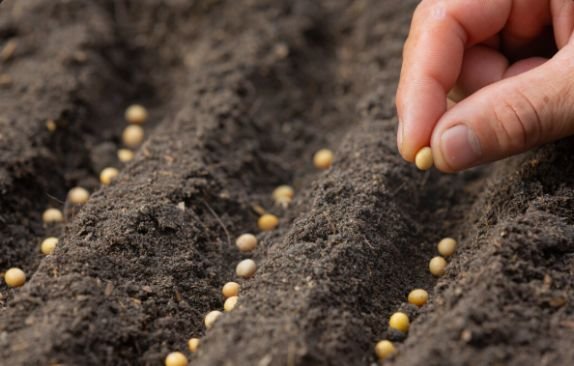
Overseeding is the process of adding new grass seed to an existing lawn. It’s an essential step in lawn renovation, especially if your lawn has bare patches or thinning grass. By sowing fresh grass seed, you’ll help improve the overall density and health of your lawn.
Choose a high-quality grass seed that’s appropriate for your climate and soil type. Cool-season grasses work well for cooler climates, while warm-season grasses are better for hotter areas. Be sure to evenly distribute the seed to achieve a uniform growth pattern.
Fertilization

Fertilization provides the necessary nutrients for your lawn to grow strong and healthy. After aerating and overseeding, apply a balanced fertilizer to promote grass seed germination and encourage healthy root development.
Use a slow-release fertilizer to provide nutrients over a longer period, ensuring consistent growth.
The Best Time to Renovate Your Lawn
Timing is critical when it comes to lawn renovation. The best time for renovation depends on the type of grass you have.
- Cool-Season Grasses: If you have cool-season grasses, the ideal time to renovate is during the early fall or spring. The soil is warm enough for seed germination, but temperatures are cooler, reducing the risk of heat stress.
- Warm-Season Grasses: For warm-season grasses, late spring to early summer is the best time to renovate. The effect of warmer climate on seed germination allows the grass to establish strong roots before the heat of summer.
Step-by-Step Lawn Renovation Process
Step 1: Evaluate and Test Your Soil
Start by testing your soil to understand its composition, pH, and nutrient levels. Use a soil test kit or send samples to a lab for accurate results. Based on the results, amend your soil with the necessary adjustments, such as lime for acidity or organic compost for nutrient deficiencies.
Step 2: Aerate the Lawn
Next, use an aerator to perforate the soil. Aeration will help break up compacted soil, allowing air, water, and nutrients to penetrate deeper into the ground. If you’re dealing with heavy clay soil or thick grass, aeration is especially important.
Step 3: Overseed with Fresh Grass Seed
Spread a high-quality grass seed evenly over the aerated lawn. Follow the recommended seeding rate on the seed package, and use a broadcast spreader for uniform coverage. Make sure the grass seed is appropriate for your climate and soil.
Step 4: Apply Fertilizer
After overseeding, apply a balanced fertilizer to provide the nutrients needed for grass growth. Choose a fertilizer with a higher phosphorus content to encourage root development. Be sure to follow the instructions on the label for the correct amount to apply.
Step 5: Water the Lawn Properly
Watering is essential for the success of lawn renovation. Keep the soil consistently moist, but avoid overwatering. Water in the early morning or late evening to reduce evaporation. Once the new grass begins to grow, reduce watering to promote deeper root development.
Common Lawn Renovation Mistakes and How to Avoid Them
- Over or Under-Seeding: Applying too much seed can lead to overcrowding, while too little seed results in bare patches. Stick to the recommended seeding rate.
- Poor Timing: Renovating during the wrong season can hinder grass growth. Make sure to renovate at the optimal time for your grass type.
- Skipping Aeration: Skipping aeration or doing it improperly can result in poor seed-to-soil contact and reduced germination rates.
- Improper Watering: Overwatering can lead to fungal diseases, while underwatering can cause the grass to dry out. Monitor your watering schedule closely.
Lawn Renovation Maintenance

After your lawn renovation, ongoing maintenance is key to keeping your lawn healthy. Follow these steps:
- Watering: Continue to water your lawn deeply but infrequently to promote deep root growth.
- Mowing: Wait until the new grass is at least 3 inches tall before mowing. Keep your mower blades sharp for clean cuts.
- Fertilizing: Apply a balanced fertilizer a few weeks after renovation to continue providing nutrients for the growing grass.
Frequently Asked Questions
1. How often should I renovate my lawn?
Lawn renovation is typically done every 3-5 years, depending on the lawn’s condition and the type of grass.
2. Can I renovate my lawn in the summer?
It’s best to avoid renovating lawns in the summer for cool-season grasses. However, warm-season grasses can be renovated in late spring or early summer.
3. How long does lawn renovation take to show results?
You’ll start to see results within 2-3 weeks as the seed begins to germinate. Full results, such as a dense, healthy lawn, may take 6-8 weeks.
4. What’s the best seed for lawn renovation?
Choose a grass seed that matches your region and lawn type. For cool-season grasses, options like Kentucky bluegrass or fescue are ideal. For warm-season grasses, Bermuda and zoysia work well.
Final Thoughts: Revitalize Your Lawn and Enjoy Long-Lasting Results
Lawn renovation is an excellent way to improve the health and appearance of your yard. By following the right steps—soil preparation, aeration, overseeding, and fertilization—you can transform a tired lawn into a lush, thriving space.
With proper maintenance, your newly renovated lawn will thrive for years to come.
So, why wait? Start your lawn renovation today and enjoy a beautiful, green lawn that’s the envy of the neighborhood!