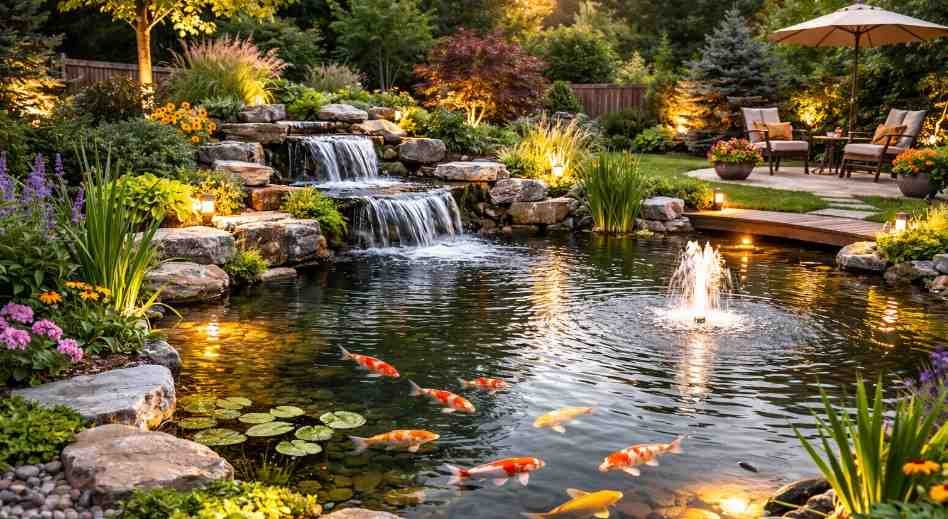
Building a backyard pond is one of the most rewarding home projects you can undertake. I vividly remember the first time I decided to transform my backyard into a tranquil water feature. I had visions of koi fish swimming through lush plants, the sound of trickling water, and an oasis where I could relax.
While it seemed like an overwhelming project at first, following a backyard pond construction guide made the process enjoyable and achievable. Whether you want a pond for wildlife, fish, or simply for its aesthetic value.
1. Planning and Preparation
Before you grab your shovel, it’s essential to plan your pond carefully.
Choosing the Right Location
Select a flat spot that gets 4-6 hours of sunlight daily. This is essential for the health of your plants.
Avoid Large Trees
Steer clear of areas under large trees. Falling leaves can clog filters, and tree roots may puncture the pond liner.
Proximity to Power and Water
Place the pond near a GFCI outlet for power and a water source for easy refilling.
Check for Underground Utilities
Always call 811 or your local utility hotline to check for buried gas, electric, or water lines before digging.
Determine Pond Purpose and Depth
- Wildlife Pond: 1-2 feet deep with sloping edges.
- Fish Pond: At least 2 feet deep for temperature stability.
- Koi Pond: 3-4 feet deep to protect from predators and temperature changes.
2. Excavation
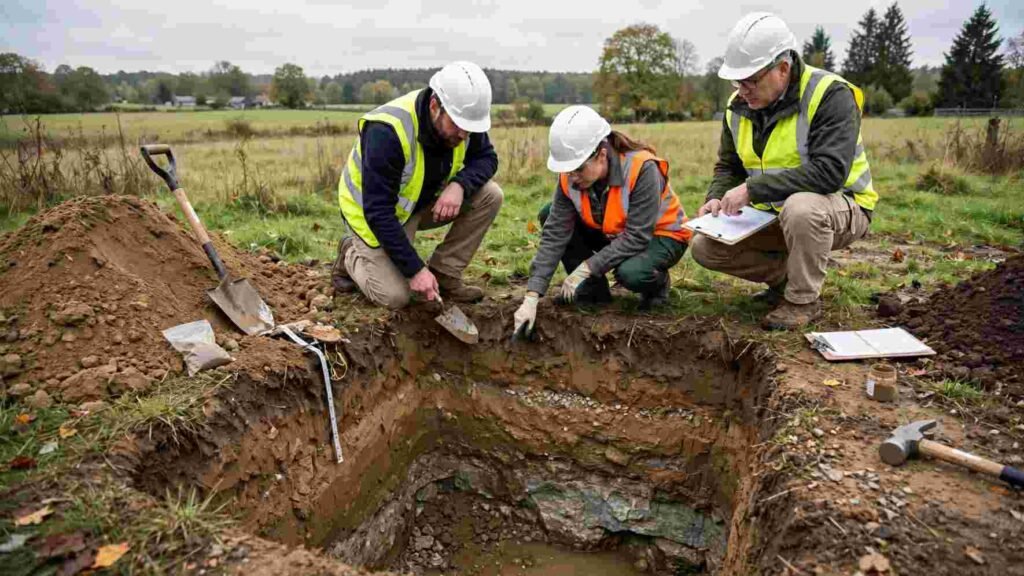
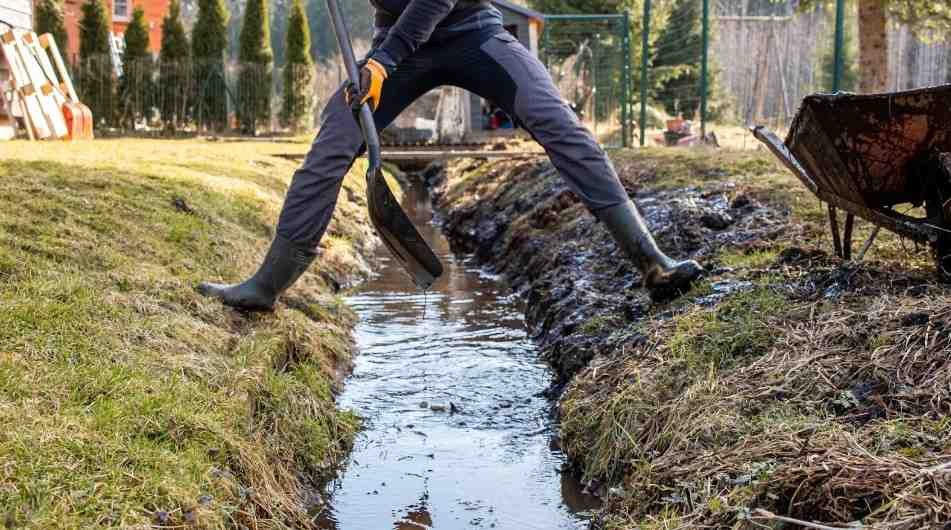
Excavating your pond is a vital step in its creation. Start by outlining the shape with a garden hose, rope, or marking paint. Whether you prefer a natural, free-form shape or a more structured design, marking the perimeter ensures accuracy.
Excavate the Shallow Perimeter
Begin by digging the shallow perimeter to around 12 inches deep. Then, create a deeper central basin to allow for plant shelves and easier maintenance.
Level the Edges
Use a spirit level and a straight board across the hole to ensure the edges are level. This will prevent water from spilling over and help your pond retain water properly.
Take Your Time
Be patient during this step. An uneven surface can cause leaks and uneven water distribution, so it’s essential to make sure everything is level and well-shaped.
3. Installation
Prepare the Pond Base
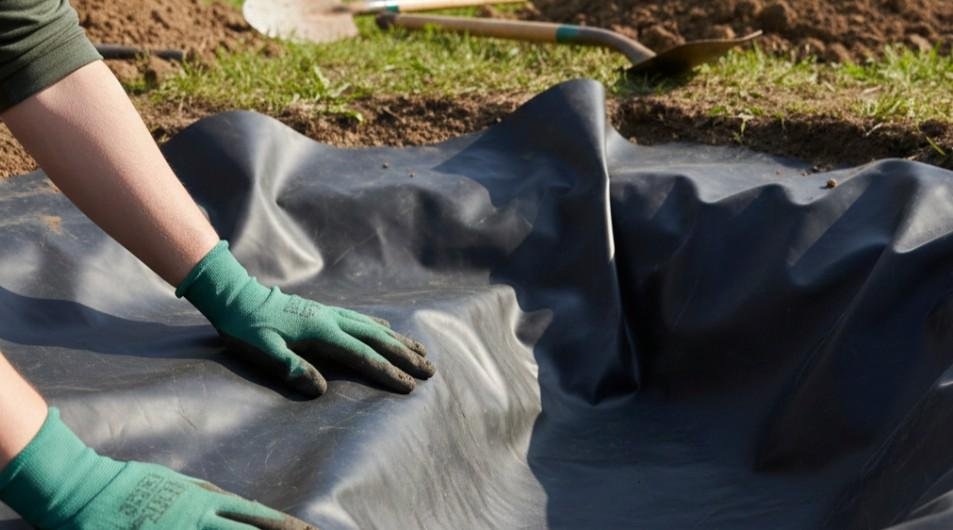
Once your pond is shaped, remove any sharp rocks or roots that could puncture the liner. Add a 2-3 inch layer of damp sand or pond underlayment to protect the liner from damage.
Lay the Pond Liner
Choose a durable and flexible liner, such as EPDM or butyl rubber. Drape the liner over the pond, ensuring a 1-2 foot overlap on all sides. This overlap ensures that the liner stays secure as you fill the pond.
Smooth the Liner
As you fill the pond with water, smooth out any wrinkles in the liner. This will help it fit snugly and naturally to the shape of the pond. Filling the pond slowly allows the liner to settle and conform.
Install the Equipment
Once the pond is filled, install the pump in the deepest area of the pond. Connect it to a filter or waterfall unit at the opposite end to ensure proper circulation and water movement.
4. Finishing Touches
Secure the Pond Liner
Start by securing the pond liner with large, flat rocks or pavers around the pond’s perimeter. Once the edging is in place, trim any excess liner for a clean, polished look that completes the pond’s appearance.
Add Aquatic Plants
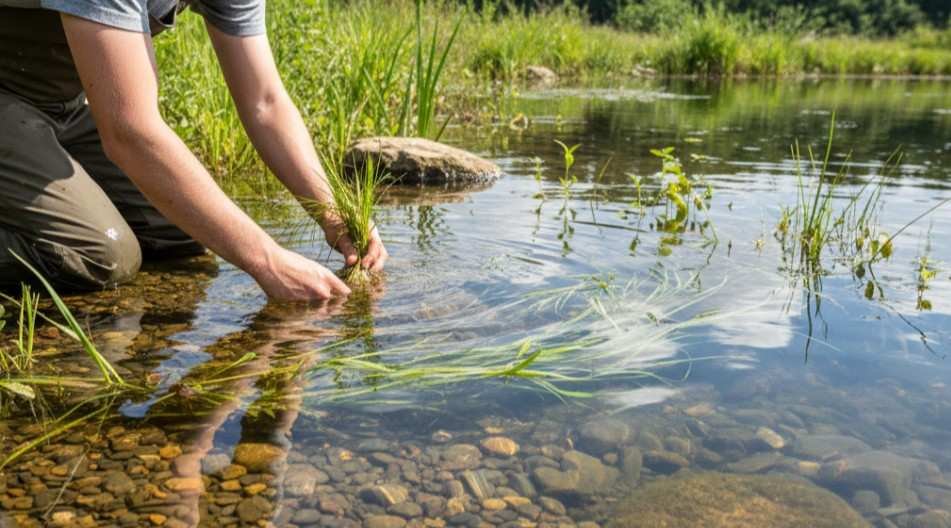
Introduce plants to your pond for beauty and balance. Choose floating plants like water lilies to provide shade and control algae growth. Add marginal plants, such as irises or cattails, to the shallow shelves, and incorporate submerged plants like hornwort to oxygenate the water. These plants will not only enhance the pond’s look but also support its ecosystem.
Check Local Building Codes
Before finishing up, check your local building codes. In some areas, ponds deeper than 18 inches may require a permit or safety fencing. Make sure your pond meets all local regulations to avoid potential issues in the future.
Frequently Asked Questions
1. How Much Does It Cost to Build a Backyard Pond?
The cost of building a backyard pond can vary depending on its size, depth, and the materials you choose. On average, a small DIY pond can cost between $500 and $2,500, which includes the liner, pump, filter, and plants. However, if you’re planning to install a larger pond with features like a waterfall, koi fish, and professional-grade equipment, the cost could range from $3,000 to $5,000 or more.
2. Can I Build a Pond Without Hiring a Professional?
Yes, you can build a pond yourself, and it’s a fun DIY project for any skill level. However, it’s important to be prepared for the work involved, such as digging, shaping, and installing the liner and equipment. If you’re unsure about any part of the process, consider consulting with a professional, especially for large or complex pond designs.
3. How Do I Maintain My Backyard Pond?
Maintaining your pond involves regular cleaning, checking water levels, and ensuring the pump and filter are working properly. You’ll also need to remove debris from the pond regularly, especially during fall when leaves are falling. Keeping plants healthy and managing algae growth is another essential part of pond maintenance. In colder climates, you’ll need to winterize your pond to protect your fish and plants during the colder months.
Your Dream Pond Is Within Reach
Building your own backyard pond may seem like a big project, but with this backyard pond construction guide, you can easily turn your vision into reality. From selecting the perfect location to adding the final touches, the process is both rewarding and fulfilling.
With careful planning and patience, your pond will become the centerpiece of your garden, providing years of beauty, tranquility, and wildlife. So grab your shovel, get started, design your garden makeover and soon you’ll be enjoying your very own peaceful water retreat!
Pro Tip: If you’re planning to add fish, wait a few days before introducing them into the pond. This allows the water quality to stabilize and ensures a healthier environment for your aquatic friends.