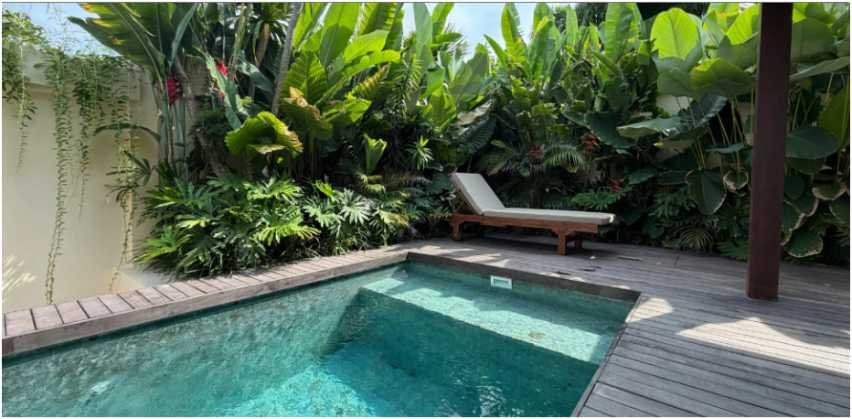
I’ve always believed that a garden is more than just a patch of green—it’s a reflection of personality, a space for relaxation, and, most importantly, a place where we can connect with nature.
So, when it came time to give my garden a makeover, I was determined to make it as beautiful and functional as possible. Let me walk you through how I did it—and how you can do the same!
Why Should You Consider a Garden Makeover?
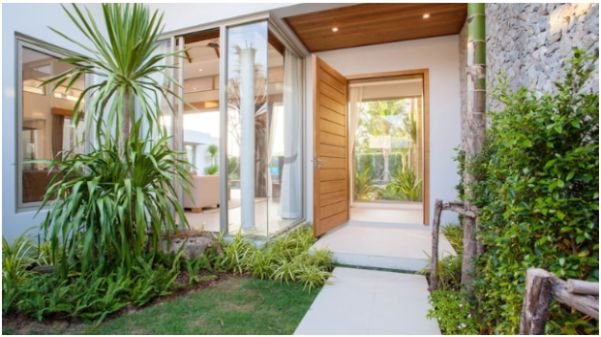
When I first started thinking about redesigning my garden, the main thing that kept coming to mind was how wasted the space felt. Sure, it had some nice plants, but nothing really stood out. It lacked structure, it wasn’t as functional as I wanted, and, honestly, it wasn’t as welcoming as I hoped. If your garden is feeling the same way, you’re not alone.
A garden makeover isn’t just about adding more flowers or shrubs. It’s about making smarter design choices that suit your lifestyle—whether you want a place to entertain, grow food, or just have a peaceful retreat. But where do you start? Well, let me share my process.
How Do You Start a Garden Makeover?
The key to designing a garden makeover is having a structured approach. I knew jumping straight into planting wasn’t the answer. First, I had to evaluate my space. Here’s how I tackled the planning process:
1. Evaluate Your Space: Look at What You’ve Got
The first step to redesigning your garden is figuring out what you’re working with. This meant paying attention to a few critical things in my own space:
- Sunlight: I made a note of which parts of my garden received full sun, partial shade, and deep shade. Certain plants need different light, so this was important in figuring out where to plant what.
- Soil Quality: Not every garden is made equal. Some areas had rich, loamy soil, while others were dry and sandy. Knowing your soil type helps you make the right plant choices.
- Existing Features: It was tempting to rip everything out, but I took stock of the things I wanted to keep—like a beautiful mature tree and some flowering shrubs that were already thriving. I also identified some “dead zones” in the garden that needed more attention.
Once you know what you’ve got, you can move on to the fun part—designing!
2. Define Your Garden’s Purpose and Style
I had a couple of goals for my garden: I wanted a space that felt inviting for guests, but also a peaceful place where I could unwind after a long day. So, I started thinking about how I wanted the space to work for me.
- Functionality: Did I need seating areas? A fire pit for cozy evenings? Raised garden beds for growing food? Or maybe a mix of everything? Deciding what I wanted to do with the space made a huge difference in shaping the design.
- Cohesive Style: I also thought about the style of my home. Since I live in a mid-century modern house, I wanted my garden to reflect that—clean lines, minimalism, and a calming color palette.
Incorporating a clear theme or style helped me choose everything from furniture to plant types.
How Do You Lay Out Your Garden Design?
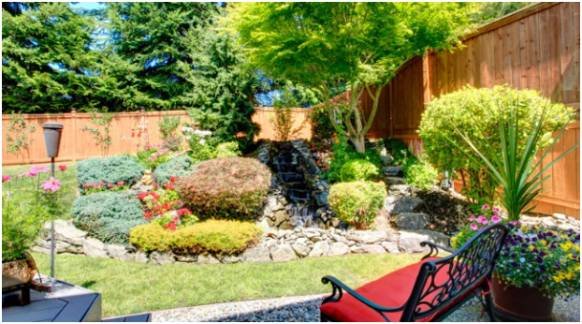
Once I knew what I wanted, I got to work on the layout. The garden was on the smaller side, so I had to make the most of the space without overcrowding it.
1. Sketching the Plan
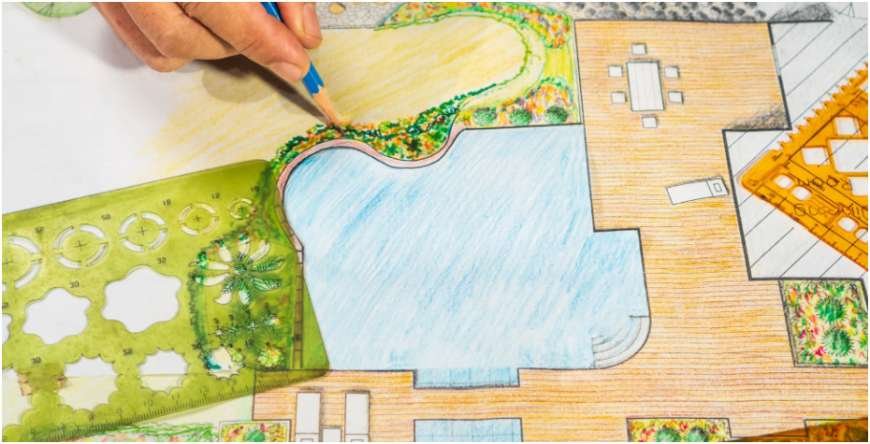
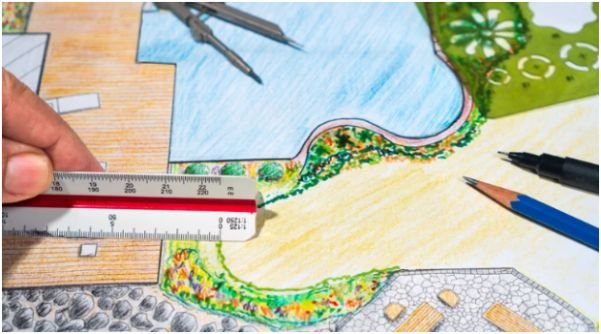
At this point, I couldn’t just rely on ideas in my head. I grabbed some graph paper and sketched out a rough layout. It didn’t need to be perfect, but visualizing it helped me see how everything would fit together. If you’re more tech-savvy, tons of garden design apps let you plan digitally!
2. Pathways and Focal Points
One of the biggest things I learned was the importance of flow. I made sure there were clear garden walkways through the garden (at least 2-3 feet wide) to allow easy access to different areas. Then, I added focal points—like a large ornamental statue or a beautiful tree that would draw the eye.
3. Use Vertical Space
For a small garden, this was a game-changer. Instead of only planting horizontally, I used trellises and climbing plants like ivy and roses. It added lush greenery without taking up valuable ground space.
What Are the Best Materials for a Low-Maintenance Garden?
No one wants a garden that requires hours of upkeep. I definitely didn’t, so I chose materials that would look great but also minimize maintenance.
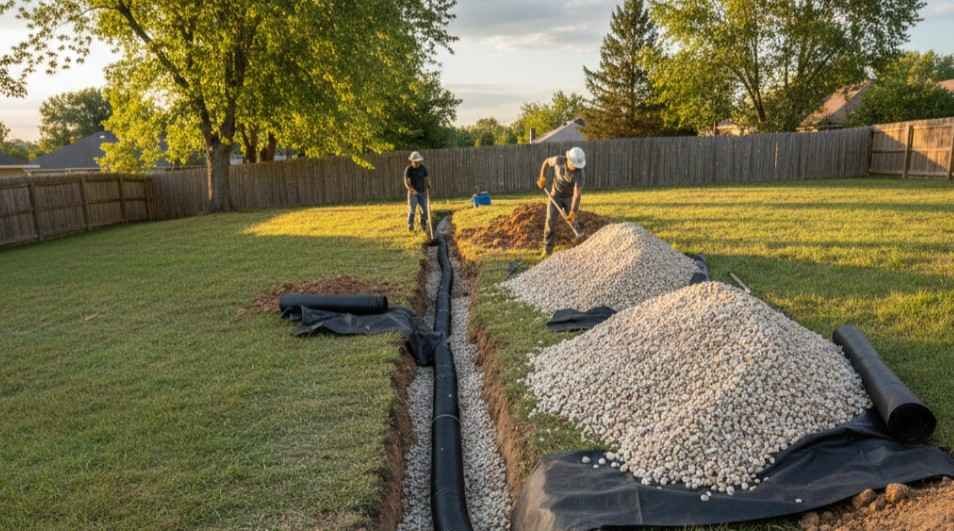
- Hardscaping: I swapped out grass for gravel and pavers. Gravel is great because it drains well, and large paving slabs meant fewer grout lines to clean.
- Mulch: A thick layer of bark mulch helped reduce weeds and kept the soil moist, so I didn’t have to water as often.
These materials made the garden easier to manage, and it still looked stylish.
How to Plant and Maintain Your New Garden
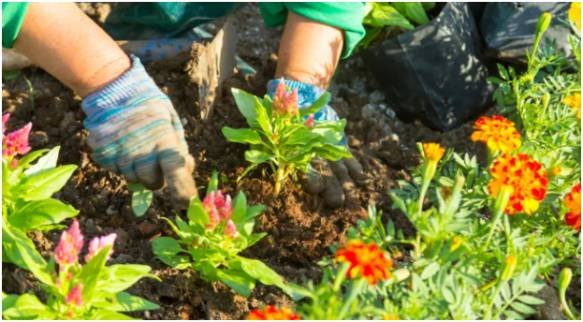
Finally, the planting part! Here’s how I approached it:
Step-by-Step How to Plant:
- Prepare the Soil: I mixed in organic compost to ensure the soil had the right nutrients for my plants to thrive.
- Plant the Right Plants: I picked plants that fit the conditions I had—drought-tolerant succulents for sunny spots, shade-loving ferns under the tree, and perennials like lavender for color.
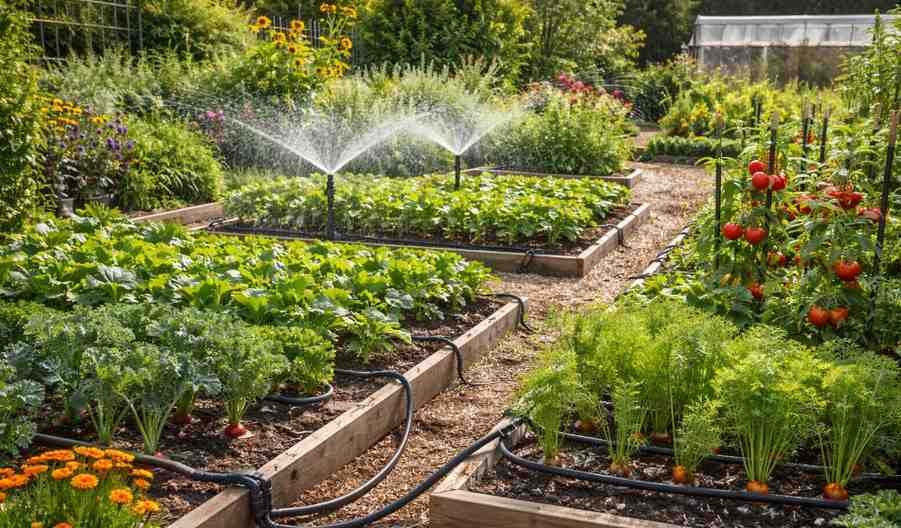
- Water Well: Right after planting, I gave everything a good watering to help the roots settle by installing garden irrigation system.
FAQ Section
1. How can I make my garden look bigger?
A great way to make a small garden feel bigger is to use vertical planting. Trellises or climbing plants like jasmine or ivy can add greenery without taking up valuable space on the ground. Also, using light-colored materials, like pale gravel or white planters, can create a sense of openness.
2. What plants should I choose for a low-maintenance garden?
Look for hardy perennials like lavender, marigolds, and succulents that thrive on neglect. These plants are resilient, require minimal watering, and come back every year. Additionally, evergreens like boxwood shrubs are great for structure and require very little attention.
3. How do I keep my garden healthy without spending too much time on it?
Mulch, mulch, mulch! Covering your soil with a thick layer of bark chips or gravel can help retain moisture and prevent weed growth. You’ll spend less time weeding and watering, and your plants will love it.
4. Should I use a garden planner?
If you’re designing a big garden makeover, I highly recommend using a garden planner—either digital or on paper. It helps you visualize the space and plan out where everything will go, making the design process much smoother.
And Now, for the Fun Part: Your Garden, Your Sanctuary
At the end of the day, a garden makeover is about creating a space you can truly enjoy. Don’t be afraid to experiment with styles, plants, and layouts that reflect your personality.
And most importantly, remember: gardening is a journey. Embrace the process, and take pride in every step. Trust me, the results will be worth it!
Key Takeaways:
- Start by evaluating your space and defining your garden’s purpose.
- Use layout strategies like square foot gardening and vertical planting to maximize space.
- Select durable materials and resilient plants to reduce maintenance.
- Plan your plantings for continuity and year-round beauty.
So, what are you waiting for? Your dream garden is just a plan away. Happy gardening!