
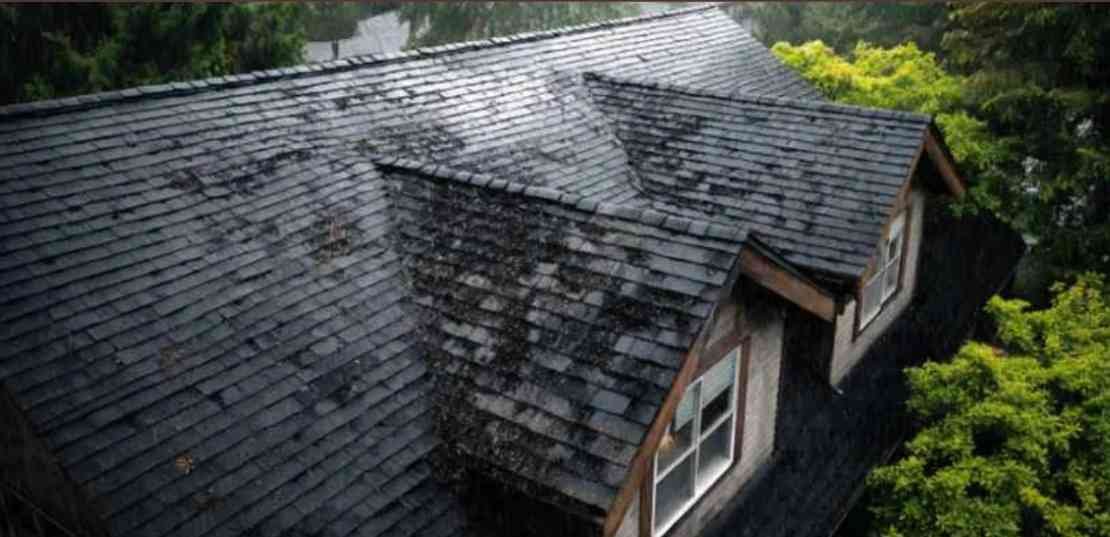
If you are searching for how to stop roof leaks, chances are you have already noticed water stains on your ceiling or dripping inside your home. A roof leak can quickly turn from a small inconvenience into major structural damage.
The good news is that you can take immediate steps to reduce damage and apply the right repair based on your roofing system. In this guide, you will learn how to identify the source of a leak, understand permanent repair options, and know when to call a professional.
Here is the deal: stopping a roof leak starts with accurate identification. Water often enters at one point and travels along rafters or decking before becoming visible inside. That means the visible stain is not always directly below the leak.
Understanding how to stop roof leaks early prevents mold growth, insulation damage, wood rot, and expensive interior repairs.
Key Takeaways
- Identifying the exact source is the first step in how to stop roof leaks effectively.
- Water stains inside the home may not appear directly below the actual leak point.
- Temporary fixes like tarps and sealants help reduce immediate water damage.
- Different roof types require different repair methods.
- Regular roof inspections and gutter cleaning prevent future leaks.
Why Roof Leaks Happen in the First Place
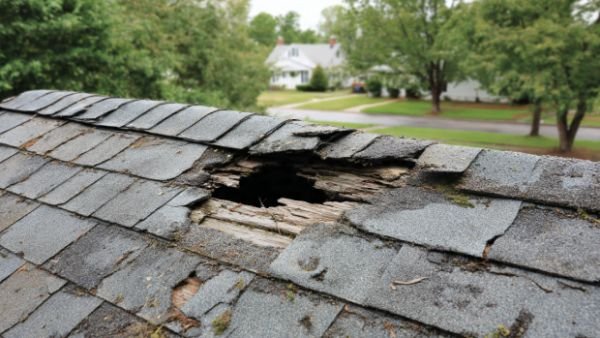
Roof leaks rarely happen without warning. Most are caused by wear and tear, storm damage, poor installation, or aging materials. Common causes include:
- Cracked, roof shingle, or missing shingles
- Damaged flashing around chimneys or vents
- Clogged gutters causing water backup
- Worn sealant around roof penetrations
- Rusted fasteners on metal roofs
Heavy rain and wind accelerate these problems. Over time, even small weaknesses allow water to seep beneath roofing layers.
How to Identify the Source of a Roof Leak
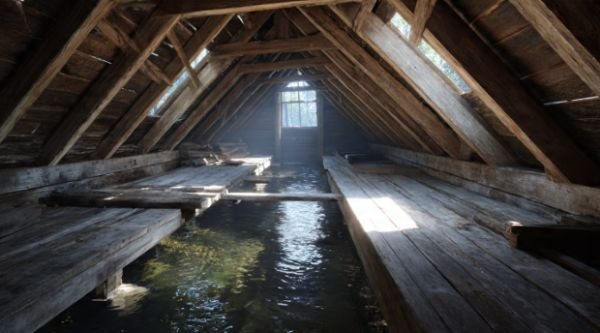
Before you attempt to stop a roof leak, you must locate the origin. Start inside your home. Look for:
- Water stains or discoloration on ceilings
- Peeling paint or bubbling drywall
- Causes of damp insulation in the attic
- Visible daylight through roof boards
Next, inspect the attic during daylight. Follow water trails along rafters. If safe, check the roof surface for obvious damage such as lifted shingles or cracked flashing.
Safety note: Wet roofs are slippery. If you are unsure, contact a licensed roofing contractor.
Emergency Steps to Stop Roof Leaks Immediately
When water is actively entering your home, quick action reduces interior damage. First, contain the water. Place buckets or containers under drips.
If the ceiling is bulging, carefully puncture the center to release trapped water in a controlled way.Second, protect belongings. Move furniture and electronics away from the affected area. Third, apply a temporary exterior fix if conditions are safe.
Applying Roofing Sealant
For small cracks or flashing gaps, apply silicone caulk or roofing cement. Clean and dry the area first. This is a short-term solution until permanent repairs are completed.
Using a Tarp for Temporary Protection
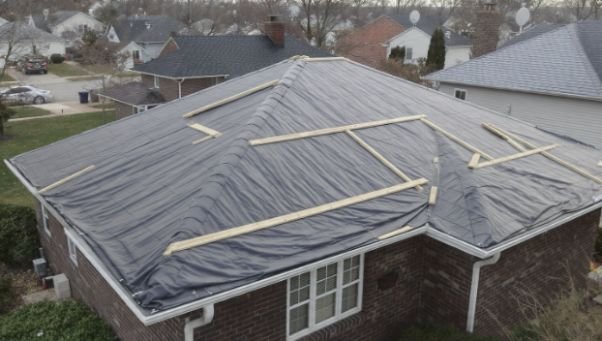
Cover the damaged section with a heavy-duty tarp. Extend it over the roof ridge to prevent water from flowing underneath. Secure it with screws and wooden boards. This method works best for shingle roofs during heavy rain.
How to Stop Roof Leaks Based on Roof Type
Different roofing systems require different repair methods, and repairing roofs & ceilings requires a coordinated approach to ensure both exterior damage and interior water impact are properly addressed.
Metal Roof Repair
Metal roof leaks usually occur around fasteners, seams, or penetrations. Replace deteriorated screws with new gasket fasteners. Apply sealant along overlapping seams. Remove rust before sealing.
Tile Roof Repair
Tile roofs rely on underlayment for waterproofing. If tiles are cracked, carefully remove them without damaging the underlayment. Inspect for tears or holes and repair with patching material before replacing tiles.
Flat Roof Repair
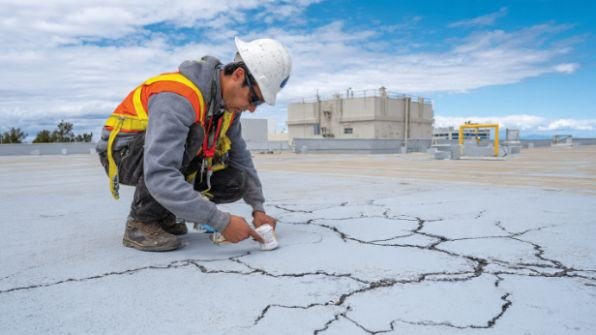
Flat roofs commonly leak due to pooling water or membrane cracks. Remove standing water. Clean the surface and apply compatible patching material. Ensure drains are not clogged.
Shingle Roof Repair
Replace missing or broken shingles. Lift surrounding shingles carefully and remove damaged pieces. Install new shingles and secure them with roofing nails. Seal nail heads with roofing cement.
Tools and Materials Needed for Roof Leak Repair
Having the right tools makes the repair process safer and more effective. You may need:
- Roofing nails and hammer
- Pry bar
- Roofing cement or silicone sealant
- Replacement shingles or fasteners
- Ladder with stabilizer
- Safety gloves and non-slip shoes
- Heavy-duty tarp
Always prioritize safety. If your roof is steep or high, professional assistance is recommended.
When to Call a Roofing Professional
Here is the elephant in the room: roof work can be dangerous. If you notice widespread damage, structural sagging, or persistent leaks after temporary repairs, call a licensed roofing contractor.
Professional roofers have proper harness systems, diagnostic tools, and experience to detect hidden moisture issues. Attempting complex repairs without experience may void warranties or create additional damage.
Preventing Future Roof Leaks
Prevention is more affordable than emergency repair. Schedule annual roof inspections. Clean gutters twice per year. Trim overhanging tree branches. Replace aging roofing materials before failure. Proactive maintenance significantly reduces the risk of sudden leaks.
Cost Considerations for Roof Leak Repair
Repair costs vary depending on severity and roof type. Minor sealant repairs are inexpensive. Replacing several shingles is moderate in cost. Large structural repairs or underlayment replacement can be more expensive.Early intervention always costs less than waiting for interior water damage.
Frequently Asked Questions
1. How do I temporarily stop a roof leak during heavy rain?
Use a heavy-duty tarp secured over the damaged area and extend it past the roof ridge. Inside, place containers under leaks and relieve ceiling bulges carefully.
2. Can roof sealant permanently fix a leak?
Sealant works for small cracks or flashing gaps, but larger structural issues require proper material replacement.
3. Is it safe to repair a roof leak by myself?
Small repairs on low-slope roofs may be manageable, but steep roofs or severe damage require professional help for safety reasons.
4. How much does it cost to fix a roof leak?
Costs depend on roof type and damage extent. Minor repairs are affordable, while extensive structural repairs cost more.
5. What is the most common cause of roof leaks?
Damaged shingles, faulty flashing, and clogged gutters are among the most common causes.
Protect Your Home with Proper Roof Leak Repairs
Learning how to stop roof leaks begins with identifying the source, applying immediate containment measures, and selecting the correct repair method for your roof type.
Temporary fixes such as tarping and sealants reduce short-term damage, but permanent repairs ensure long-term protection. Acting quickly protects your home’s structure, insulation, and interior finishes. If safety concern or damage appears extensive, consult a qualified roofing professional to complete the repair properly.