
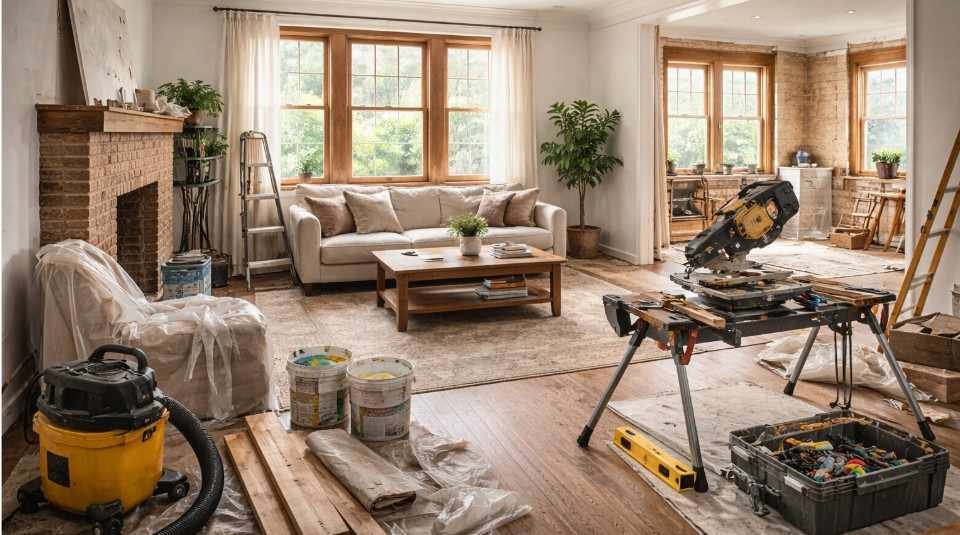
So, you’re finally ready to take the plunge and renovate your entire home? It’s an exciting yet overwhelming process, and trust me, I’ve been there! The thought of transforming your house into the home of your dreams can be exhilarating. But when it comes to the actual planning, it can feel like a never-ending checklist. That’s where this whole house renovation planning guide comes in to help you every step of the way.
Why Should You Plan Your Whole House Renovation?
A whole house renovation isn’t just about picking paint colors or choosing new furniture—it’s a massive project that requires serious planning. Without a structured approach, you risk going over budget, missing deadlines, or even compromising your vision. That’s why planning is everything!
The first thing to understand is that a detailed plan is your roadmap. It keeps the project on track and ensures you don’t miss crucial steps. Whether you’re adding a new kitchen, expanding your living space, or updating your entire home, having a well-thought-out renovation plan helps you tackle every challenge with confidence.
How to Start Your Whole House Renovation Planning

The first step in your whole house renovation planning guide is defining your vision. Ask yourself what you truly want from this renovation. Is it better functionality, more space, or simply a fresh new look? Once you know your goals, it’s time to create a plan.
Start by walking through each room and identifying the pain points—what needs fixing? Does your kitchen feel cramped? Are the bathrooms outdated? This step will help you prioritize your renovation and avoid making unnecessary changes later.
How to Set a Realistic Renovation Budget
Planning a budget is crucial for any renovation, especially when you’re tackling an entire house. Start by evaluating your financial situation and understanding how much you can afford to spend. Renovations are rarely cheap, but with careful budgeting, you can maximize every dollar.
It’s also important to factor in unexpected expenses. No one likes surprises, but in the world of renovation, they’re inevitable. Setting aside 10-20% of your budget for contingencies will help you stay prepared for those surprise plumbing issues or unexpected structural repairs.
What’s the Timeline for a Whole House Renovation?
A whole house renovation is no small task, and it requires careful time management. The timeline can vary depending on the scope of work, but most renovations take between 7 to 15 months. If you’re making major structural changes or customizations, it’s important to factor in time for approvals and lead times for materials like cabinetry or windows.
Start by breaking your renovation into manageable phases, with milestones to track your progress. Be sure to work with your contractor to create a realistic schedule, and keep an eye on important deadlines so you stay on track.
How to Assemble the Right Team for Your Renovation

A whole house renovation requires a team of skilled professionals to bring your vision to life. Start by hiring a general contractor, someone who can oversee the entire project and coordinate with subcontractors. You may also need an architect if you’re making significant structural changes, and an interior designer to help with the aesthetic elements of the project.
The key is to choose professionals with the experience and expertise that match your renovation’s scope. Don’t be afraid to interview several candidates, check references, and ensure they are licensed and insured.
How to Navigate the Design and Permitting Phases
Once your team is in place, it’s time to focus on design and permits. For a whole house renovation, you’ll need detailed plans, which can include everything from CAD drawings to 3D renderings. This helps ensure that everyone is on the same page and that no details are overlooked.
You’ll also need to secure permits for structural changes, plumbing, and electrical work. Most contractors handle the paperwork, but it’s important to make sure everything is in place before starting the work. Failing to get the proper permits can delay your renovation and cost you extra money in fines.
Step-by-Step Guide to the Construction Phases
The construction phase is where all the hard work really starts to show. During this phase, your contractor will break the renovation down into several stages, each with its own set of tasks. Here’s what you can expect:

- Demolition: The old structures are torn down to make room for the new ones.
- Structural & Mechanical Work: This includes framing new walls, installing electrical wiring, plumbing, and HVAC systems.
- Insulation & Drywall: This is when the walls are sealed and prepped for finishing.
- Finishing Touches: Painting, flooring, cabinetry, and fixtures are installed, turning your space into a beautiful new home.
Frequently Asked Questions
1. How Do I Find the Right Contractor for My Renovation?
Finding the right contractor for your renovation is essential. Start by checking online reviews and asking for referrals from friends or family. Be sure to interview at least three contractors and request estimates for the scope of your project. You’ll also want to verify that they’re licensed, insured, and experienced in handling large-scale renovations.
2. How Can I Save Money During My Whole House Renovation?
Saving money on a whole house renovation is possible with smart decisions. Consider tackling some smaller tasks yourself, such as painting or landscaping. You can also source materials from wholesalers or repurpose existing elements of your home. Don’t forget to shop around for the best deals on furniture and fixtures, and always compare contractor quotes before making a decision.
3. What Are Some Common Renovation Mistakes to Avoid?
One of the most common mistakes people make during a whole house renovation is not planning for the unexpected. Always include a contingency budget for unforeseen costs. Another mistake is neglecting to consider the resale value of your renovations. While it’s tempting to splurge on luxurious finishes, make sure the upgrades will appeal to future buyers if you plan on selling your home down the line.
Make Your Whole House Renovation a Success!
Renovating your entire house is no small feat, but with the right whole house renovation planning guide, you’re on your way to creating the home of your dreams. Remember, the key to success is in the details: define your vision, set a realistic budget, choose the right team, and stay organized throughout the process.
And my final tip: Be patient! Renovations take time, but the result will be well worth the effort. Stick to your plan, communicate openly with your team, and enjoy the transformation of your home. Happy renovating!