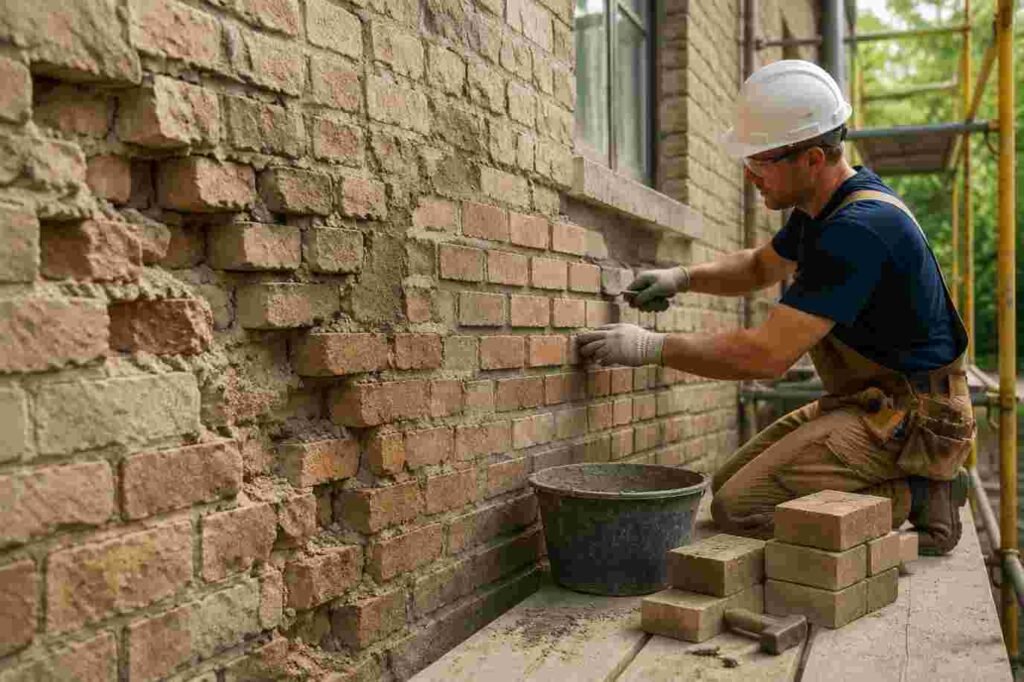

Home renovation projects can be thrilling, but let me tell you—nothing can prepare you for the whirlwind of challenges that come with it. I’ve been there, making every mistake in the book.
The excitement of transforming a space quickly turns into a series of headaches if you don’t avoid certain pitfalls. Now that I’ve learned from my mistakes, I want to share my hard-earned wisdom to help you navigate your renovation journey with ease and confidence.
Why Should I Care About Home Renovation Mistakes?
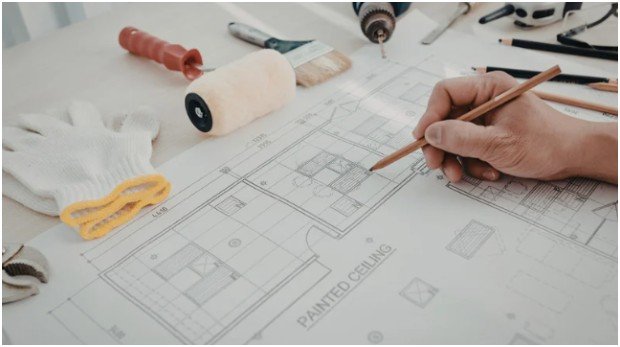
Here’s the thing: renovations can get messy. When it comes to tearing apart your house and putting it back together, you have to plan every step carefully. Otherwise, you’re in for a world of headaches—unforeseen costs, delays, and, worst of all, regrets.
That’s why understanding the top home renovation mistakes to avoid can save you time, money, and unnecessary stress.
1. Why Should I Avoid Skipping the “Master Plan” Phase?
When I first started my renovation, I thought I could just dive right in—who needs a plan, right? Wrong. A full remodel isn’t a bunch of random updates; it’s a carefully coordinated dance of design, structure, and function. Skipping the master planning phase is a surefire way to end up with mismatched designs, unexpected costs, and even safety issues.
What Went Wrong: I finalized my kitchen layout, only to realize it didn’t flow well with the new living room design I was envisioning. The result? I had to scrap a bunch of things halfway through the project.
What I Learned: A comprehensive “Master Plan” is crucial. Before you even think about picking out backsplash tiles or countertops, take the time to create a detailed plan that includes as-built drawings of your existing space and schematic sketches of your future layout. This helps with flow, functionality, and avoids costly redesigns down the line.
2. How Can Getting the Order of Operations Wrong Set Me Back?
This was one mistake I can’t stress enough: not following the right sequence in a remodel can lead to disaster. I had workers tearing down walls before knowing how the plumbing and electrical were going to fit. Guess what? Rework and delays.
What Went Wrong: I rushed into demo before all the systems were in place. That led to redoing electrical and plumbing work, adding unexpected costs.
What I Learned: Work must follow a strict sequence to avoid these kinds of setbacks. Start with structural work—foundation, roofing, and windows. Once the house is sealed, move to mechanical rough-ins like HVAC, plumbing, and electrical. After that, it’s time for insulation, drywall, and then finishes like flooring and cabinets.
3. Should I Really Underestimate the Cost and Timeline?
Oh, how I wish I’d planned my budget and timeline more realistically. Renovations take longer and cost more than you expect, especially when dealing with older homes. I learned this the hard way when I found myself scrambling for extra funds as my project dragged on.
What Went Wrong: I didn’t factor in the full cost of materials, permits, or those unexpected issues like outdated wiring and mold that needed immediate attention. On top of that, my timeline was way off, and it caused a ton of stress as we rushed to finish at the end.
What I Learned: It’s essential to set aside a 15-20% contingency fund for surprises, and always anticipate delays. Full remodels take time, and you should plan for at least 3-6 months. By setting a realistic budget and timeline, you can avoid the last-minute panic of rushing through low-quality finishes.
4. How Do Legal and Structural Inspections Factor Into My Remodel?
You might be tempted to skip out on structural inspections and permits to save time or money, but trust me, this is one mistake you do not want to make.
What Went Wrong: I didn’t realize how important structural assessments were. When I started removing walls without consulting a structural engineer, I ran into some serious issues that delayed the entire project.
What I Learned: Before making any structural changes, always get the proper inspections and permits. This is non-negotiable, especially if you’re relocating plumbing or adding rooms. Skipping these can lead to fines, or worse, having to tear down work that’s already completed.
How To Plan Your Home Renovation Without Going Overboard

Whole house renovation Planning a renovation doesn’t have to be stressful if you break it down into manageable steps. Here’s how I tackled my full-home remodel without losing my mind:
- Start with a Vision: Picture what you want from each room. Think about layout, style, and function.
- Hire the Right Professionals: A great designer and contractor team can make or break your renovation. I recommend using a design-build firm to ensure seamless communication between the two.
- Set a Realistic Budget: Don’t just budget for the basics—think about hidden costs like permits, labor, and potential structural work.
- Stick to the Plan: Follow the order of operations and avoid rushing. I stuck to the plan (mostly) and it made the whole process smoother.
- Don’t Forget Temporary Housing: If you’re gutting your home, consider finding temporary housing. I didn’t factor this into my budget, and it caused a lot of unnecessary stress.
FAQ: All Your Burning Home Renovation Questions Answered
Q1: How do I make sure my renovation stays on budget?
A: It’s all about building a cushion. Add 15-20% to your total budget as a buffer for unforeseen issues. Prioritize your spending on essentials and leave cosmetics for the end.
Q2: Should I handle DIY projects or hire a professional?
A: If you’re unsure, always hire a professional. For big tasks like plumbing, electrical work, or structural changes, never attempt to go it alone. Stick to simpler projects like painting or landscaping.
Q3: How long does a full-home remodel take?
A: A complete renovation typically takes 3-6 months, depending on the scope and size of the house. It’s crucial to set a realistic timeline and avoid rushing the project.
Q4: What’s the most common mistake homeowners make during renovations?
A: The biggest mistake is not planning properly. Skipping the master plan or ignoring structural inspections can lead to costly errors that could have been avoided.
Conclusion: Trust Me, You’ve Got This!
Home renovations can be overwhelming, but with the right planning, realistic expectations, and a solid team, you can avoid these common mistakes and transform your house into the dream home you’ve always wanted.
Don’t let the fear of mistakes stop you—embrace the process and learn from the bumps along the way.
Tip: Take it one step at a time, and remember, every project has its hurdles. Just keep your eyes on the end goal, and the results will be worth it.