Designing a building layout is about more than just fitting rooms into a footprint; it’s a strategic exercise in balancing lifestyle, efficiency, and future-proofing. A building layout influences how comfortable and practical a space will be for years to come.
Whether you’re building a home, office, or commercial space, adopting building layout design best practices ensures that your design serves its purpose today and remains relevant as your needs evolve.
What Are Building Layout Design Best Practices?
When we talk about building layout design best practices, we’re referring to principles that help create spaces that are both functional and comfortable. These practices focus on the flow of spaces, accessibility, and efficient use of available square footage. The goal is to design a layout that not only meets immediate needs but also adapts well to future changes.
One of the fundamental best practices in layout design is ensuring that each space serves a clear purpose. From defining public spaces like the living room to private areas such as bedrooms, understanding how each area will be used helps to minimize wasted space and maximize functionality. A thoughtful layout considers how people will move through a space, ensuring ease of access and comfort.
How Do You Design a Functional Building Layout?
Focus on Zoning for Functionality
The first step to a well-designed layout is zoning, which means dividing the building into distinct areas based on function. A basic layout generally includes three zones: active zones, private zones, and behind-the-scenes zones.
Active zones, such as the kitchen and living areas, are high-traffic spaces where people tend to gather. These spaces should be easily accessible from other areas of the building. Private zones, like bedrooms and bathrooms, should be tucked away from the bustle of the living and dining areas, providing a peaceful retreat.
Behind-the-scenes areas, like laundry rooms or utility spaces, should be placed in less visible spots, ensuring that they are functional but not disruptive to the main living areas.
Prioritize Circulation and Flow
Flow is a critical element in layout design. Good circulation ensures that people can easily move from one area to another without encountering obstacles. The traffic paths within a building should feel intuitive and direct.
Aim to avoid “dead-end” spaces or long corridors that can make a layout feel inefficient or isolating. Ideally, the layout should encourage circular flow, where rooms connect naturally, and movement through the space feels fluid and effortless.
I learned this lesson when planning my own home office layout. Initially, I had to walk through multiple rooms to reach the kitchen, which wasted time and felt disjointed. By adjusting the layout, I created a more efficient path, making the space more functional and comfortable.
How Do You Maximize Space Efficiency?
Use the Kitchen “Triangle” for Better Flow
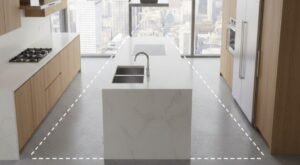
A well-known layout practice in kitchen design is the kitchen work triangle, which optimizes the relationship between the sink, stove, and refrigerator. This efficient layout minimizes unnecessary steps, making cooking and food preparation faster and more organized. Whether you have a small or large kitchen, adopting this layout can save you time and make your cooking area more pleasant to use.
I applied this principle when redesigning my kitchen. I made sure that the stove, sink, and refrigerator were in close proximity to one another, which drastically improved the cooking experience and kept everything I needed within arm’s reach.
Privacy Placement Matters
Another key practice is to carefully place private spaces, like bedrooms and bathrooms, away from the hustle and bustle of the home. This ensures privacy and reduces noise disturbances. Bathrooms, in particular, should not be visible from major social areas like the dining room or living room. Additionally, placing bedrooms away from high-traffic zones helps maintain a tranquil environment for rest.
When designing my home, I placed the master bedroom in a quieter part of the house, away from the main living areas. This small change made a huge difference in creating a relaxing atmosphere.
Plan for Ample Storage
It’s easy to underestimate the amount of storage you’ll need, but strategic storage is essential in any layout. More storage than you think is often necessary, especially in homes with families or in offices that require organization. Adding features like walk-in closets, mudrooms, or dedicated pantry spaces can help keep everyday clutter at bay.
For my own space, I made sure to include built-in storage solutions, such as shelves above the bed and drawers under the couch, which keep the space organized without compromising on style or comfort.
How Do You Plan for Flexibility and Future Needs?
Future-Proofing Your Design
One of the most important aspects of building layout design best practices is future-proofing. Our needs change over time, and a layout that adapts easily to new uses or changes in family size is crucial. Accessible design, such as wider doorways or a first-floor master suite, ensures that the space will be usable as mobility needs evolve.
When I designed my home, I made sure that the layout would be functional even if I decided to convert a guest room into a home office later on. This foresight saves time and money by preventing the need for major remodels in the future.
Multi-Functional Spaces
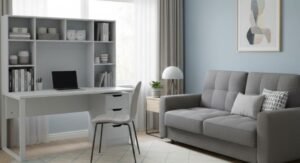
Designing rooms that can transition over time is another important practice. For example, a home office that includes a closet can later become a bedroom if needed. This versatility is especially valuable in small spaces or homes that may see changes in purpose over time.
For instance, I designed my living room to include a fold-down desk and a wall-mounted TV. The space can easily switch between a cozy movie night setting and a productive work area when needed. It’s a small change, but it makes the space incredibly adaptable.
Frequently Asked Questions
1. What’s the most important thing to consider when designing a building layout?
The most important thing to consider is functionality. Each space should be designed with its intended use in mind. By focusing on the purpose of each area, you ensure that the layout serves both practical and aesthetic needs.
2. How can I make a small space feel larger through layout design?
To make a small space feel larger, focus on vertical space. Use tall furniture and keep the floor clear to create the illusion of more room. Also, using light colors and mirrors can make the space feel more open and airy.
3. How do I ensure my building layout is future-proof?
To future-proof your layout, think about potential needs down the road. Accessible design, such as wider doorways or multi-functional rooms, can ensure that the space remains adaptable. Design rooms that can change purpose easily, so you don’t need major renovations in the future.
4. How can I improve the flow of my layout?
Improving the flow of your layout involves creating clear, intuitive paths through your space. Avoid placing furniture or walls in the way of high-traffic areas, and consider creating zones that define each space without the need for walls or partitions.
Design for Today and Tomorrow
Designing your building layout with best practices in mind is more than just a project. It’s an investment in creating a space that meets your needs today and in the future. From optimizing your kitchen layout for efficiency to ensuring your design is flexible for future needs, these practices will help you create a functional and timeless space.
Here’s a tip: Keep your design simple but intentional. Every decision you make should serve a purpose, and when in doubt, ask yourself how the layout will feel over time. The right design can make all the difference, so take your time to get it right!