When I first tackled my sloped backyard, I was overwhelmed with how to turn it into something both functional and beautiful. A steep incline meant water runoff, erosion, and the challenge of making it accessible without spending a fortune.
After hours of research and a bit of trial and error, I discovered some practical, creative solutions for landscaping for sloped yards. If you’re facing a similar challenge, don’t worry—by using the right techniques, you can transform your sloped yard into a stunning, usable space.
What Are the Structural Solutions for Landscaping Sloped Yards?
Transforming a sloped yard starts with structural solutions that ensure stability and manage erosion. These features are essential for creating flat spaces and preventing soil loss.
Retaining Walls: Essential for Erosion Control
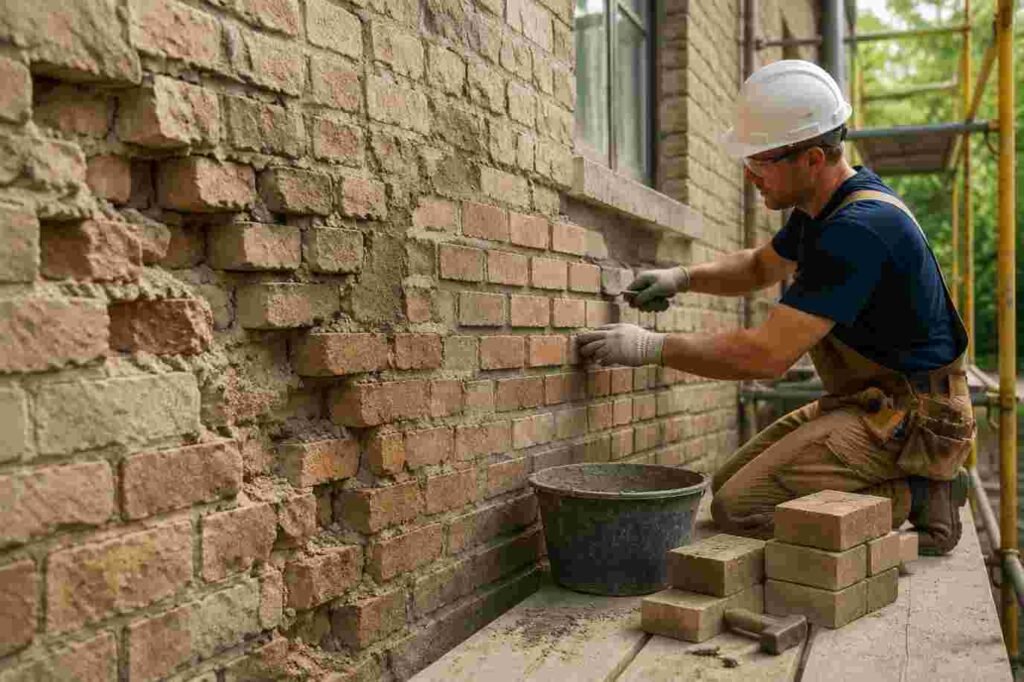
Retaining walls are often the first solution for steep slopes. These walls prevent the downhill movement of soil and provide flat spaces for planting. You can build them with materials like natural stone, brick, or concrete blocks, depending on your aesthetic preferences.
Retaining walls also allow you to divide your yard into distinct sections, adding visual interest and creating more usable space.
Terracing: Create Functional, Multi-Level Platforms
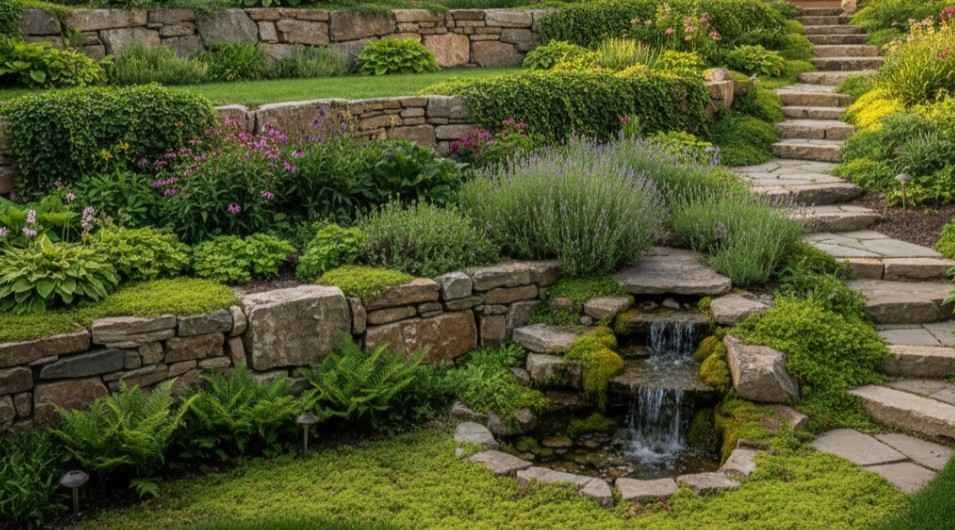
Terracing is a fantastic way to tackle steep slopes. By creating a series of “steps” along the hillside, you turn a once unusable slope into multiple levels that can be used for gardens, seating areas, or even play zones. This method works well for creating visual appeal while also stabilizing the soil and reducing erosion.
Multi-Level Decks: Floating Over the Slope
If you prefer a less invasive solution, a multi-level deck can be built directly over the slope. This method doesn’t require extensive grading and still provides a level area for outdoor activities. Floating decks are especially useful for creating a flat surface for dining or lounging without disrupting the natural landscape beneath.
How Do You Incorporate Low-Maintenance and Natural Ideas into Sloped Yards?
Sloped yards can often be tricky to maintain, but with the right choices, they can be both stunning and low-maintenance. Incorporating natural features not only helps with erosion control but also adds to the overall aesthetic of your yard.
Rock Gardens: Adding Natural Beauty and Stability
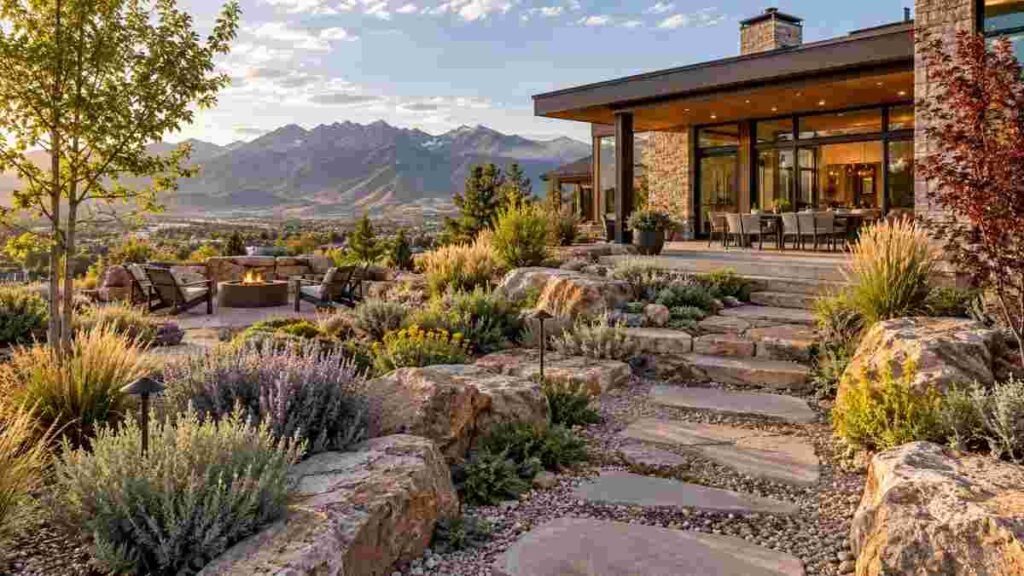
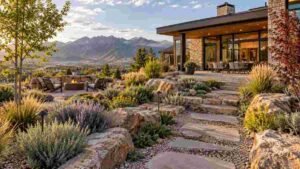
A rock garden is a great option for sloped yards, as it helps hold the soil in place while offering a rugged, natural look. Using different sizes of boulders and stones along with hardy, low-maintenance plants creates a striking landscape that’s easy to care for. The rocks naturally anchor the soil, reducing the risk of erosion caused by heavy rain or snow.
Native Plantings: Choosing Plants That Thrive on Slopes
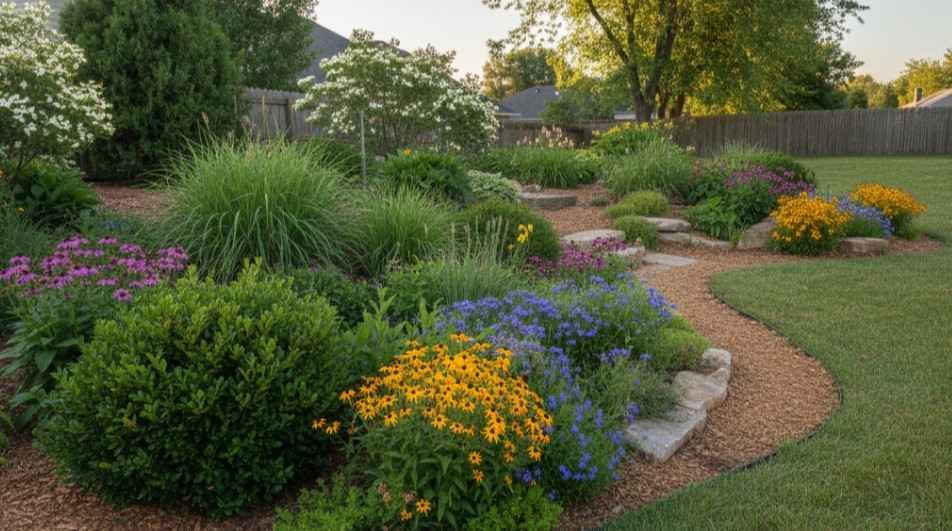
When landscaping for sloped yards, choose plants that are well-suited for such environments. Native plants like ornamental grasses or deep-rooted shrubs help stabilize the soil and are often more resistant to drought and pests. These plants typically require less maintenance and water, making them ideal for slopes.
Groundcovers: Low-Maintenance Plant Solutions
Fast-spreading groundcovers, such as creeping thyme, ivy, or sedum, are excellent for sloped areas. These plants quickly spread to cover the ground, forming a dense root mat that helps protect against runoff. They also add a lush, green appearance and are low-maintenance, requiring little more than occasional trimming.
How Can You Address Drainage Issues in Sloped Yards?
Managing water flow is crucial when landscaping for sloped yards. Without proper drainage, your slope could be prone to flooding, erosion or soil degradation. Here are some steps to improve drainage and protect your yard.
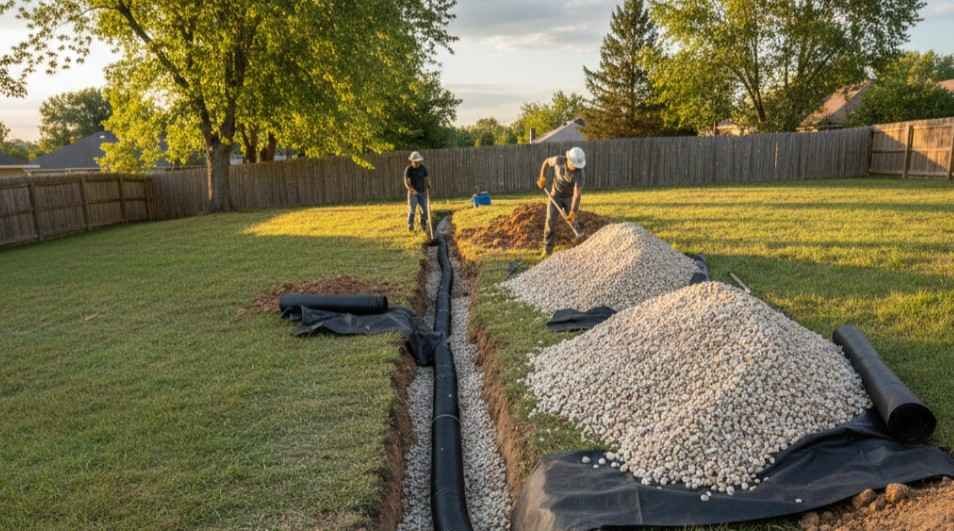
Diverting Water: Proper Grading for Water Flow
The key to proper drainage is grading. A minimum drop of 6 inches for every 10 feet of yard is recommended to direct water away from your home’s foundation and prevent puddling in lower areas. Use a shovel or a landscaping tool to create gentle slopes that lead water towards the appropriate drainage solutions.
Installing French Drains: Channel Water Away
French drains are one of the most effective ways to control water on a slope. By digging a trench along the slope and installing a perforated pipe, you can channel excess water to a safe area away from your yard. This prevents water from pooling on your slope and causing damage to the plants and soil.
Mulching: Prevent Erosion and Water Loss
Mulch helps stabilize the soil and retain moisture while also protecting your plants from the elements. Opt for fibrous mulch like shredded redwood or cedar, which binds together and resists washing away better than traditional wood chips. Apply a thick layer around plants and along the slope to help maintain soil integrity and keep moisture where it’s needed.
Frequently Asked Questions
1. Can I do landscaping for sloped yards by myself?
Yes! Many DIYers successfully landscape sloped yards by themselves. Start with smaller projects like adding groundcovers, mulching, and planting low-maintenance shrubs. For larger tasks, like building retaining walls or installing French drains, consider enlisting professional help to ensure long-term stability.
2. What plants are best for a sloped yard?
Plants with deep root systems, like ornamental grasses, native shrubs, and groundcovers, are ideal for sloped yards. These plants help prevent erosion and require less water, making them both sustainable and easy to maintain. Avoid plants with shallow roots, as they may not provide adequate soil stabilization.
3. How do I prevent erosion on my sloped yard?
To prevent erosion, incorporate terracing, build retaining walls, and plant groundcovers. These strategies help to stabilize the soil and reduce the movement of dirt during heavy rain. Mulching and using rocks for added stability also contribute to long-term erosion control.
4. How much does it cost to landscape a sloped yard?
The cost of landscaping a sloped yard varies based on the size of the yard, materials used, and whether you hire a professional. For a DIY approach, basic improvements like planting groundcovers and adding mulch can be affordable. Larger projects, such as building retaining walls or installing drainage systems, can be more expensive, so it’s important to plan accordingly.
Turn Your Sloped Yard Into a Showstopper!
Landscaping for sloped yards may seem like a daunting task, but with the right approach, it can become an exciting project that transforms your outdoor space into a stunning, functional area. From creating terraces to managing water drainage and selecting the best plants, these solutions help you make the most of your incline.
Remember, with some patience and planning, you can turn your sloped yard into a beautiful retreat that’s both practical and low-maintenance. So, grab your gardening gloves, and let’s make that slope work for you!