
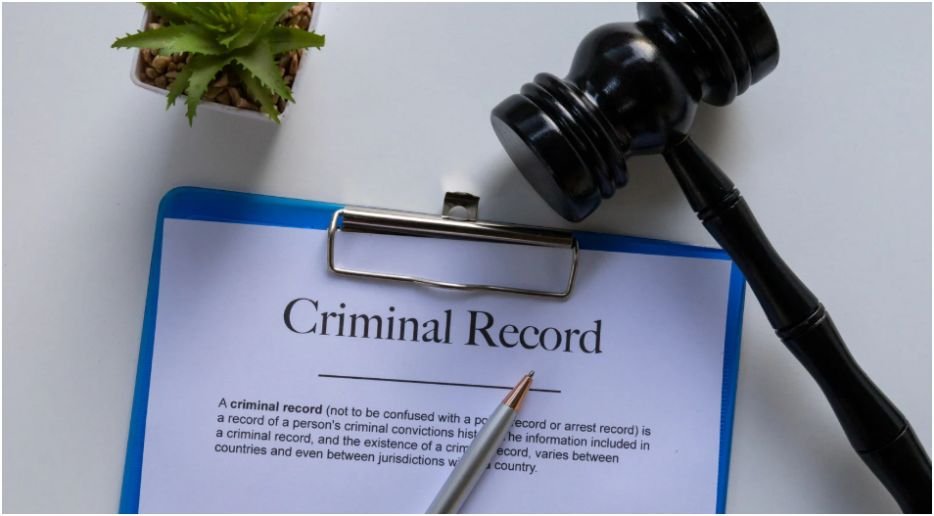
I never thought I’d spend my evenings researching court forms and state statutes, but life has a way of forcing you to learn fast. When someone close to me asked about how to expunge a criminal record, I realized most online advice felt cold, legalistic, and overwhelming.
So I broke it down the way I approach everything else in life: step by step, habit by habit, no drama. If you want real clarity on how to expunge a criminal record in the United States, I’ll walk you through it the way I would explain it to a friend over coffee.
Because this process isn’t just paperwork. It’s about reclaiming opportunities.
Why Does “How to Expunge a Criminal Record” Feel So Complicated?

When I first searched how to expunge a criminal record, I expected one national rulebook. Instead, I found 50 different systems.
Each state controls its own expungement laws. That means eligibility, waiting periods, and even definitions change depending on where your case happened. Some states destroy records. Others seal them. Some allow automatic “Clean Slate” expungements for minor offenses. Others require detailed petitions and hearings.
The federal system makes things even tougher. Federal expungement almost never happens. Outside of narrow situations like certain youthful drug offenses under the Federal First Offender Act, relief usually comes only through a presidential pardon. And even that doesn’t erase the record.
Once I accepted that this process runs state by state, it stopped feeling mysterious. It started feeling manageable.
What’s the Difference Between Expungement and Sealing?

This question confused me at first, so I’ll explain it clearly.
Expungement usually means the record gets destroyed or treated as if it never happened. In many cases, you can legally answer “no” when asked about that arrest or charge.
Sealing means the record still exists but stays hidden from public view. Employers and landlords won’t see it in background checks, but law enforcement and certain agencies still can.
Here’s a quick comparison that helped me keep it straight:
| Feature | Expungement | Sealing |
| Public access | No | No |
| Law enforcement access | Usually limited | Yes |
| Record destroyed | Often yes | No |
| Available in every state | No | More common |
Many states offer sealing but not full expungement. So when people ask how to expunge a criminal record, they often actually qualify for sealing instead.
Do You Even Qualify to Expunge a Criminal Record?

Before filing anything, I always tell people to slow down and verify eligibility. That step saves time and money.
In most states, arrests that didn’t lead to conviction qualify more easily. Dismissals and acquittals usually stand the best chance. Minor, non-violent offenses often qualify after a waiting period.
Serious felonies, violent crimes, and sex offenses rarely qualify.
States usually require you to:
- Finish probation or parole
- Pay all fines and restitution
- Avoid new arrests during the waiting period
- Wait a specific number of years
One detail surprised me: most courts require one petition per case. If someone has multiple cases, they usually must file separate petitions.
That’s not a small detail. It changes your timeline and cost planning.
How to Expunge a Criminal Record Step by Step (My Routine Approach)
When I helped someone organize their paperwork, we treated it like a project plan instead of a crisis.
Step 1: Confirm eligibility under your state’s law. I checked the state court website first. States like Maryland offer detailed guidance. Florida requires a Certificate of Eligibility before filing. California uses dismissal procedures for many convictions. Utah has Clean Slate automatic expungement for certain minor offenses.
Step 2: Gather certified records. We requested case disposition documents from the original court and arrest records from the law enforcement agency involved.
Step 3: Complete the petition form carefully. Accuracy matters. Even small errors delay processing.
Step 4: Pay the filing fee or apply for a fee waiver if income qualifies.
Step 5: Prepare for a possible hearing. Some judges review paperwork only. Others schedule hearings where prosecutors can object.
Step 6: Serve the order. If the judge grants expungement, you may need to deliver the signed order to police departments, probation offices, jails, and other agencies. The court does not always notify everyone for you.
That final step trips people up. Winning the order doesn’t automatically clear every database. Follow through.
What About Federal Criminal Records?
When someone asks me about federal expungement, I always set realistic expectations.
Federal expungement remains extremely rare. Congress never created a broad expungement statute. Relief usually comes through a presidential pardon. A pardon forgives the offense but does not erase the record.
So if your case happened in federal court, consult an experienced attorney before assuming expungement exists as an option.
State cases offer far more opportunities for relief.
How Long Does It Really Take to Expunge a Criminal Record?
I’ve seen timelines range from three months to over a year.
Processing time depends on:
- Court backlog
- Number of agencies involved
- Whether anyone objects
- State-specific procedures
Waiting periods before filing often take longer than court processing itself. Some states require two, three, or even five years after sentence completion.
Patience matters here. You can’t rush statutory waiting periods.
What Happens at the Hearing?
If your court schedules a hearing, show up prepared and respectful.
Judges look at your behavior since the offense. They want to see responsibility, stability, and growth. Bring proof of completed probation, paid fines, and steady employment if possible.
Prosecutors may object. Victims may have the right to speak in some jurisdictions.
I always advise people to treat the hearing as an opportunity to demonstrate change, not argue technicalities.
Frequently Asked Questions About How to Expunge a Criminal Record
1. Can I expunge a felony?
It depends on your state and the type of felony. Some states allow expungement of certain non-violent felonies after long waiting periods. Many states permanently exclude violent or sexual felonies. Always check your state’s statute directly. Don’t rely on general internet advice because eligibility changes frequently.
2. Do I need a lawyer to expunge my record?
Not always. Many states provide self-help forms and instructions. If your case involves multiple charges, complex history, or objections from prosecutors, a lawyer improves your chances. I suggest at least consulting an attorney for an initial review if the case feels complicated.
3. Can employers still see an expunged record?
In most cases, no. Expunged records typically disappear from public background checks. Sealed records also remain hidden from most employers. However, certain government agencies and law enforcement may still access sealed records.
4. How much does it cost?
Filing fees range from under $100 to several hundred dollars per case. If you hire an attorney, costs increase significantly. Some courts offer fee waivers for low-income applicants. Plan for certified document fees as well.
Key Takeaways on How to Expunge a Criminal Record
How to expunge a criminal record depends entirely on state law.
- Eligibility hinges on offense type, sentence completion, and waiting periods.
- Expungement differs from sealing.
- Federal expungement rarely exists.
- One petition usually covers one case.
- Follow through after approval to ensure agencies update records.
So…Ready to Close That Chapter?
When I first researched how to expunge a criminal record, I expected a legal maze. Instead, I found a structured process that rewards patience and responsibility.
You can’t change the past, but you can take control of how it shapes your future. Start by checking your state court website tonight. Confirm eligibility. Write down your waiting period. Gather your documents.
Small actions create momentum.
And momentum changes lives.
If you’ve waited long enough, this might be the season to clear your name and open the next door.