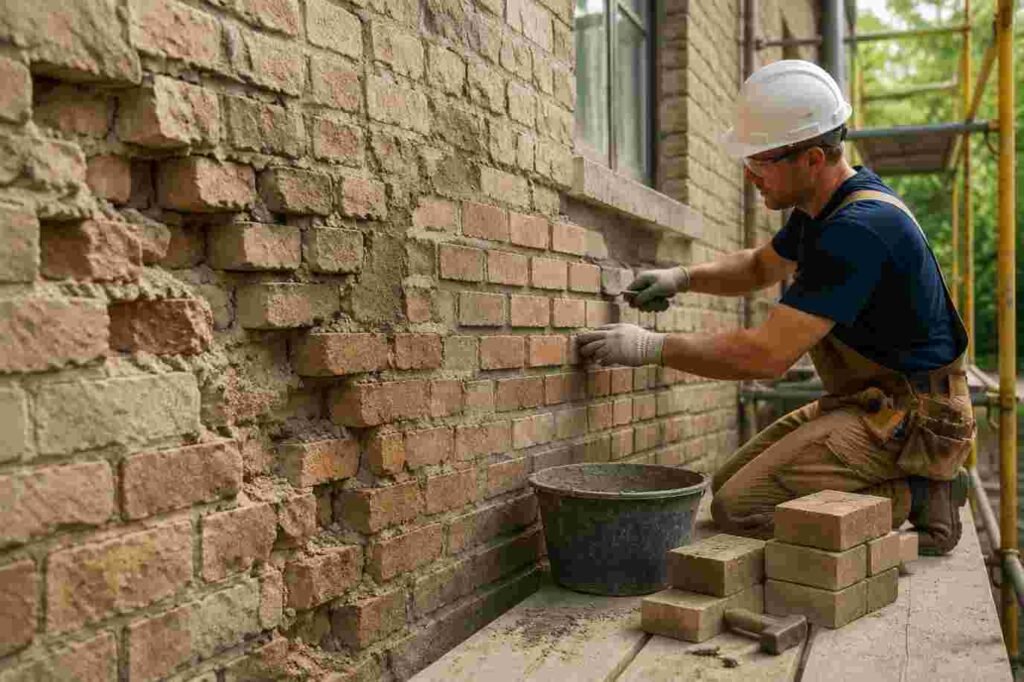

If you searched how to soundproof a room cheaply, you are probably dealing with traffic noise, neighbors, or voices passing through walls. The common mistake people make is trying to treat the wall surface instead of stopping the sound path.
Sound rarely travels straight through a wall because it escapes through tiny openings around doors, ceilings, windows, and floor joints. That is why expensive decorative panels often fail while simple sealing techniques work immediately.
In this guide you will learn how to soundproof a room cheaply using practical methods that reduce noise without construction work. You will also understand when soundproofing is effective and when the problem requires structural changes.
Key Takeaways
- Most noise enters through gaps, not walls
- Adding mass blocks sound while soft materials absorb echo
- Furniture placement works better than foam panels alone
- Layering multiple methods reduces noise significantly
- Complete silence is impossible but major reduction is achievable
Why Noise Easily Enters Rooms
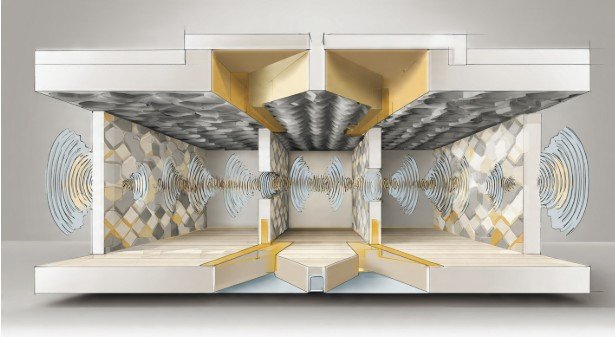
Sound behaves more like moving air than a solid object. Whenever a gap exists, the wave travels through it and spreads across the room. Airborne noise such as voices, television, and traffic moves through open pathways, while structure borne noise like footsteps and bass travels through building materials.
Blocking each requires a different strategy because absorption reduces echo inside a room while sealing prevents outside noise from entering.
Find the Noise Entry Points
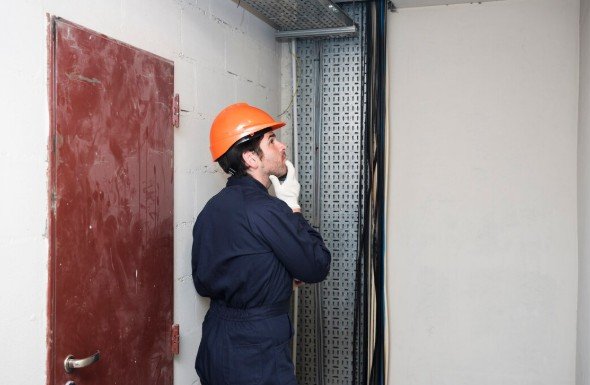
Before applying any materials, it is important to identify where sound actually enters. Most rooms leak noise in predictable locations. The bottom of a door is usually the largest opening in the room. Window edges allow continuous sound flow even when the glass is thick.
AC power plugs and sockets connect directly into hollow cavities inside walls, and ceiling joints transfer sound between floors. Solving these areas first produces immediate improvement.
Seal Air Gaps First
Sealing is the cheapest and most effective step in sound reduction. Closing the door frame using flexible sealing strips and blocking the bottom gap using dense fabric can noticeably reduce noise.
Around windows, a flexible sealant prevents sound from slipping through the frame edges. Small cracks and socket openings should also be filled because rigid fillers fail when the wall expands or contracts.
After sealing, many people notice a large difference even before adding any additional materials.
Add Mass to Block Sound
Sound loses energy when it hits dense objects, which is why thin decorative materials rarely work. Placing wardrobes or bookshelves against shared walls creates a natural barrier that slows incoming sound.
Heavy layered curtains over windows and even walls reduce airborne waves, and covering hard floors with rugs reduces vibration as well as reflection. Mass blocks sound entering the room while absorption controls how it behaves inside.
Absorb Echo Inside the Room
Echo increases the perception of noise even when the sound level remains the same. Soft materials convert sound energy into heat and prevent reflections.
Cushions, blankets, and upholstered furniture reduce speech frequencies effectively, while large textile wall coverings work better than decorative foam panels. Ceiling surfaces also reflect sound downward, so suspended fabric panels help improve quietness perception.
Rearrange the Room Layout
Distance reduces sound intensity quickly, and furniture arrangement changes how waves travel. Moving the bed away from shared walls, placing storage units along noise facing surfaces, and avoiding empty wall areas opposite the sound source can significantly reduce disturbance.
In many cases, repositioning items produces noticeable improvement without spending money.
Windows and Outside Noise
Traffic noise usually enters through windows rather than walls. Multiple layers work best because each layer weakens the wave. Curtains combined with blinds and interior window inserts reduce sound far more effectively than a single barrier. Even plants outside the window can scatter sound before it reaches the glass.
Ceiling and Floor Vibrations
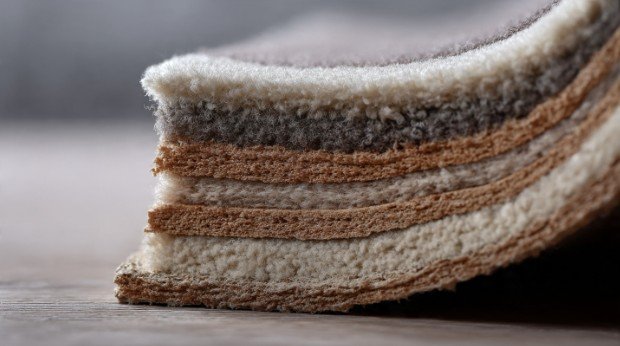
Impact noise travels through the building structure rather than air, so sealing gaps alone will not stop footsteps. Layered floor coverings, under rug padding, and filling ceiling cavities if accessible help reduce vibration transfer. Vibration requires cushioning and separation instead of simple sealing.
What Will Not Work
Many people expect silence after installing common materials and become disappointed. Thin foam panels do not block external noise, egg cartons do not soundproof rooms, and paint coatings cannot stop vibration.
These only change echo characteristics and do not prevent transmission understanding the echocardiogram and these only change echo characteristics and do not prevent transmission.
Preventing Noise Return
Soundproofing fails when only one method is used. Combining sealing, blocking, and absorption provides stable results. Closing gaps first, adding dense barriers second, and controlling reflections third creates long lasting improvement.
Realistic Expectations
No standard residential room can become completely silent. The goal is reducing noise to a comfortable level.
Low frequency sounds travel farther than high frequency sounds, nighttime quiet increases perceived loudness, and structural vibration cannot be fully eliminated without construction. Understanding these limits prevents wasted expense.
Maintenance
Seals should be checked periodically because building movement slowly reopens gaps. Replacing worn barriers early maintains consistent results and prevents noise from returning.
Frequently Asked Questions
1. Can I completely soundproof a room without renovation?
No. Complete silence is not possible in a normal residential building. You can significantly reduce noise to a comfortable level, but structural vibration and very low-frequency sound will still travel through the building.
2. What is the cheapest way to reduce outside noise?
Sealing air gaps around doors, windows, and sockets is the cheapest and most effective step. Most noise enters through openings rather than solid walls.
3. Do foam panels really soundproof a room?
No. Foam panels only reduce echo inside the room. They do not block outside noise because they lack mass.
4. Why does furniture help in soundproofing?
Large dense objects like wardrobes and bookshelves add mass, which weakens sound waves before they enter your room.
Soundproof Your Room Without Renovation
Understanding how to soundproof a room cheaply depends on construction methods and materials for noise control instead of covering walls. Sealing openings, adding dense barriers, and absorbing reflections together reduce disturbance dramatically.
When these methods are combined properly, simple techniques outperform expensive decorative treatments and create a stable quieter environment.