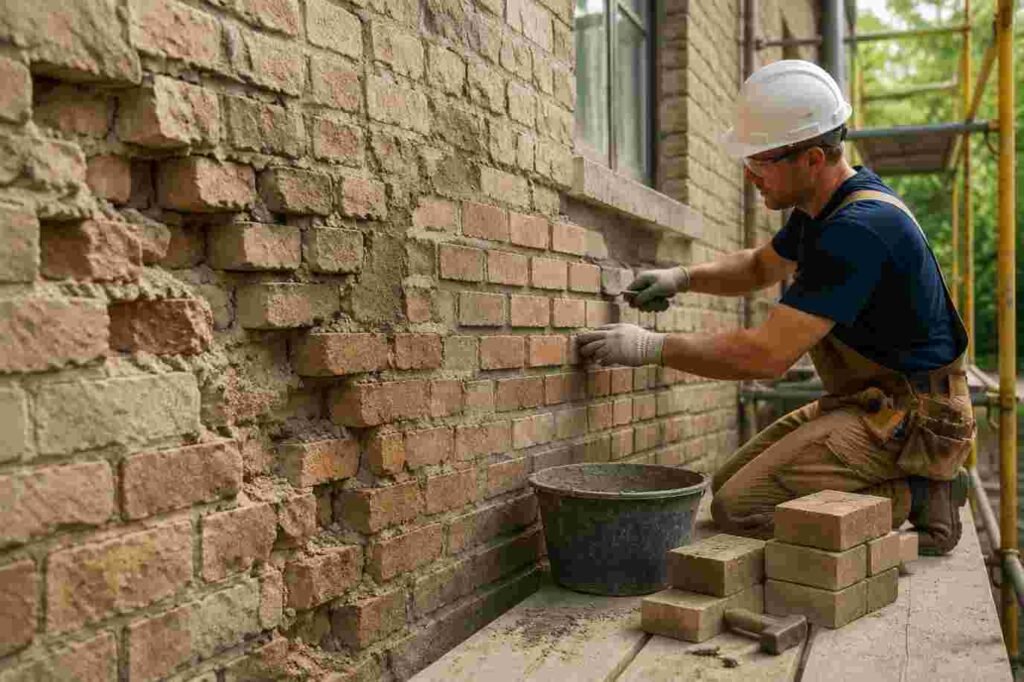

If you searched how to remodel without a contractor, you are probably trying to save money while keeping full control over your renovation. Many homeowners assume remodeling requires a general contractor, but legally you can act as an owner-builder in most places for your own residence.
The reality is simple: a contractor does not magically build your house. They manage planning, scheduling, materials, inspections, and workers. When you remodel without a contractor, you take over those responsibilities yourself.
This guide explains how to remodel without a contractor safely, legally, and efficiently while avoiding the common mistakes that cause budget disasters. You will learn what work you can do yourself, when to hire specialists, and how to manage a renovation like a professional project manager.
Key Takeaways
- Remodeling without a contractor means you become the project manager
- Common Planning mistakes cost more than labor mistakes
- Permits protect resale value, not just legality
- Cosmetic work is safest for DIY projects
- Electrical and structural work often require licensed experts
Understanding the Owner-Builder Role

A contractor coordinates specialists. When you remodel alone, you must manage design decisions, materials, labor scheduling, and legal approvals.
The biggest difference between success and failure is organization. Most DIY remodel failures happen not because of poor craftsmanship but because tasks happen in the wrong order.
For example drywall cannot be installed before electrical wiring inspection, and flooring should never be installed before painting. Knowing sequence prevents costly rework.
Legal Requirements and Permits

Before demolition, contact your local building authority. Many homeowners skip this step and regret it during resale because unpermitted work reduces property value.
Permits do not exist to create fees. They create proof the house is safe. Future buyers and inspectors rely on this documentation to trust the property.
Typical projects requiring permits include structural wall changes, plumbing relocation, electrical rewiring, window resizing, and HVAC modifications. Painting, flooring replacement, cabinet changes, and fixtures usually do not require approval.
Always schedule inspections during rough-in and completion stages because passing inspection protects future appraisal value.
Planning the Remodel Correctly
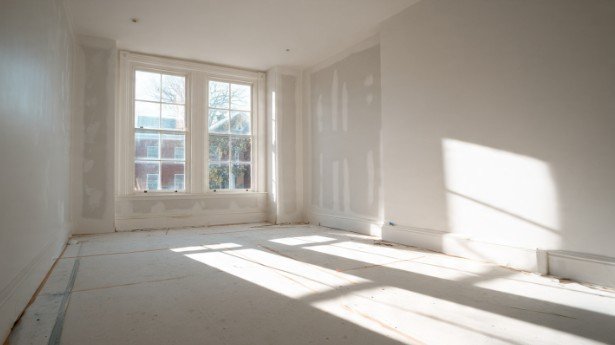
Every successful renovation begins on paper, not with demolition tools.
Measure the entire space including wall height, door clearance, appliance dimensions, and walking space. Most budget overruns happen because homeowners guess measurements and purchase incompatible materials.
Create a simple layout drawing showing furniture, electrical points, and lighting placement. This prevents drilling or cutting mistakes later.Material selection must happen before work starts. Waiting to choose tiles or fixtures during construction delays workers and increases cost.
Budgeting Without Surprises
A useful rule is dividing the budget into three parts: materials, labor help, and contingency. The contingency fund prevents panic decisions when unexpected issues appear.
Hidden problems appear in almost every renovation including uneven floors, damaged wiring, or moisture damage. Planning for these keeps the project calm and controlled.
Buying cheap materials to save money often increases cost because replacement labor becomes necessary. Durable mid-range materials create the best long-term value.
Tasks Safe for DIY Work
Some work is ideal for homeowners because risk is low and the learning curve is manageable.
Painting walls, installing shelves, replacing handles, assembling cabinets, installing laminate flooring, landscaping, and demolition are practical DIY tasks. These improve appearance without affecting safety systems.
Demolition is especially valuable because removing old materials yourself saves large labor costs while requiring minimal skill.
Work That Needs Professionals
Certain tasks affect safety and insurance validity. Electrical panel work, gas line changes, major plumbing relocation, and structural beam changes should involve licensed specialists.
You can still manage the project and hire these professionals only for specific tasks instead of full contractor service. This hybrid method provides safety while keeping control.
Hiring specialists only when required is the core strategy behind remodeling without a contractor successfully.
Scheduling Workers Efficiently

Renovation follows a strict order: demolition, structural engineering, plumbing, electrical, inspection, insulation, drywall, painting, flooring, fixtures, finishing.
Incorrect scheduling wastes money because workers cannot perform tasks simultaneously. For example flooring installers cannot work before painters finish.Create a timeline calendar before starting. Even simple scheduling reduces project duration significantly.
Material Management Strategy
Order materials early and store them safely. Delays usually occur when items arrive late or incorrect.Check every delivery immediately. Discovering damaged tiles after installation day causes long waiting periods and labor rescheduling.
Keep extra material for repairs because future matching products may not exist.
Avoiding Common DIY Remodeling Mistakes
The most common mistake is starting demolition without full planning. This leads to rushed decisions and expensive corrections.Another mistake is over customization. Unique design choices reduce resale appeal because future buyers prefer neutral spaces.
Finally, never rush drying times for paint, adhesives, or sealants. Most failures happen due to impatience rather than poor technique.
Safety and Documentation
Photograph plumbing and wiring before closing walls. These records help future repairs and reassure buyers.Keep receipts, permits, and inspection approvals organized. During property sale, documentation increases trust and property value.
Safety equipment such as gloves, masks, and eye protection prevents injury and should always be used during demolition and cutting.
Final Walkthrough and Quality Check
Before considering the remodel complete, inspect alignment, doors, water flow, electrical outlets, and ventilation. Small corrections at this stage prevent long-term care and frustration.
Testing every system ensures the renovation functions correctly rather than only looking finished.
Frequently Asked Questions
1. Can I remodel my house without hiring a contractor?
Yes, homeowners can act as owner-builders and manage the renovation themselves, but permits and inspections are still required for structural, plumbing, and electrical work.
2. Will DIY renovation affect resale value?
Only if work is unpermitted or poorly done. Proper documentation and inspection approvals maintain or even improve resale value.
3. How much money can I save by not hiring a contractor?
Usually around 15%–35% of total renovation cost, depending on how much labor and project management you handle yourself.
4. What renovation work should not be done DIY?
Electrical panels, gas lines, structural changes, and major plumbing relocation should always be handled by licensed professionals.
5. What is the biggest mistake in DIY remodeling?
Poor planning and wrong work order. Starting finishing work before wiring, plumbing, or inspections often causes expensive rework.
Remodel Your House Without a Contractor
Learning how to remodel without a contractor is less about construction skill and more about management discipline. When you plan carefully, follow legal steps, schedule correctly, and hire specialists only where necessary, you gain the financial advantage of DIY without risking safety.
A successful owner-builder project depends on preparation, documentation, and patience. When executed properly, remodeling without a contractor produces professional results while preserving budget control.