
As a professional in any field, tools are your lifeline. I remember the first time my favorite drill started acting up mid-project—an absolute disaster. I hadn’t given it the care it needed. That day taught me a valuable lesson: maintaining your tools is more than just an afterthought; it’s a crucial part of your workflow.
I’ll share expert tool maintenance tips for professionals that’ll keep your equipment in peak condition, extend its lifespan, and improve your productivity. You could be handling hand tools or power tools, these tips will ensure your gear works as hard as you do.
Core Maintenance Routine: The Backbone of Tool Care
Create your own maintenance routine for tools:
Clean Your Tools After Every Use
Cleaning your tools after every use may sound like a small task, but it’s vital for maintaining their performance. Dirt, grease, and debris can cause friction, rust, or internal damage if left unchecked.
For hand tools, simply wipe them down with a damp cloth or non-abrasive sponge. Use a bit of degreasing soap for tougher grime. For power tools, compressed air is your best friend. Blow out any dust or debris from vents and moving parts to prevent overheating and maintain smooth operation.
Regular cleaning reduces the wear and tear on your tools and ensures they stay ready for the next project.
Regular Lubrication is Crucial for Tools
Lubricating your tools is key to reducing friction and preventing unnecessary wear. Over time, the moving parts of your tools can suffer from friction, which slows performance and causes damage.
Each tool has its own lubrication needs. Pneumatic tools (like air compressors) require daily oiling, while electric tools may only need periodic grease for gears. Always apply manufacturer-recommended lubricants to ensure proper maintenance and avoid mishaps.
Lubrication makes a huge difference in keeping your tools working smoothly, which is essential for both performance and safety.
How to Prevent Rust on Your Tools
Rust can ruin your tools if you’re not careful about drying them properly after use. Moisture is the enemy, and it can quickly corrode metal parts, making them unsafe or inefficient.
To prevent rust, ensure your tools are completely dry before storing them. After cleaning, apply a light coat of machine oil or a rust inhibitor like WD-40 to protect metal surfaces. This simple step prevents moisture from seeping in and causing damage, especially in humid or fluctuating temperatures.
Specialized Care for Professional Tools: Ensure Precision and Durability

Perform Electrical Checks on Power Tools
Electrical failures account for a significant percentage of power tool accidents. Regular checks are essential to ensure safety and performance.
Start by inspecting power tool cords for fraying or exposed wires. Check the grounding prongs for damage. Always test electrical components before use, and never ignore frayed cords. Replace them immediately to avoid shocks or malfunctions. These small checks ensure the safety and longevity of your tools.
Calibration is Important for Precision Tools
Tools like torque wrenches, levels, and miter saws require calibration to maintain their accuracy. Regular calibration according to the manufacturer’s guidelines ensures that your tools stay precise, which is crucial for professional work.
Check for any inconsistencies in measurement and recalibrate your tools at least once a season or when you notice a drop in performance. This will keep your work accurate and prevent costly errors in your projects.
How to Care for Cordless Tool Batteries
Cordless tools are fantastic for mobility, but their batteries require proper care to maintain capacity and longevity.
Safely store Lithium-ion batteries in a cool, dry place and avoid letting them discharge completely. Ideally, use them at least once every couple of months to maintain optimal performance. Proper storage prevents battery degradation, saving you from having to replace them prematurely.
Professional Storage Strategies: Keep Your Tools Safe and Accessible

Climate Control Matters for Tool Storage
Storing your tools in the right environment is just as important as cleaning and lubricating them. Tools exposed to extreme temperatures or humidity can develop rust, corrosion, or malfunction over time.
Store your tools in a dry, temperature-controlled space to prevent moisture buildup and condensation. This reduces the likelihood of rust and keeps your tools in top shape, ready for any job that comes your way.
Protect Your Tools from Moisture
Moisture can sneak into toolboxes, causing rust and corrosion. To keep moisture at bay, consider using silica gel packs in your toolboxes. They absorb excess humidity, keeping the air inside your storage dry.
For larger workspaces, invest in a dehumidifier to control the moisture levels in the air. These small steps can make a big difference in preserving the quality and function of your tools.
Organizing Your Tools for Easy Access
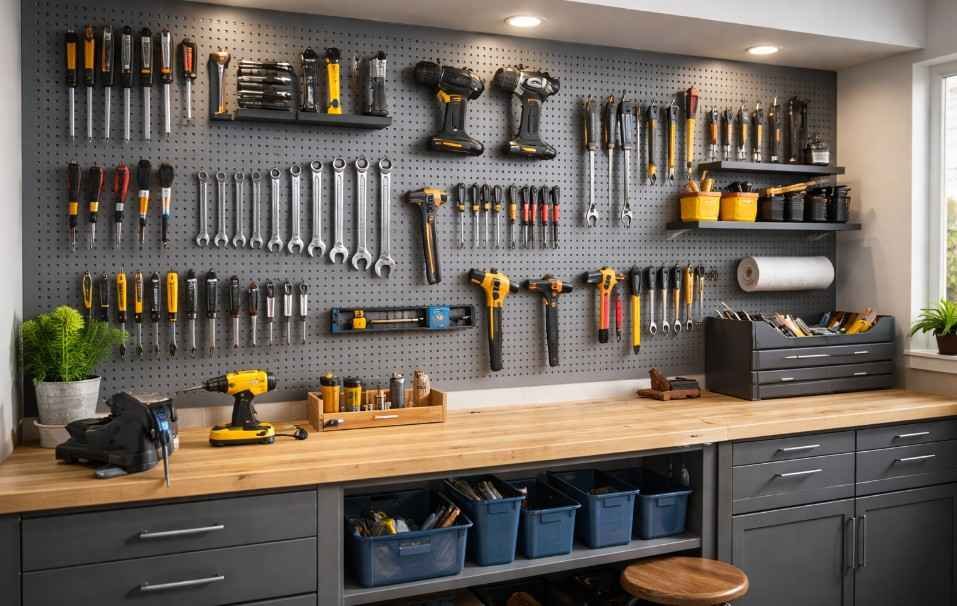
Tool organization is key to keeping your workspace efficient and preventing damage. Use pegboards, foam inserts, or dedicated cases to store your tools. This prevents tools from clattering together, which can cause nicks and scratches.
Proper organization also allows you to quickly access the right tool for the job, saving you time and frustration. Whether you use a traditional toolbox or a custom-built storage system, make sure everything has a designated spot.
Tool Maintenance Schedule: Keep Track of Your Routine
Having a structured schedule for tool maintenance ensures that everything gets the attention it needs, without falling through the cracks.
| Frequency | Tasks |
| Daily | Clean debris, visual inspection for damage, oil pneumatic tools. |
| Weekly | Detailed inspection of high-use tools, hydraulic fluid checks. |
| Monthly | Electrical system inspections, battery contact cleaning, wooden handle oiling. |
| Seasonal |
Deep cleaning, full-set sharpening, calibration checks, and rust removal. |
This schedule is a great way to stay on top of tool maintenance and ensure you’re not caught off guard when you need your tools the most.
Frequently Asked Questions (FAQ)
1. How often should I perform tool maintenance?
Tool maintenance frequency depends on the type of tool and how often it’s used. For hand tools, a quick cleaning after every use is essential, while power tools may need more detailed checks weekly or monthly.
2. Can I store tools in my garage during the winter?
It’s best to store tools in a climate-controlled environment. If you must store them in the garage, ensure that the space is dry and doesn’t experience significant temperature fluctuations that could cause condensation and rust.
3. What should I do if my tool starts to malfunction?
If a tool malfunctions, first inspect it for visible damage or loose parts. Everything appears intact, check the power source (battery or cord). If the problem persists, refer to the manufacturer’s troubleshooting guide or take it to a professional for repair.
Show Your Tools Some Love!
Maintaining your tools might not be the most glamorous part of your job, but it’s one of the most important. By following these tool maintenance tips for professionals, you’re not only extending the life of your tools but also ensuring that they’re performing at their best every day.
A little effort now can save you time, money, and frustration down the road. So go ahead—tune up those tools, and let them work as hard as you do!