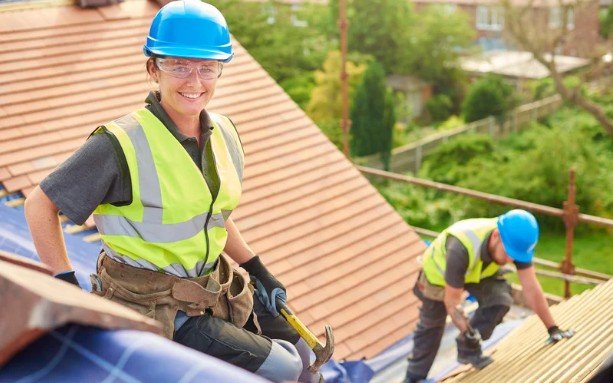

If you searched how to increase home resale value, you are likely preparing to sell your property or planning future investment safety. Most homeowners believe expensive renovations automatically raise prices, but buyers do not evaluate cost.
They evaluate confidence. A buyer pays more when the home feels safe, functional, and easy to maintain. A property that looks complicated, customized, or risky lowers offers even if money was spent on it.
This guide explains which upgrades influence buyer psychology, which improvements provide real return, and which renovations silently reduce profit. By the end you will know how to increase home resale value without unnecessary construction.
Key Takeaways
- Lighting makes rooms feel bigger and newer
- Minor kitchen and bathroom updates work better than full remodels
- Repairs increase value more than decoration
- Neutral design attracts more buyers and higher offers
- Energy efficiency raises long-term appeal
What Determines Property Selling Price
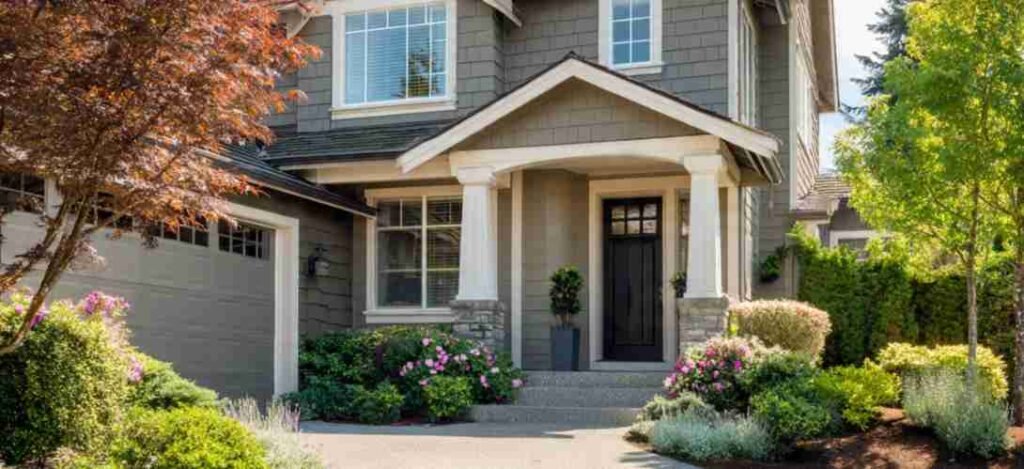
Property price is decided within minutes of viewing. Buyers create a mental budget based on risk rather than beauty. Exterior condition sets the starting price in the buyer’s mind because first impression builds trust.
People fear repairs more than price, so a well maintained older home often sells higher than a poorly maintained modern home. Buyers imagine daily life inside the house and natural light, smooth walking paths, and usable storage raise emotional attachment which increases offers.
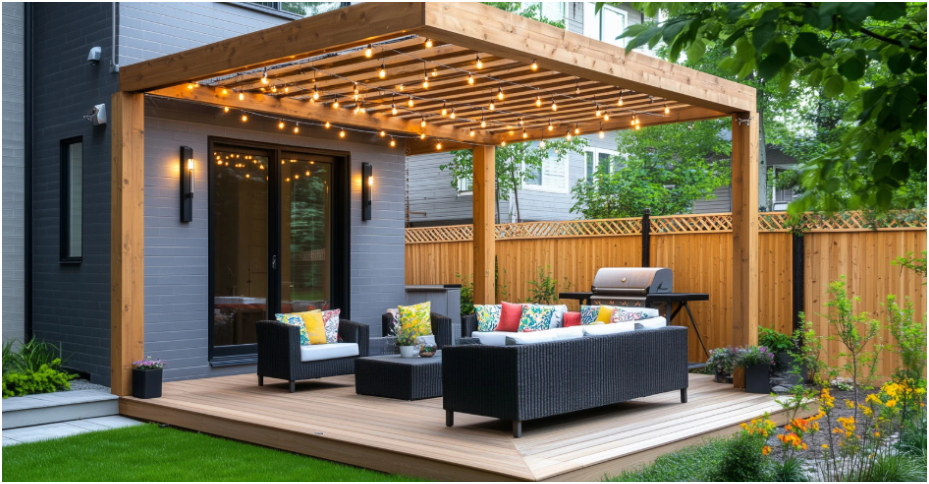
Exterior Changes That Increase Home Resale Value
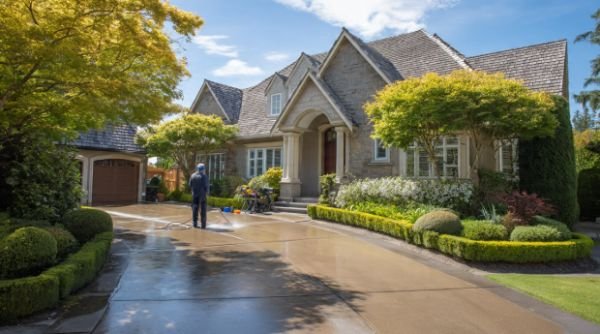
The outside creates the strongest value impact because buyers decide seriousness before entering. Clean doors, aligned handles, and visible numbers create order perception and order increases trust.
Trimmed plants and open view lines make the house feel larger and safer. Pressure washing walls and walkways removes age impression and increases perceived property age by years.
Interior Lighting Improvements
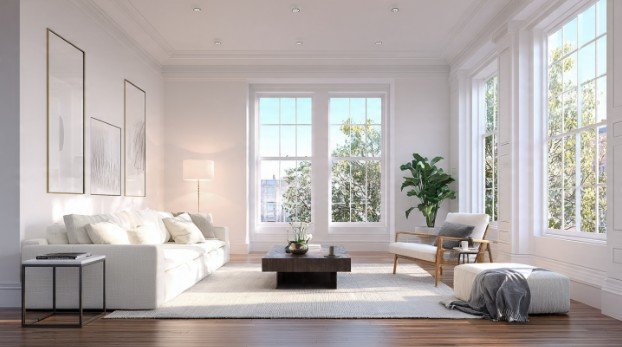
Lighting affects price more than decoration because brightness equals perceived size. Balanced white light improves clarity and freshness while heavy yellow lighting makes rooms appear smaller and older.
Using ceiling lights with corner lamps removes shadows and improves comfort perception. Removing heavy curtains increases natural brightness and perceived ventilation.
Kitchen Upgrades That Actually Add Value
Full remodels rarely recover cost because buyers prefer clean function instead of luxury design. Painting cabinets and replacing handles creates a new kitchen feel without reconstruction. Uniform appearance matters more than expensive material types.
Updated sink and faucet signal hygiene and maintenance reliability.
Bathroom Improvements Buyers Notice First
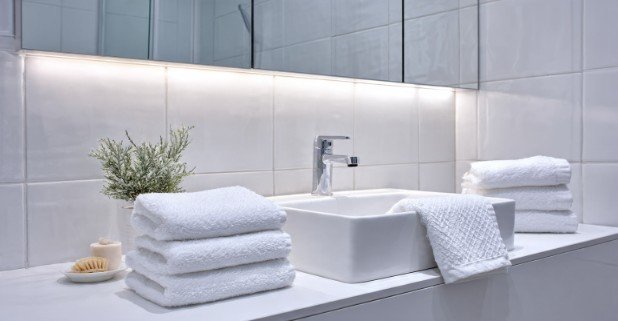
Bathrooms indicate hidden plumbing risk to buyers so clean grout lines reduce fear of leakage and mold. Bright mirrors and proper lighting make spaces feel hygienic and spacious. Matching hardware finishes create visual order and increase confidence.
Flooring Adjustments That Raise Offers
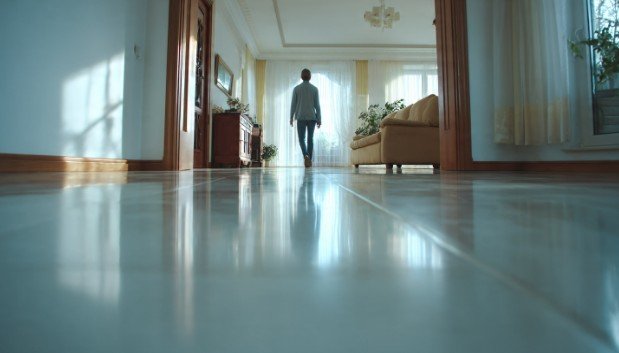
Flooring strongly influences renovation estimation in buyer psychology. Level repaired floors matter more than premium materials. Continuous flooring across rooms increases perceived size and neutral surfaces allow buyers to imagine their own furniture.
Layout Optimization and Space Perception
Space understanding increases emotional attachment. Less furniture makes rooms appear larger while clear walking paths improve usability perception. Each area should communicate a clear function so buyers mentally move in faster.
Energy Efficiency Upgrades
Efficiency improvements increase value because they reduce future expenses and make the property more comfortable to live in. Buyers often pay close attention to energy efficiency because it directly affects their monthly utility bills and long-term maintenance costs.
For example, upgrading insulation in the attic or walls helps maintain stable indoor temperatures, reducing the workload on heating and cooling systems. Replacing outdated bulbs with LED lighting reducing electricity use and costs while also signaling that the home has been modernized with efficient technology.
Improving ventilation is another upgrade that adds real value. Proper airflow reduces moisture buildup, prevents mold issues, and keeps indoor air fresh. Together, these improvements not only lower operating costs but also make the property more attractive to buyers who prioritize sustainability and long-term savings
Smart Features Buyers Appreciate
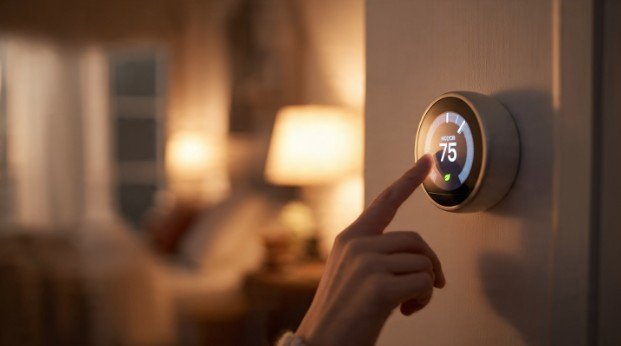
Technology does not need to be expensive to add value. Smart thermostats show energy awareness, video doorbells improve security perception, and automated lighting adds convenience without renovation cost.
Repairs That Must Be Fixed Before Selling
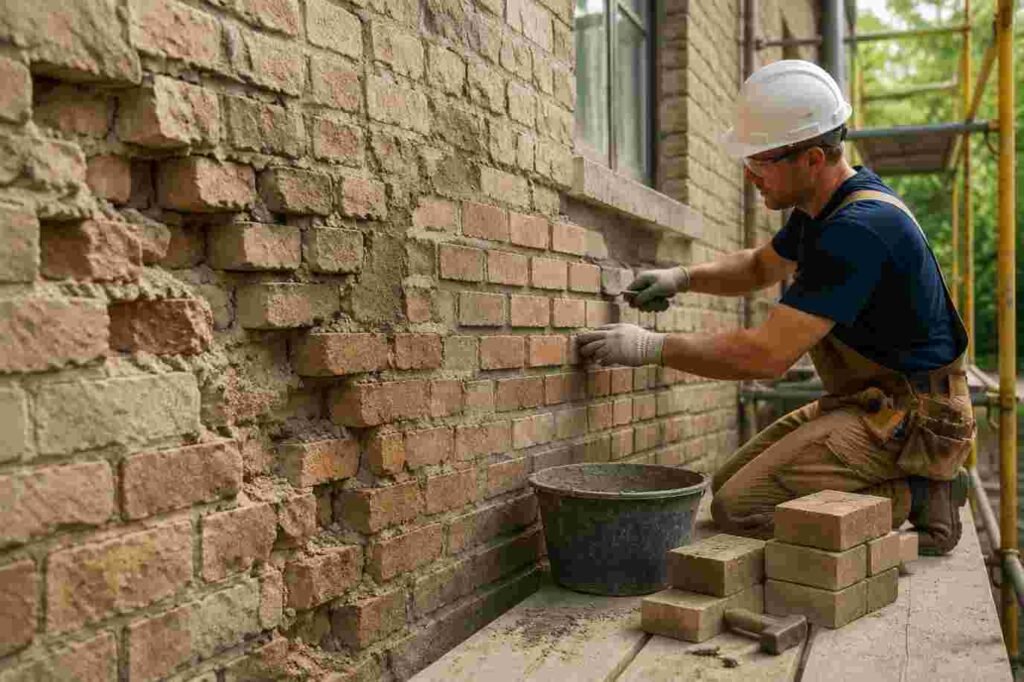
Ignoring small defects reduces offers more than repair cost. Leaks and cracks make buyers assume hidden damage, misaligned doors suggest structural issues, and broken switches reduce trust instantly.
Renovations That Do Not Increase Value
Many expensive upgrades reduce the buyer pool. Highly personalized design limits interest, luxury additions create future cost fear, and major layout changes rarely recover investment.
Pricing Psychology and Buyer Behavior
Price increases when uncertainty decreases. Clean condition reduces negotiation strength of the buyer while visible maintenance increases perceived ownership care.
Neutral design expands the buyer audience and understanding how to increase home resale value depends more on psychology than construction.
Maintenance Before Listing
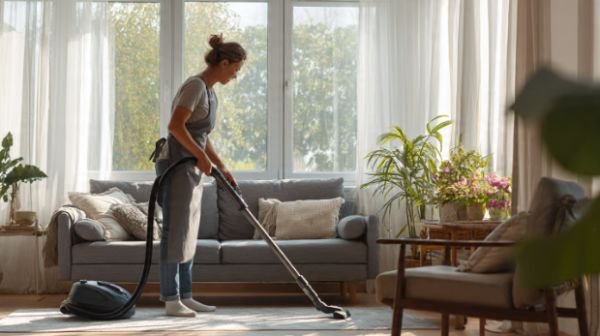
Final preparation determines final offer quality. Deep cleaning implies proper maintenance history, neutral smell increases comfort confidence, and fresh paint hides age perception, contextual and own-age effects in age perception.
Frequently Asked Questions
1. Does renovating always increase resale value?
No, only improvements that reduce buyer risk increase value.
2. What is the cheapest way to raise property price?
Cleaning, lighting improvement, and minor repairs provide the highest return.
3. Should I remodel the kitchen before selling?
Minor updates help but full remodeling rarely recovers cost.
4. Do smart devices increase value?
They improve attractiveness but mainly increase buyer interest speed.
5. Does painting help sell faster?
Yes, neutral paint increases buyer imagination and confidence.
6. Is landscaping important for price?
Yes, exterior condition strongly affects the first offer amount.
7. Should I replace the flooring?
Repairing and cleaning usually works better than replacement.
8. What matters more, decoration or maintenance?
Maintenance matters significantly more for resale value.
Increase Your Home Resale Value Smartly
Learning how to increase home resale value means reducing buyer risk rather than adding expensive features. Clean appearance, simple upgrades, and maintenance confidence raise offers more effectively than luxury renovation.
When the home feels safe, bright, and easy to live in, buyers compete instead of negotiate which creates higher selling price and faster sale.