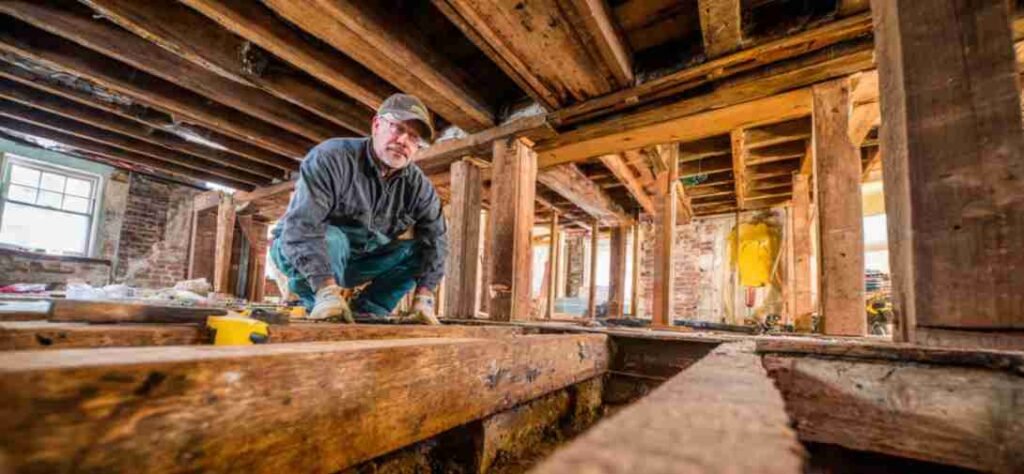
Modernizing an old house requires a balanced approach that improves comfort, efficiency, and functionality while preserving architectural charm. Many older homes feature craftsmanship, detailing, and materials that are difficult to replicate today.
Instead of removing these features, strategic upgrades allow homeowners to blend classic character with contemporary living standards. By following a structured plan that prioritizes safety, energy efficiency, layout improvements, and aesthetic updates, you can successfully transform an aging property into a modern yet timeless home.
Key Takeaways
- Start modernization with structural inspections and system upgrades before cosmetic improvements.
- Prioritize electrical, plumbing, and insulation updates to improve safety and efficiency.
- Use modern paint colors and updated lighting to refresh interiors quickly and affordably.
- Open floor plans can improve functionality, but always confirm structural safety first.
- Preserve original features like hardwood floors, crown molding, and fireplaces to maintain character.
- Smart home technology adds convenience without altering architectural charm.
Why Modernizing an Old House Requires a Strategic Approach
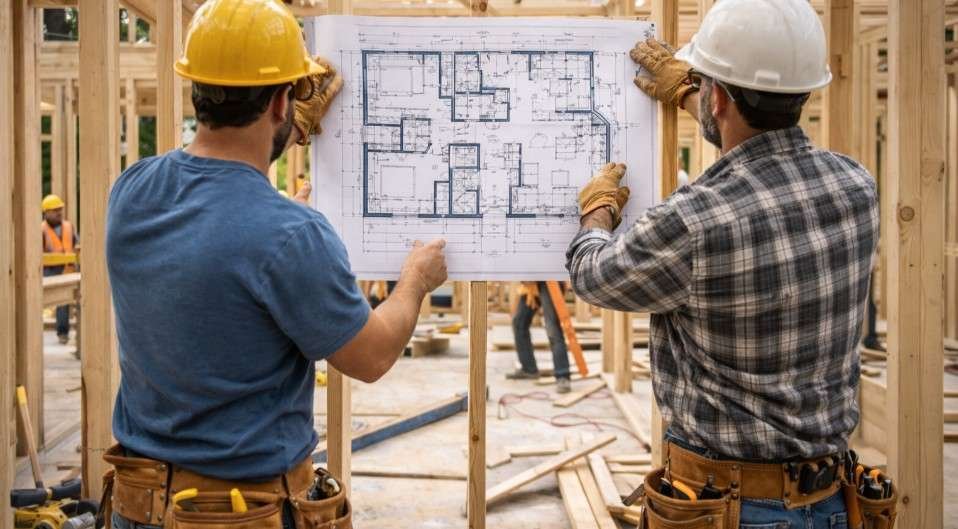
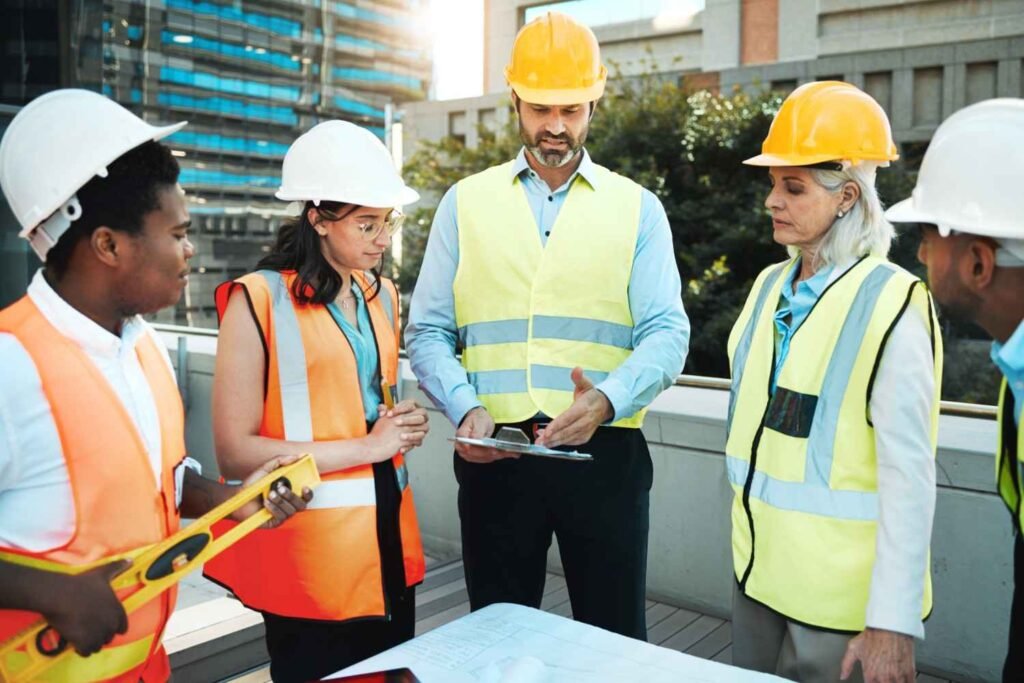
Old houses were constructed using building standards, materials, and layouts that differ significantly from modern expectations. Before making cosmetic improvements, it is important to assess the condition of structural components, electrical wiring, plumbing systems, and insulation.
A thoughtful modernization strategy typically follows a logical order: first address structural safety, then improve efficiency and comfort, followed by layout functionality, and finally complete visual upgrades.
This approach prevents costly repairs in the future and ensures long-term stability.
Step 1: Upgrade Core Systems Before Cosmetic Changes
Before focusing on visual improvements, homeowners should address foundational systems that impact safety and performance.
Inspect Structural Integrity
Begin by examining the foundation, support beams, roof structure, and flooring for signs of cracking, moisture damage, or uneven settling.
Minor settling is common in older properties, but significant cracks or sagging structures should be evaluated by a qualified professional. Ensuring structural stability provides a secure base for all future renovations.
Replace Outdated Electrical Wiring
Many homes built decades ago may contain outdated wiring systems that cannot handle modern electrical loads. Replacing old wiring improves safety, reduces fire risk, and ensures compatibility with contemporary appliances and smart home devices.
Updating the electrical panel may also be necessary to meet current code requirements.
Modernize Plumbing Systems
Aging plumbing systems, particularly galvanized steel pipes, can corrode internally and reduce water pressure over time. Replacing outdated plumbing with modern materials improves reliability and helps prevent leaks. Addressing plumbing early is especially important before renovating kitchens and bathrooms.
Improve Energy Efficiency
Adding attic insulation, sealing air leaks, upgrading to energy-efficient windows, and installing a modern HVAC system significantly enhance comfort while reduce energy consumption and cost. Improved efficiency not only lowers monthly bills but also increases property value.
Step 2: Refresh Surfaces for Immediate Visual Impact
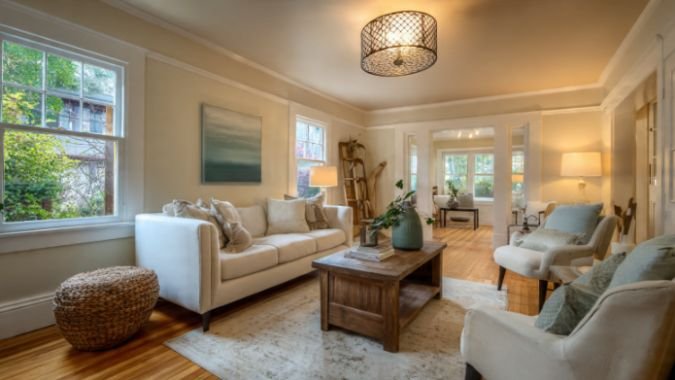
Once structural and mechanical systems are secure, updates can dramatically modernize the appearance of the home.
Apply a Modern Paint Palette
A fresh coat of paint is one of the simplest and most affordable ways to update an old interior.
Neutral shades such as warm white, soft gray, or beige create a clean foundation that complements original architectural details. Carefully selected accent colors can add personality while maintaining a cohesive look.
Upgrade Lighting Fixtures
Lighting strongly influences how a space feels. Replacing outdated fixtures with modern pendant lights, recessed lighting, or streamlined wall sconces instantly refreshes interiors. Selecting warm-toned bulbs creates an inviting atmosphere while improving overall brightness.
Update Hardware and Fixtures
Replacing cabinet handles, door hardware, faucets, and switch plates is a small investment that produces noticeable results. Choosing consistent finishes throughout the home enhances visual harmony and reinforces a modern aesthetic.
Step 3: Rethink Layout for Modern Living
Older homes were often designed with smaller, separated rooms. Modern lifestyles frequently favor open and flexible spaces that encourage interaction and natural light.
Open Up Interior Spaces
When structurally feasible, removing non-load-bearing walls between kitchens, dining rooms, and living areas improves flow and functionality. This change creates brighter spaces and enhances the sense of openness without altering the home’s exterior character.
Update Kitchens Strategically
Instead of a full demolition, consider refinishing cabinets, installing updated countertops, and adding a contemporary backsplash. Modern appliances and improved storage solutions also enhance convenience while maintaining the home’s structural integrity.
Improve Bathroom Functionality
Bathrooms can be modernized by replacing outdated vanities, installing updated fixtures, and refreshing tile surfaces. Frameless shower glass and clean-lined mirrors create a contemporary feel while preserving the room’s proportions.
Step 4: Integrate Smart Home Technology
Incorporating modern technology is an effective way to enhance convenience without altering architectural features.
Installing smart thermostats, security systems, automated lighting, and keyless entry systems increases efficiency and functionality. Wireless technology makes upgrades easier in older homes where extensive rewiring may be challenging.
Step 5: Restore and Enhance Original Features
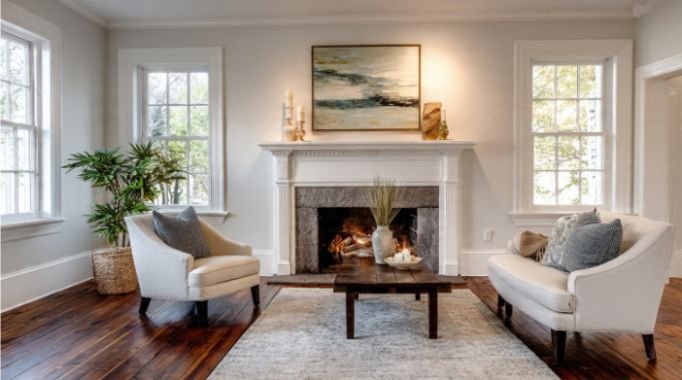
One of the most important aspects of modernizing an old house is preserving the elements that give it character. Refinishing original hardwood wood flooring restores warmth and authenticity.
Highlighting crown molding and trim with updated paint colors maintains architectural detail while adding contrast. Restoring fireplaces and decorative features allows the home to retain its historic appeal while functioning within a modern design framework.
Step 6: Improve Exterior Appeal
Exterior improvements create a strong first impression and complement interior updates. Cleaning and repainting siding refreshes the facade. Installing energy-efficient windows improves performance and enhances aesthetics.
Updating the front door, house numbers, and exterior lighting adds subtle yet impactful modern touches. Landscaping improvements, such as fresh mulch and clearly defined walkways, complete the transformation.
Budget Planning for Modernization Projects
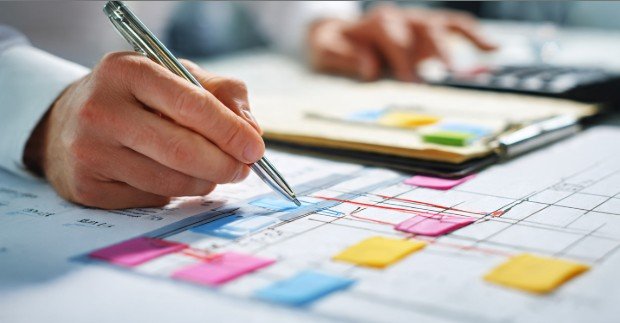
Modernization projects do not need to happen simultaneously. A phased renovation plan allows homeowners to prioritize safety upgrades first, followed by efficiency improvements and cosmetic updates.
Spreading projects over time reduces financial strain and ensures each stage receives proper attention. Careful budgeting and planning maximize long-term value.
Common Mistakes to Avoid
Avoid removing original architectural elements that contribute to the home’s charm. Skipping structural inspections before cosmetic changes can lead to expensive repairs later. Mixing too many design styles without coordination may result in a cluttered appearance.
Additionally, failing to obtain necessary permits for structural work can create legal complications.
Frequently Asked Questions
1. How to modernize an old house without removing character?
Focus on updating systems, paint, lighting, and layout while preserving original trim, floors, and architectural details.
2. Is it expensive to modernize an old house?
Costs vary widely. Minor cosmetic updates can be affordable, while structural or electrical upgrades require higher investment.
3. Should I renovate room by room?
Yes. A phased renovation approach reduces financial strain and allows better planning.
4. Can I modernize an old house myself?
Many cosmetic updates such as painting and hardware replacement are DIY-friendly. Structural and electrical work should be handled by licensed professionals.
How to Modernize an Old House
Learning how to modernize an old house is about balance. Start with structural integrity and energy efficiency. Then focus on layout improvements and aesthetic updates that align with modern living.
When you respect original craftsmanship while introducing thoughtful upgrades, your home becomes both timeless and functional.
A well-planned modernization protects your investment and creates a space that meets today’s comfort standards without sacrificing historic charm.