As someone who’s been involved in a few construction projects—ranging from small home renovations to larger commercial builds—I’ve learned that the key to a smooth and successful project is having a solid understanding of the steps in construction project design.
It’s all about knowing what to expect, staying organized, and being proactive throughout the entire process. So, whether you’re a first-time homeowner or a seasoned developer, let’s break it down together.
What Are the Steps in Construction Project Design?
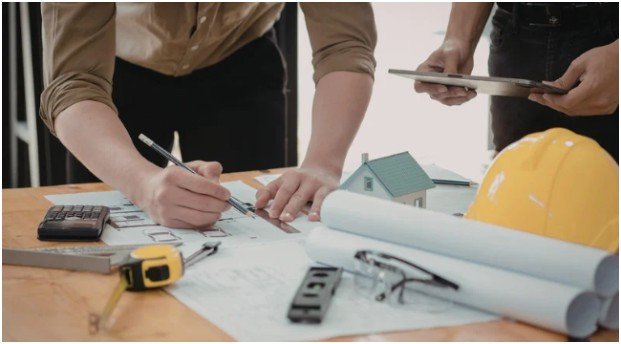
When you first think about construction projects, it’s easy to get overwhelmed. After all, the entire thing starts with a simple idea, right? But that idea has to transform by drafting the construction blueprints, specs, and permits before it can ever become a reality. That transformation takes place over a series of key steps in construction project design.
These steps ensure that all the major players—designers, architects, contractors, and you as the owner—are all on the same page, avoiding delays and costly errors. From the initial planning stages to the final building phase, here’s a breakdown of the steps in construction project design that I follow every time.
How Do You Start a Construction Project Design?
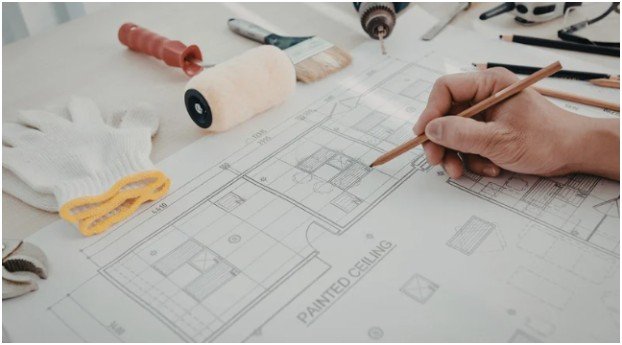
The first step in any successful project is to define your goals. Think about it like planning a road trip. You can’t get to your destination if you don’t know where you’re headed, right? The pre-design phase is the planning stage where you assess the viability of your project and determine what’s needed for success.
Feasibility Study: Is Your Idea Possible?
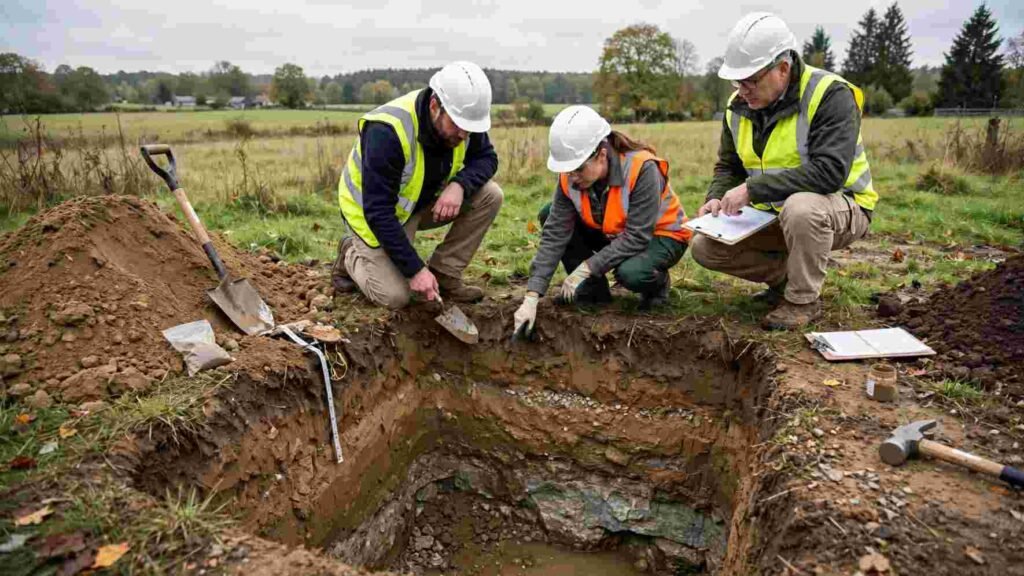
This step involves a lot of research. You’ll want to gather as much information as you can about zoning laws, environmental impact, and your location. This is where your site’s topography, climate, and legal constraints come into play. As part of my planning process, I always check local ordinances and consult with an architect to make sure my project is legally feasible.
Programming: What’s the Vision?
Now that you know what’s possible, you can start fleshing out the specifics. What exactly do you want your project to include? What are your space requirements? Whether you’re designing a residential home or a commercial office, this is the stage where you define how the space will function. I typically create a list of “must-haves” and “nice-to-haves” and use that to help guide my design team.
What Happens During the Schematic Design Phase?
Once you’ve defined your needs and gathered all the necessary information, it’s time to get creative. Schematic Design (SD) is where the fun really begins! During this phase, your architect and design team will take your ideas and start putting them on paper.
Creating the Conceptual Design
At this point, you’ll receive conceptual sketches that outline the basic layout of your building. This includes rough floor plans, elevations, and even some early ideas about the building’s exterior and structural components.
Feedback Loop: Time to Adjust
One of the things I’ve learned is that early feedback is crucial. If there’s something you don’t like or a design doesn’t fit your vision, this is the best time to make changes. After all, the earlier in the process you address issues, the less expensive and disruptive they are.
How Do You Refine the Design in the Development Phase?
Now that you’ve seen the basic design, it’s time to refine it. This phase is where all the technical details come into play. The design is becoming more real, and that’s when I typically start working closely with engineers and contractors to ensure that everything aligns.
System Integration and Material Selection
In this stage, structural engineers, electrical engineers, and HVAC contractors get involved to make sure their systems are aligned with the architectural design. This is also the time when I make final decisions about materials, finishes, and other design elements. Whether you’re choosing sustainable materials or cost-effective options, every detail matters in this phase.
Cost Estimation: How Much Will It Cost?
I always find that cost estimating during this stage helps avoid any major financial surprises later on. A detailed cost estimate ensures that everything is on track budget-wise, so I can make any necessary adjustments to avoid going over budget. This stage gives you a solid idea of what the final cost will look like and whether any trade-offs are necessary.
What Are Construction Documents (CD)?
At this point, the design is nearly complete, and it’s time for the Construction Documents (CD) phase. This is where the final, most detailed design is produced.
Blueprints & Specs: Getting Ready to Build
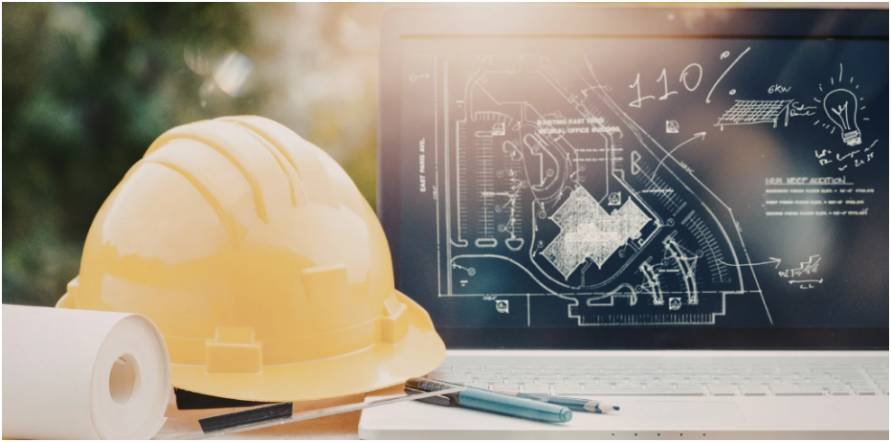
This is the final package that your contractor will use to begin construction. These documents include the “working drawings” and technical specifications that outline how every part of the project should be built. It’s essentially the blueprint for turning ideas into a physical structure.
Permit Submission: Official Approval
Before breaking ground, these documents need to be submitted to the local authorities for approval. This ensures that the design meets building codes and regulations. It’s at this stage that I always double-check the paperwork and make sure nothing’s missing so that we can get started without delays.
How Do You Choose a Contractor and Begin Construction?
The final step before you start building is the Bidding & Procurement phase. This is where contractors submit their bids based on the final design documents.
Soliciting Bids: Finding the Right Team
At this point, I typically solicit bids from contractors, ensuring that they have the experience and qualifications for the job. The competitive bidding process allows me to compare different prices and choose the contractor who offers the best value for the job.
Contract Award and Construction Begins
Once the bids are in and a contractor is selected, the real work begins! During this phase, I always stay in regular communication with my contractors and the design team to ensure everything proceeds smoothly and on schedule.
How to Manage a Construction Project Design?
Managing a construction project can feel like juggling multiple balls at once. From coordinating with different contractors to staying on top of budgets, here’s a step-by-step guide to help you stay on track:
Step 1: Create a Detailed Timeline
Start by creating a clear timeline that outlines when each phase of the design and construction will be completed. This will help you stay organized and ensure the project is on schedule.
Step 2: Hire a Reliable Team
Choose a contractor and design team that has a proven track record of delivering quality work on time and within budget. Trust is key, so make sure you’ve vetted your team thoroughly before signing anything.
Step 3: Monitor the Project Regularly
Stay involved in the process by checking in regularly with your team. Regular site visits and project updates will keep everything moving along smoothly and help you catch potential problems early.
FAQ: Common Questions About Construction Project Design
Q1: What’s the most important phase of the construction project design?
A1: The pre-design phase is key because it sets the foundation for everything that follows. If your goals and expectations aren’t clearly defined at the beginning, it can lead to confusion and delays down the road.
Q2: How long does the design process take?
A2: The design process can take anywhere from a few weeks to several months, depending on the complexity of the project. For simple renovations, it might take a couple of months, but larger builds like hospitals or office buildings can take longer.
Q3: How do I stay within my budget during the design process?
A3: Regular cost estimations and clear communication with your contractor are essential. It’s important to stay within the budget by making decisions early on that align with your financial goals and project needs.
Creative Conclusion: Wrapping It All Up
Now that you’ve got the scoop on the steps in construction project design, you’re ready to take on your next project with confidence.
Yes, it may seem like a lot to juggle, but by following these steps and staying organized, you’ll find that construction design doesn’t have to be overwhelming.
So, grab your blueprint, gather your team, and get ready to watch your ideas come to life!
Key Takeaways:
- Understand the importance of each design phase, from pre-design to construction.
- Stay on top of costs and timelines by getting early involvement from all parties.
- Always communicate and be proactive—keeping everyone aligned ensures a smoother process.