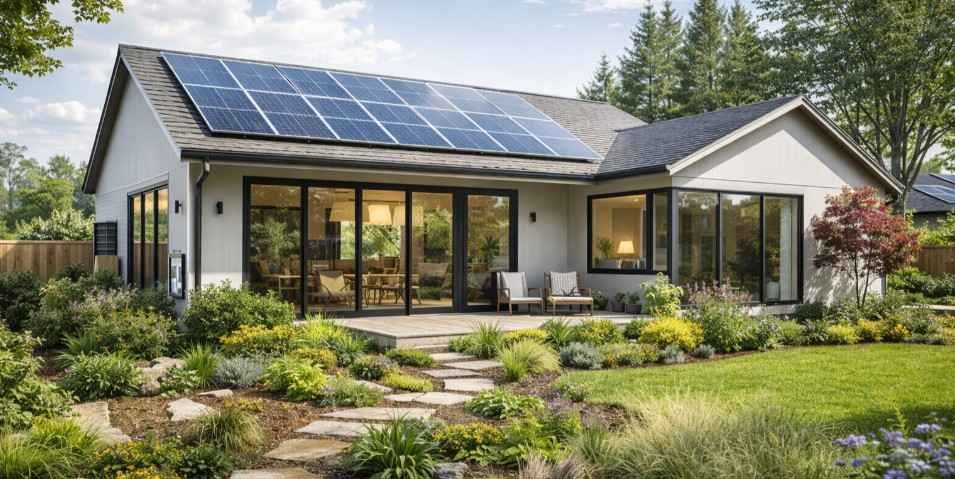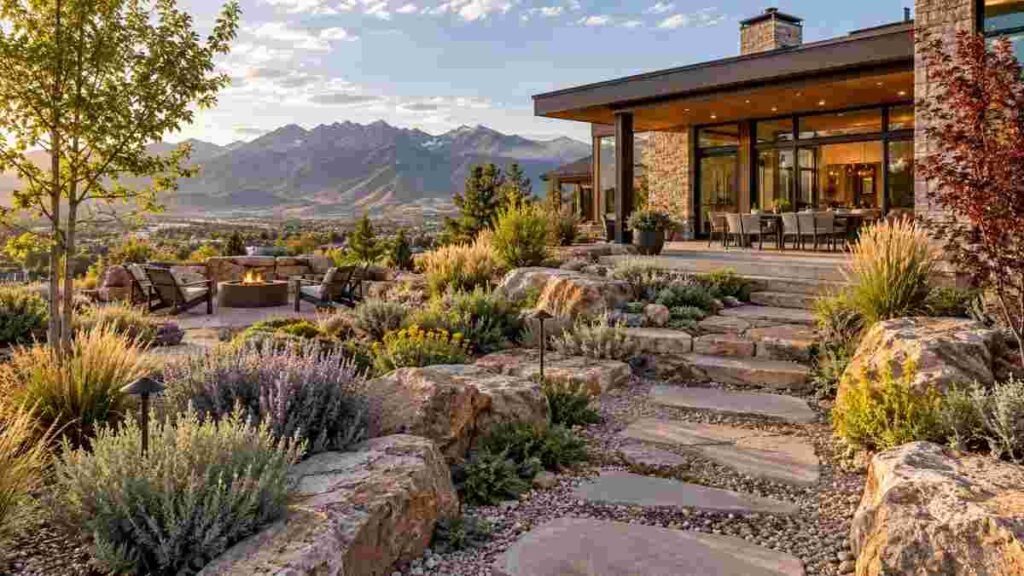
When I decided to build my dream home, I knew one thing for sure — I wanted it to be as eco-friendly as possible. We all know that traditional construction methods can leave a massive carbon footprint, so why not make a change for the better?
As I started researching, I came across the wonderful world of green building materials for homes. These materials not only reduce waste and environmental impact but also help lower energy costs.
Let me walk you through my experience, the eco-friendly options I discovered, and how they transformed my home into a sustainable haven.
What Exactly Are Green Building Materials?
At first, I was overwhelmed by all the options available, but once I understood the basics, things clicked and the benefits of sustainable construction. Green building materials are designed with sustainability in mind. They focus on renewable resources, recycled content, and energy efficiency.
These materials aim to minimize environmental harm throughout their lifecycle, from production to disposal. But beyond that, they can make your home healthier, reduce energy bills, and, of course, contribute to a cleaner planet. I was all in!
Why Should You Choose Green Building Materials for Your Home?
In case you’re wondering why you should even consider switching to green materials, here’s the lowdown. Not only do green building materials help preserve our natural resources, but they can also significantly reduce the energy required to maintain your home.
Think about it — you’re using renewable resources, cutting down on waste, and reducing your carbon footprint all at once. Plus, with long-lasting materials, you’ll spend less on replacements and repairs in the long run.
Here’s a quick breakdown of why it’s a good idea:
- Sustainability: Materials like bamboo and cork are rapidly renewable, meaning they can be replenished in a short amount of time.
- Energy Efficiency: Insulation options like cellulose or sheep’s wool can keep your home cozy and your energy bills low.
- Durability: Many green materials, such as metal roofing or reclaimed wood, can last for decades with minimal maintenance.
How Can You Incorporate Green Building Materials Into Your Home?
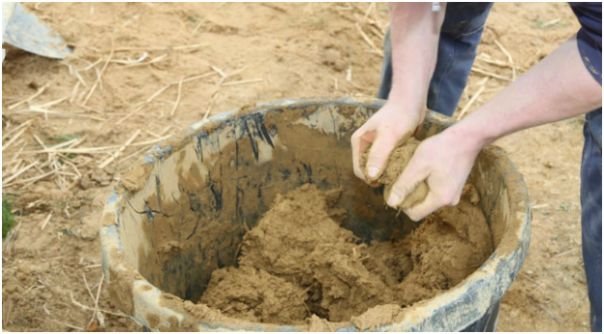
Now, onto the fun part! Here are a few ways I transformed my home using green building materials. The best part? I was able to blend these eco-friendly solutions with my existing style, and they actually improved my living experience.
1. Natural, Renewable Materials for Flooring
One of the first changes I made was to my flooring. I knew I wanted something that was both sustainable and stylish. After a lot of research, I decided to go with bamboo flooring. Bamboo is a rapidly renewable resource that is not only beautiful but also durable and moisture-resistant.
Plus, it’s incredibly easy to maintain. Bamboo floors are so much harder than traditional hardwoods, and it gives my living space a natural, earthy vibe that I adore.
If bamboo isn’t your thing, cork flooring is another great option. It’s harvested from the bark of cork oak trees without harming the tree, making it biodegradable and sustainable. It’s soft, warm, and has excellent sound and thermal insulation — perfect for my bedroom and kitchen.
2. Energy-Efficient Insulation and Roofing
When it came to insulation and roofing, I didn’t want to skimp on energy efficiency. I chose metal roofing, which is 100% recyclable and made from a large percentage of recycled content. Metal roofs reflect solar heat, which helped me lower my cooling costs by about 25%. Talk about an energy saver!
Additionally, I added some extra insulation made from sheep’s wool to the attic. It bonds with harmful chemicals in the air, filtering them out while keeping my home warm in the winter and cool in the summer. If you haven’t considered wool insulation, it’s a game-changer.
3. Sustainable Stone and Reclaimed Materials
For my outdoor patio, I went with reclaimed wood and recycled rubber shingles. Reclaimed wood is not only environmentally friendly but also adds a touch of rustic charm to the space. I love that it has a history and a story behind it.
The recycled rubber shingles, made from old tires, were perfect for the outdoor play area for my kids. They’re durable, weather-resistant, and give the area a sleek, modern look.
How-To: Creating a Green Roof with Living Plants
One of the most innovative changes I made was installing a green (living) roof. This wasn’t just about aesthetics — it was a practical choice to help reduce my cooling costs. Here’s how I did it:
Step 1: Plan Your Green Roof Layout
I started by selecting the best location on the roof for my garden. I made sure the space would be able to support the weight of the plants and the waterproof membrane.
Step 2: Install the Waterproof Membrane
I applied a waterproof layer to protect the roof from water damage. This also ensures that the plants don’t damage the underlying structure over time.
Step 3: Add Soil and Vegetation
Once the membrane was in place, I added a lightweight growing medium to support plant growth. I chose low-maintenance plants like succulents and grasses that are well-suited to my climate.
Step 4: Water and Maintain
I installed a drip irrigation system to keep the plants hydrated and rain water harvesting system. With a little attention, my green roof flourished, reducing the temperature inside my home and lowering my energy bills.
FAQ: Common Questions About Green Building Materials for Homes
Q1: Are green building materials more expensive?
While some eco-friendly materials may have a higher upfront cost, many of them save you money in the long run. Energy-efficient materials can lower your heating and cooling bills, and durable materials like metal roofing can last for decades without needing replacements.
Q2: Can green building materials be used in any type of home?
Absolutely! Whether you’re building a new home or renovating an existing one, there are green building options available for every style and budget. You can integrate eco-friendly materials into your flooring, insulation, roofing, and even landscaping.
Q3: How do I know if a material is truly eco-friendly?
Look for certifications like FSC (Forest Stewardship Council) for wood products or Energy Star ratings for appliances and insulation. Always research the company’s sustainability practices before making a purchase.
Ready to Build Your Eco-Friendly Dream Home?
Green building materials for homes are not just a trend — they’re a lifestyle. By choosing sustainable, durable, and energy-efficient options, you’re not only creating a beautiful space but also contributing to a healthier planet.
And trust me, the payoff is worth it. Your home will be more comfortable, eco-friendly, and cost-effective in the long run.
Key Takeaways
- Green building materials are sustainable, energy-efficient, and contribute to a healthier indoor environment.
- Bamboo and cork flooring, recycled rubber shingles, and metal roofing are great eco-friendly choices.
- Implementing a living roof can significantly reduce energy costs and enhance your home’s aesthetic.
- Though they can be pricier upfront, these materials save money over time by lowering energy bills and requiring fewer replacements.
Remember, small changes add up. Whether you’re renovating or starting from scratch, choosing green building materials is a step toward a greener future. Go ahead — make your home as sustainable as it is beautiful!