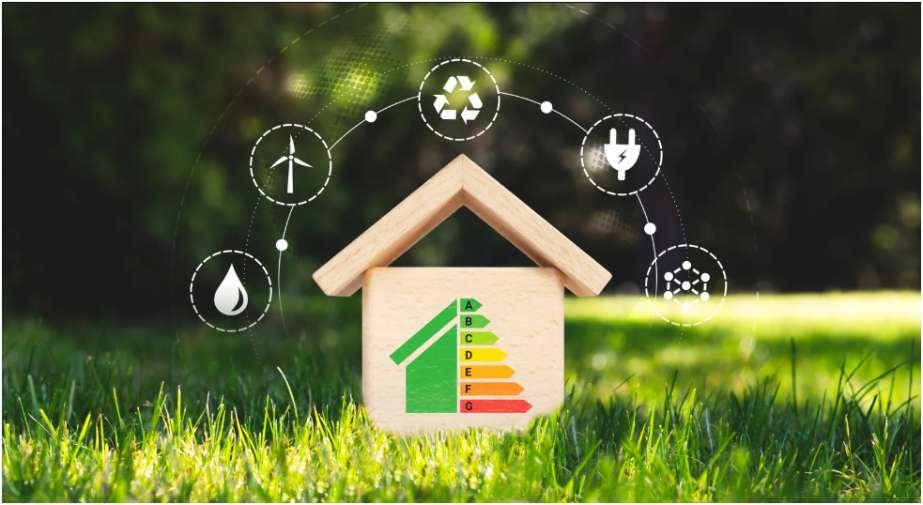
When I started researching energy efficient home upgrades, I didn’t do it because I wanted to “go green.” I did it because my utility bills annoyed me every single month.
One summer, my AC ran nonstop. One winter, my heating bill shocked me into action. I realized I didn’t have an energy problem — I had a house problem.
So I changed my strategy. Instead of chasing shiny gadgets, I focused on upgrades that delivered real savings, better comfort, and long-term property value. Here’s what actually worked for me.
Why Did I Start With the “Building Envelope First” Approach?
I used to think a new HVAC system would solve everything. It wouldn’t.
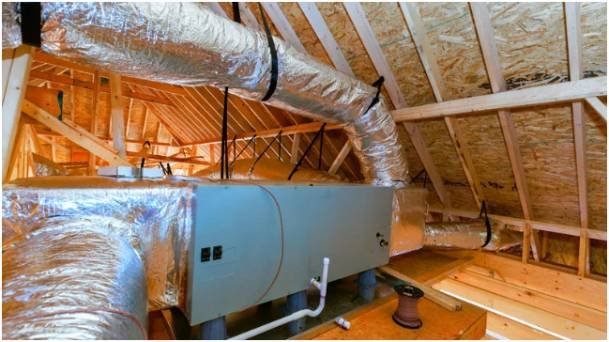
Before replacing anything expensive, I sealed and insulated my home. That single shift made the biggest difference such as use of green building materials for homes.
Air leaks around windows, doors, attic hatches, plumbing penetrations, and recessed lights allow conditioned air to escape. When I sealed those gaps and upgraded attic insulation, my home felt more stable within days. My HVAC system didn’t run as often, and rooms stayed consistent in temperature.
Energy experts often report up to 20% heating and cooling savings from air sealing and insulation alone. I didn’t measure exactly 20%, but I saw a noticeable drop in my bills and a major boost in comfort.
That’s when I realized: insulation isn’t glamorous, but it works.
Are Smart Thermostats Actually Worth It?
I hesitated before buying a smart thermostat. I didn’t want another device that promised savings and delivered confusion.
But once I installed it, I understood why so many homeowners swear by it.
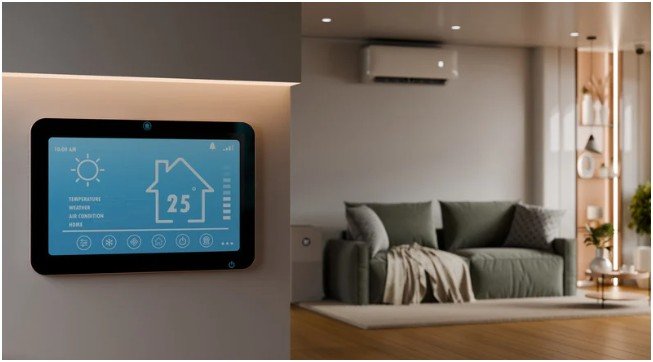
My thermostat learned my schedule within weeks. It adjusted temperatures when I left the house and optimized cooling before I returned. I stopped arguing with the thermostat and let it do its job.
Studies show smart thermostats can reduce energy use by 10–23%. Mine paid for itself in under two years. More importantly, I stopped thinking about temperature control. It became automatic.
Convenience matters. If an upgrade saves money and reduces mental effort by avoiding renovation mistakes, I call that a win.
Should You Switch to Heat Pumps?
Heat pumps sound complicated, but they changed how I think about heating and cooling.
An air-source heat pump moves heat instead of generating it. That makes it incredibly efficient — often 300–400% efficient compared to traditional systems.
When I upgraded my HVAC to a heat pump, I noticed quieter operation, steady airflow, and lower monthly energy costs. It heats in winter and cools in summer, so I eliminated separate systems.
Heat pump water heaters also impressed me. They use 2–3 times less energy than standard electric tanks. For a typical family, that can mean around $550 in annual savings.
If you want an upgrade that boosts resale value and reduces long-term operating costs, heat pumps deserve serious attention.
Do Windows and Solar Panels Deliver Real ROI?
Windows tempt homeowners. I considered full window replacement early on.
But I did the math.
Double-pane windows with low-E coatings reduce energy loss by 30–50%. However, the payback period often stretches long. If your windows function well, you may see better returns from air sealing first. When replacement makes sense, I view it as a comfort and resale upgrade, not just an energy play.
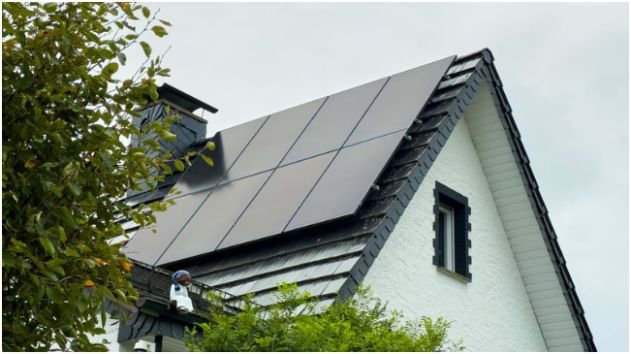
Solar panels tell a different story. They require high upfront investment, but they can increase home value by about 4% and drastically reduce or eliminate electricity bills.
For me, solar became a long-term decision. I evaluated roof condition, local incentives, and net metering policies before moving forward.
Big upgrades demand clear math and long-term thinking.
What Quick Fixes Gave Me Immediate Wins?
Not every improvement requires contractors.
I installed smart power strips to stop “vampire power” from electronics. TVs, consoles, and chargers quietly consume electricity even when turned off. Smart strips shut them down automatically.
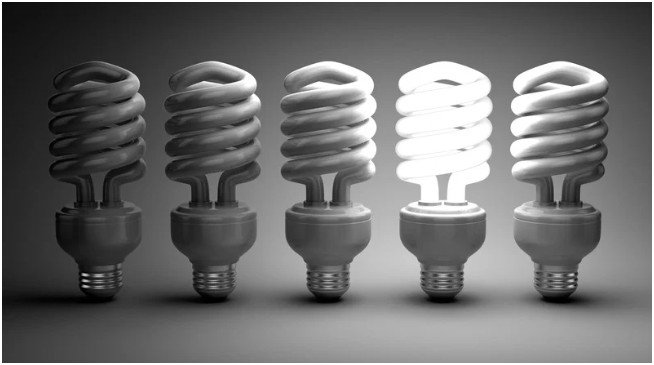
I swapped incandescent bulbs for LEDs. That single change reduced lighting energy use by up to 75–90%. LEDs last longer, generate less heat, and save money monthly.
I replaced showerheads with low-flow models and added faucet aerators. That cut hot water usage, which reduced water heating costs.
Small habits matter too. I clean refrigerator coils annually. I replace HVAC filters every three months. Maintenance protects efficiency.
Energy savings compound when you stay consistent.
How-To: My Step-by-Step Strategy for Energy Efficient Home Upgrades
First, I scheduled a home energy audit. That gave me data instead of guesses. I identified air leaks, insulation gaps, and system inefficiencies.
Second, I sealed and insulated. I used weatherstripping, caulk, and attic insulation upgrades before replacing major equipment.
Third, I upgraded controls. I installed a smart thermostat and smart power strips. Those tools immediately optimized daily energy use.
Fourth, I evaluated big systems. I considered heat pump HVAC and water heating once I tightened the building envelope.
Fifth, I researched incentives. The federal Energy Efficient Home Improvement Credit offers up to $3,200 annually for qualifying upgrades like insulation, doors, and heat pumps. I made sure every eligible project qualified before scheduling installation.
That sequence protected my budget and maximized ROI.
What Kind of Savings Can You Expect?
Here’s a simple comparison from my experience and national averages:
| Upgrade Type | Estimated Savings/Benefit |
| Air sealing & insulation | Up to 20% HVAC cost reduction |
| Smart thermostat | 10–23% energy savings |
| Heat pump HVAC | 300–400% efficiency, +4–7% resale value |
| Heat pump water heater | ~$550 annual savings (family of four) |
| LED lighting | 75–90% lighting energy reduction |
| Solar panels | Up to 4% home value increase |
When I stack those together, I see lower bills, stronger resale value, and better daily comfort.
Key Takeaways
Energy efficient home upgrades work best when you start with sealing and insulation.
Smart thermostats and maintenance habits deliver fast payback.
Heat pumps offer major efficiency gains and long-term value.
Quick fixes add up faster than you think.
Federal tax credits can significantly reduce upfront costs.
What’s the Smartest Upgrade to Start With?
If you want maximum ROI, start with air sealing and insulation.
These upgrades cost less than full system replacements and often deliver noticeable savings immediately. They reduce strain on HVAC systems and improve comfort across seasons.
When you tighten your home first, every future upgrade performs better.
How Much Should I Budget for Energy Efficient Home Upgrades?
Costs vary widely depending on home size, climate, and project scope.
Air sealing and insulation usually cost less than full HVAC replacement. Heat pumps and solar require higher upfront investment but offer long-term savings and possible tax credits.
I recommend planning upgrades in phases. Spread projects over multiple years to maximize federal credits and avoid financial strain.
Do Energy Efficient Home Upgrades Increase Home Value?
Yes, they often do.
Buyers value lower utility bills, modern systems, and documented improvements. Heat pumps and solar panels frequently increase resale value. Even insulation and air sealing add appeal when you provide proof of reduced energy costs.
I keep a folder with receipts, audit reports, and utility bill comparisons. That documentation strengthens negotiating power.
What’s the Biggest Mistake Homeowners Make?
Many homeowners replace HVAC systems before sealing leaks.
That decision oversizes equipment and wastes money. When conditioned air escapes through gaps, even a brand-new system struggles.
Fix the envelope first. Then upgrade equipment.
Frequently Asked Questions
1. How long does it take to see savings from energy efficient home upgrades?
You’ll see savings from LEDs and smart thermostats within one billing cycle, while bigger upgrades like heat pumps and solar take longer but deliver steady long-term returns.
2. Do I need a home energy audit before making upgrades?
Yes — an audit shows exactly where your home wastes energy so you spend money in the right places first.
3. Are federal tax credits really worth the effort?
Absolutely — federal credits can reduce upfront costs by thousands and significantly shorten your payback period.
4. Should I replace windows to lower my energy bills?
Only if they’re failing; air sealing and insulation usually deliver faster and better ROI than full window replacement.
Bills Down, Comfort Up — And I Sleep Better at Night
When I look back, I realize I didn’t just lower my bills. I changed how my house performs every day.
Rooms stay consistent. Systems run quieter. Utility statements no longer surprise me.
Energy efficient home upgrades transformed my house from reactive to intentional. I treat efficiency like a routine, not a one-time project.
If you start small and follow the right sequence, your home will reward you month after month.
And here’s my personal tip: track your utility bills before and after each upgrade. Watching the numbers drop feels incredibly satisfying.